Daily news digest February 5
Indigenous news highlights for February 5 include significant legislative developments for child protection, legal challenges to land sales, and ongoing scrutiny of the Closing the Gap progress.
National Legislative & Policy News
National Commissioner for First Nations Children:
The federal government has moved to legislate the role of the National Commissioner for Aboriginal and Torres Strait Islander Children and Young People. This new law aims to provide the Commissioner with statutory powers and guaranteed funding to advocate for the rights and safety of Indigenous youth.
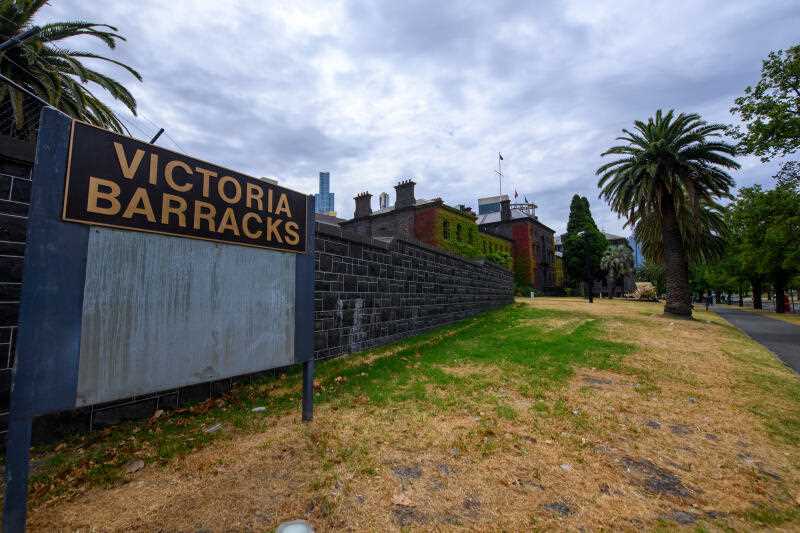
Defence Land Sell-off Backlash:
Independent Senator Lidia Thorpe has formally condemned a proposed $3 billion Federal sell-off of Department of Defence land. She argues the divestment must not proceed without the “free, prior and informed consent” of Traditional Owners, characterising the move as potential “colonial theft” of stolen land. High-value sites earmarked for sale include Victoria Barracks in Sydney, Melbourne, and Brisbane, as well as Leeuwin Barracks in Fremantle and Spectacle Island in Sydney Harbour.
Closing the Gap Education Audit:
A new ANAO audit released today highlights reporting gaps that are stalling progress on Closing the Gap education targets. The report suggests that while some areas are improving, there is a lack of transparency regarding how federal funding reaches Aboriginal community-controlled organisations.
Regional & Legal News
NT Housing Rights:
Land Councils and legal experts in the Northern Territory have united against the Territory government’s proposed changes to the Remote Rent Framework. The groups allege the plan strips tenants of their right to be heard and contradicts Closing the Gap commitments.
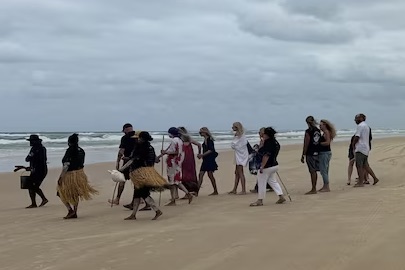
Community & Culture
Smoking Ceremony on K’gari:
Traditional owners on K’gari (Fraser Island) held a smoking ceremony for Piper James, a young woman who died on the island last month, to provide her spirit safe passage home.
Curriculum Debates:
Tensions have surfaced in the education sector regarding the use of Indigenous slogans in classrooms. Some teachers advocate for them as a sign of cultural respect, while others argue they may align too closely with political activism.