Cultural concerns over data centre plan near Mandoon Bilya
Aboriginal leaders and community groups have intensified opposition to a planned hyperscale data centre in Boorloo / Perth’s east, warning it could jeopardise the culturally significant Mandoon Bilya and set a precedent for future infrastructure on sensitive lands.
The proposed facility is slated for Hazelmere in the City of Swan, near Mandoon Bilya, the Noongar name for the Helena River. The site has deep cultural and environmental significance to local Aboriginal communities.
Key Points
- Proposed Hazelmere hyperscale data centre faces intensifying community opposition
- Aboriginal leaders say site threatens culturally significant Mandoon Bilya
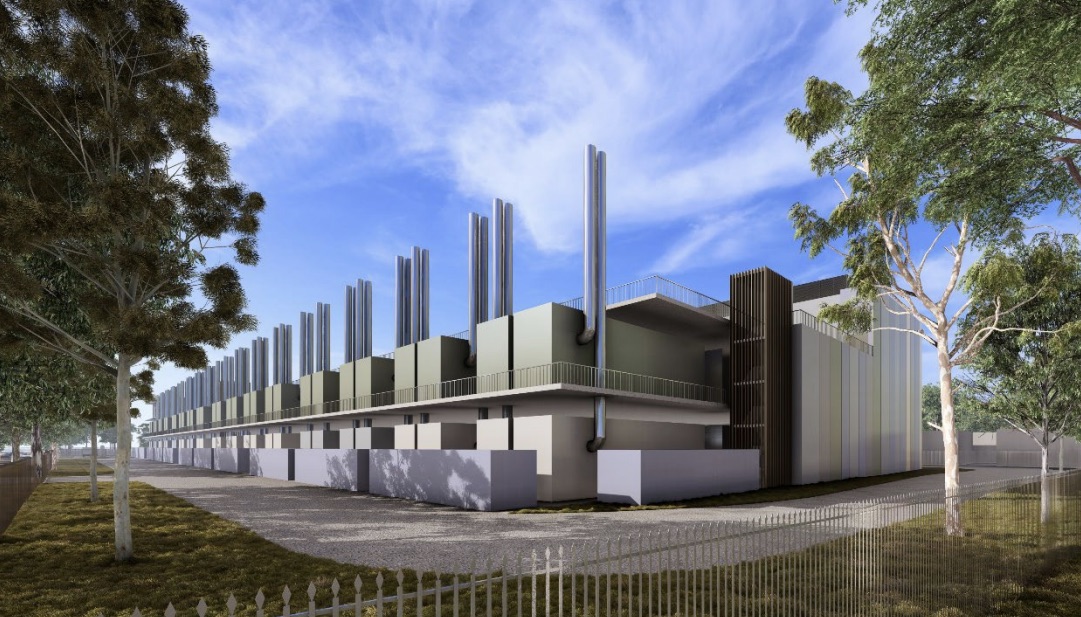
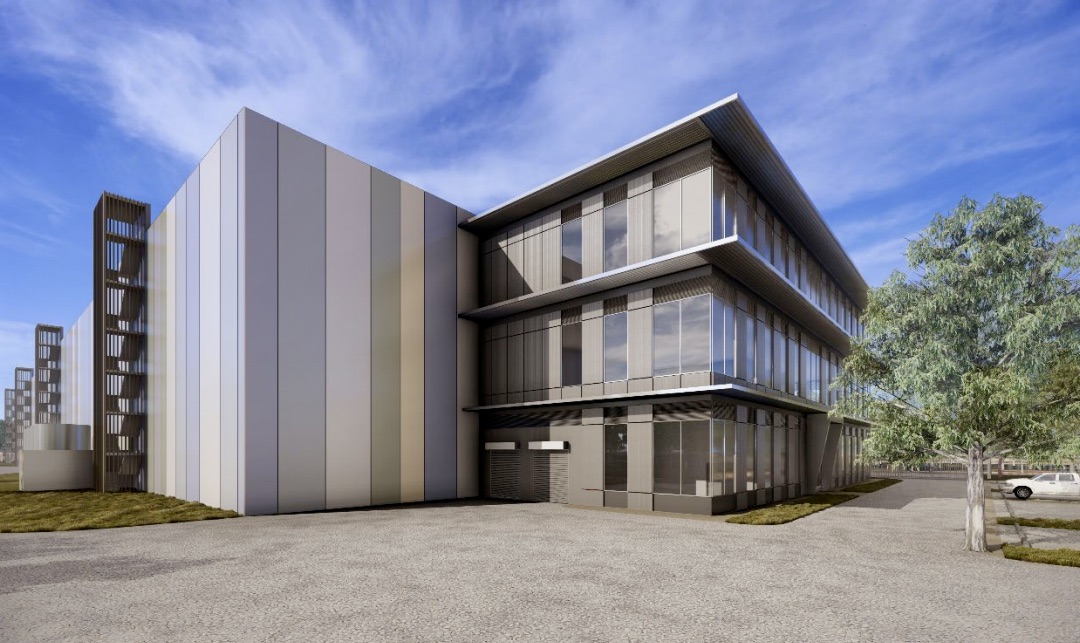
- Plans outline a 23m-tall, 120MW facility with dozens of cooling units
- Concerns include proximity to river, wetland, school and native plant nursery
- Campaign argues inadequate consultation with Aboriginal stakeholders to date
- Opponents call for alternative sites within Hazelmere industrial precinct
- City of Swan is assessing the proposal and has been contacted for comment
Plans indicate the development could become WA’s biggest data centre, with a 23m-tall build and a 120-megawatt operation designed to run continuously via dozens of cooling units. Opponents say this intensity would be incompatible with the river corridor and surrounding landscape.
Cultural and environmental concerns
Community representatives have warned that industrial development along the river corridor risks damaging an area recognised for longstanding cultural connection. Aboriginal organisations argue that the project’s location places heritage at risk and conflicts with the river’s role as both an ecological asset and a place of enduring cultural significance.
Concerns extend to the immediate environment. The campaign highlights potential impacts on a conservation-category wetland, the Helena River Waldorf School, and Trillion Trees Australia’s major native plant nursery, all in the vicinity of the proposed site. Residents have also raised issues about continuous noise, heat output and increased resource demand should the development proceed.
The project’s proximity to Mandoon Bilya has been singled out as a key risk, with some estimates placing the build within 40m of the waterway. Community members say this could affect the river’s floodplain and surrounding ecosystems, and urge planners to avoid encroachment on culturally and environmentally sensitive land.
Campaign mobilisation
Opposition has coalesced under the ‘Save Mandoon Bilya’ campaign, bringing together Aboriginal organisations, environmental groups, a local school and residents. The Bibbul Ngarma Aboriginal Association is among those leading calls for the proposal to be reconsidered.
While campaigners acknowledge the importance of data centres and AI infrastructure, they argue the proposed site is fundamentally inappropriate. They have urged decision-makers to consider alternative locations within Hazelmere’s established industrial precinct, stating these would be better suited to large-scale operations without impacting the river corridor.
“The proposed data centre is in the wrong location because it places a large, 24/7, utility-scale facility in a highly sensitive setting,” Marilena Stimpfl, Chair of the Lower Helena Association said.
“The site is within 40 metres of the Helena River and directly adjacent to a school, where impacts from noise, heat, and potential water use are amplified. The proposal relies on major infrastructure that is not yet available, including high-voltage power and water services.
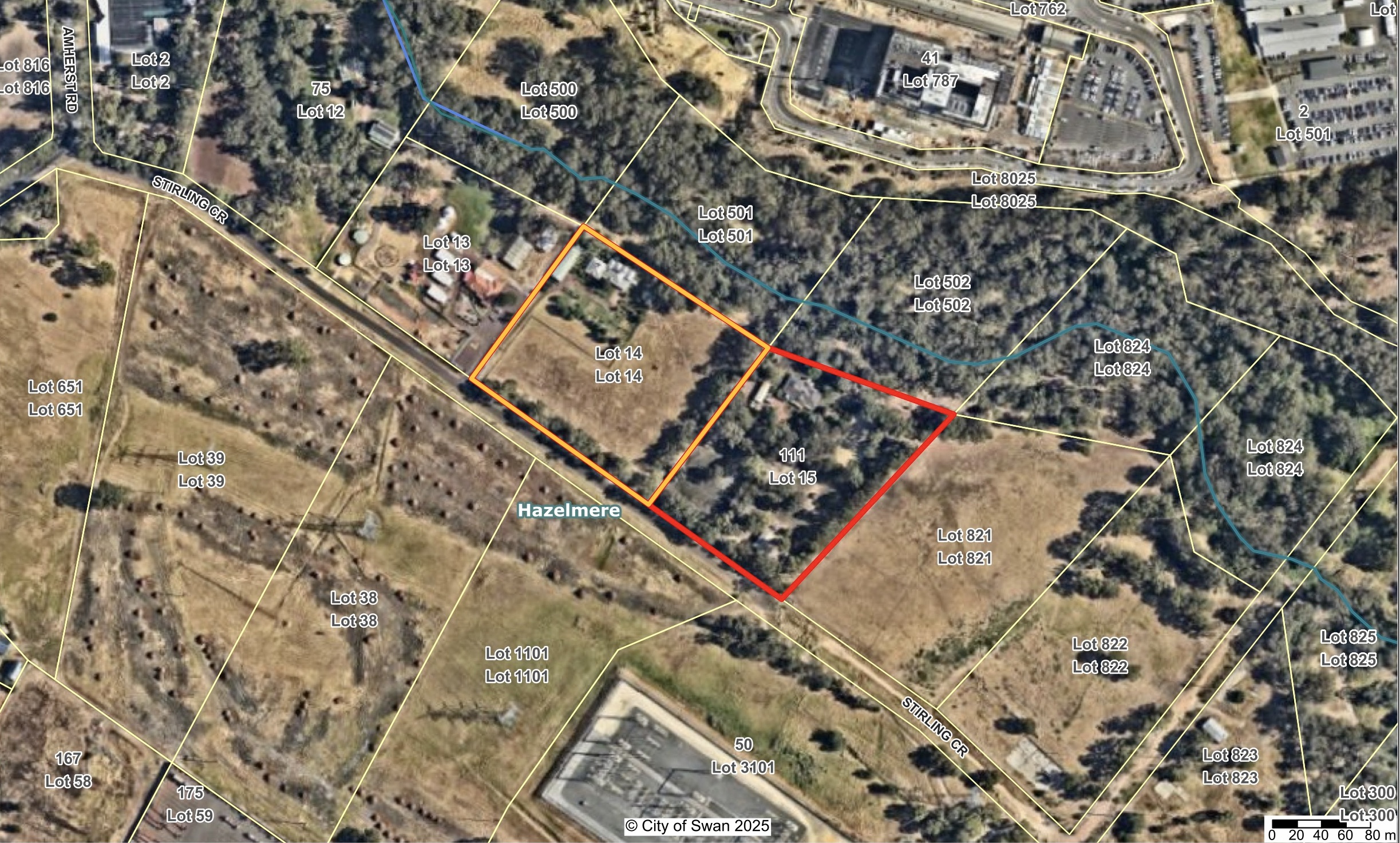
The site of the proposed data centre.
“It is also not consistent with the intent of light industrial zoning. This type of hyperscale development belongs in fully serviced industrial areas, not in a river corridor with surrounding community and environmental constraints.”
Trillion Trees Australia fundraising coordinator, Kate Herren, said the proposal reflected a broader failure to adequately consider Aboriginal heritage in planning decisions.
She emphasised the cultural significance of the river system and warned that placing a large industrial project in such a sensitive location “raises serious concerns about how Aboriginal heritage is being valued and protected.”
The campaign has also criticised what it describes as a lack of proper consultation with Aboriginal stakeholders. It is calling for more meaningful engagement consistent with policy settings referenced by the federal government.
Local impacts
Residents near the proposed location have raised specific concerns tied to daily amenity and environmental health. These include:
- Continuous operational noise from a 120-megawatt facility and dozens of cooling units
- Heat output from a hyperscale data centre running around the clock
- Increased demand for resources associated with 24/7 operations
- Potential risks to the river’s floodplain and nearby ecosystems
- Proximity to a conservation-category wetland, a local school and a major native plant nursery