Child safety changes ‘a risk to First Nations children’
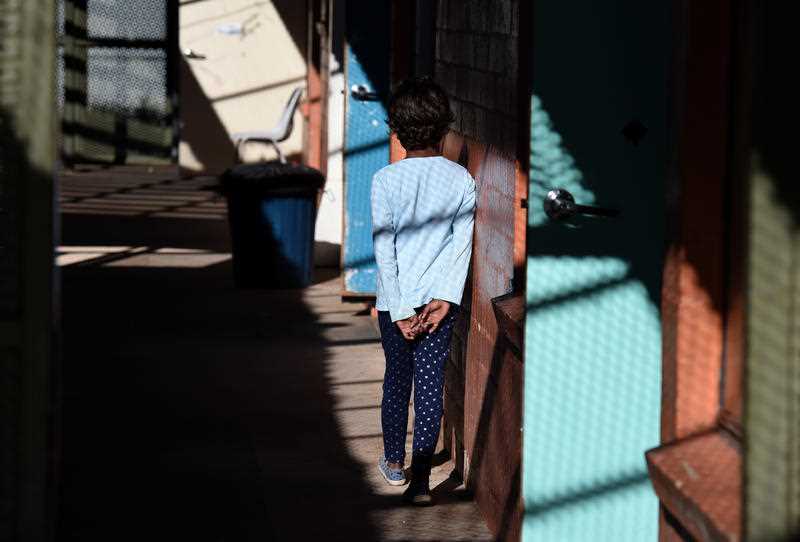
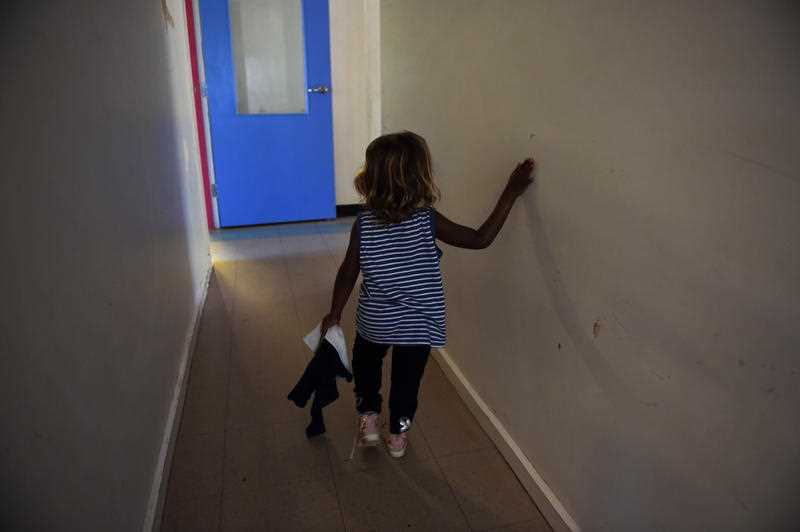
Indigenous advocates have warned proposed child safety changes in Queensland and the Northern Territory risk weakening safeguards that keep Aboriginal and Torres Strait Islander children connected to family, community and culture.
State and Territory officials have defended the reforms as prioritising safety and early support to keep children at home.
Key Points
- Queensland and NT consider child safety reforms affecting Indigenous families
- Advocates fear erosion of Aboriginal and Torres Strait Islander placement principle
- NT draft bill proposes a new “universal principle” for removals
- Queensland inquiry urges adoption as a permanency option for some children
- SNAICC says debate wrongly pits culture against child safety
- NT minister says reforms aim to keep more children at home
- Former treaty commissioner questions adoption for Indigenous children
Both jurisdictions are advancing reforms that advocates have said would dilute the Aboriginal and Torres Strait Islander Child Placement Principle (ATSICPP), a framework developed in the 1990s to ensure connection to family, culture, community and country, and to make removal a last resort.
The principle emerged from decades of advocacy in response to the Stolen Generations, a statewide genocidal policy that saw between one in 10 and one in three Indigenous children removed from their families between 1910 and 1970 in the name of assimilation.
In the Northern Territory, draft legislation out for public comment proposes replacing the ATSICPP with a “universal principle”, stating a child “must be removed … if there is a significant and likely risk of harm to the child” and, as far as practicable, should be placed in “close proximity” to their family.
In Queensland, a child safety commission of inquiry has delivered 52 recommendations. They include the widely supported removal of all children under five from residential care, and consideration of adoption as a “genuine permanency option” for children who cannot return to their families, including Indigenous children. The commission’s final report, released last month, acknowledged “significant concerns” within Indigenous communities about adoption but stated reform was needed.
Advocates warn of eroding protections
Catherine Liddle, chief executive of SNAICC – National Voice for Our Children, said child safety must remain paramount but argued political debate is overshadowing what children need. She said if systems were genuinely focused on children, they would confront the ways institutions and communities have failed families and harmed children, not frame safety and culture as competing priorities.
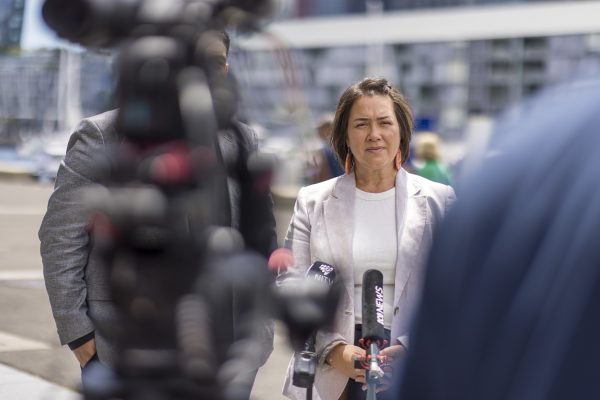
Chief executive of SNAICC, Catherine Liddle said child safety must remain paramount.
“If we were genuinely serious about children, what we’d be doing is having really hard conversations about how the systems have failed, our communities have failed our families, and most importantly, harmed our children,” Ms Liddle said.
“There should not be a debate between culture and safety. Culture is safety. In legislation, where we do have the child placement principle embedded, it says ‘best interests of the child’. Now that means whole child – who you are, who you are right now, where you’re going, and who you’re going to become.”
Barrister and former Queensland treaty commissioner Joshua Creamer, a Waanyi and Kalkadoon man who spent seven months giving evidence to and observing the Queensland inquiry, said the recommendation to consider adoption for Indigenous children was inconsistent with evidence before the commission.
He said the evidence indicated adoption was not appropriate because it severs ties with biological and Indigenous family.
Government response
The NT children’s minister, Robyn Cahill, defended the draft bill, saying the ATSICPP continues to guide decision-making and that connection to family, culture and community remains a priority wherever it is safe. She said concerns raised by SNAICC and other stakeholders stemmed from a “fundamental misunderstanding” of the bill’s intended outcomes.
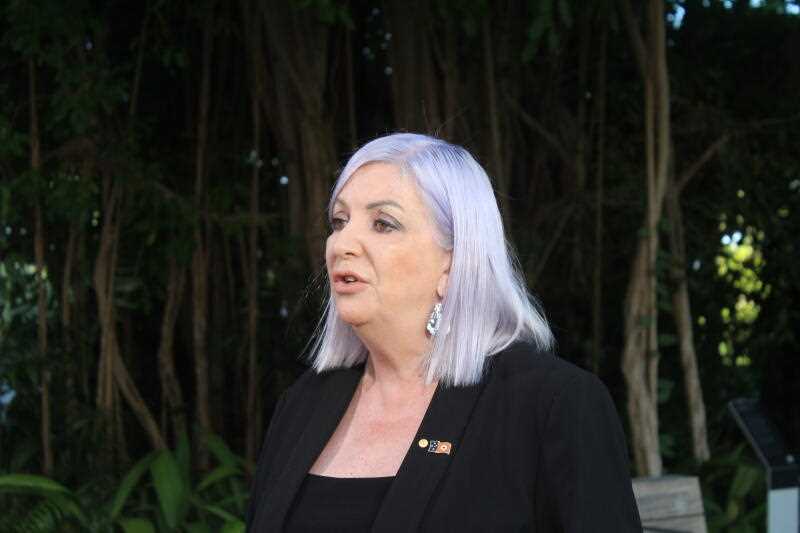
NT children’s minister, Robyn Cahill, has defended the draft bill.
“The intent of this legislation is fewer children in out-of-home care, not more, by getting help to families sooner so children can stay safely at home,” she said.
In Queensland, a spokesperson for the department of child safety said the Crisafulli government has accepted most of the commission’s recommendations and is committed to improving outcomes for First Nations children, including addressing over-representation in out-of-home care.