Cheaper essential items for remote communities
Stores across northern Queensland and the Torres Strait are set to offer cheaper groceries for customers after the Federal Government confirmed it had begun its Low-Cost Essentials Subsidy Scheme.
From Doomadgee in the west to Palm Island in the east, from Pormpuraaw in Cape York to Boigu Island in the Torres Strait, residents will now be able to buy cheaper groceries.
Under the scheme, the cost of 30 essential items has been reduced, so they are comparable to prices in cities. The expected savings for remote consumers is up to 50 per cent.
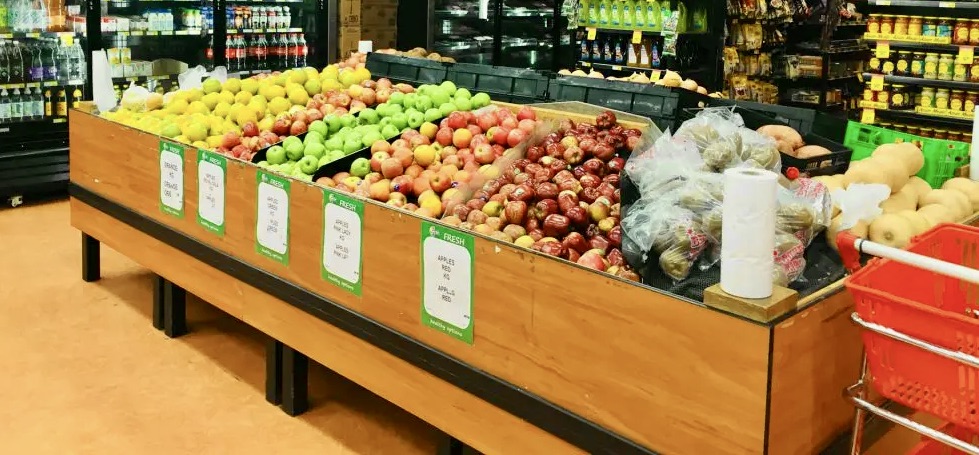
Food items that have been made cheaper include tinned vegetables, canned fruit and rice, along with everyday items including nappies and toilet paper.
Indigenous Australians, Senator Malarndirri McCarthy said for too long First Nations communities have paid too much for items, compared to people living in big cities.
“The Government is committed to easing cost of living pressures and improving food security for remote communities,” she said.
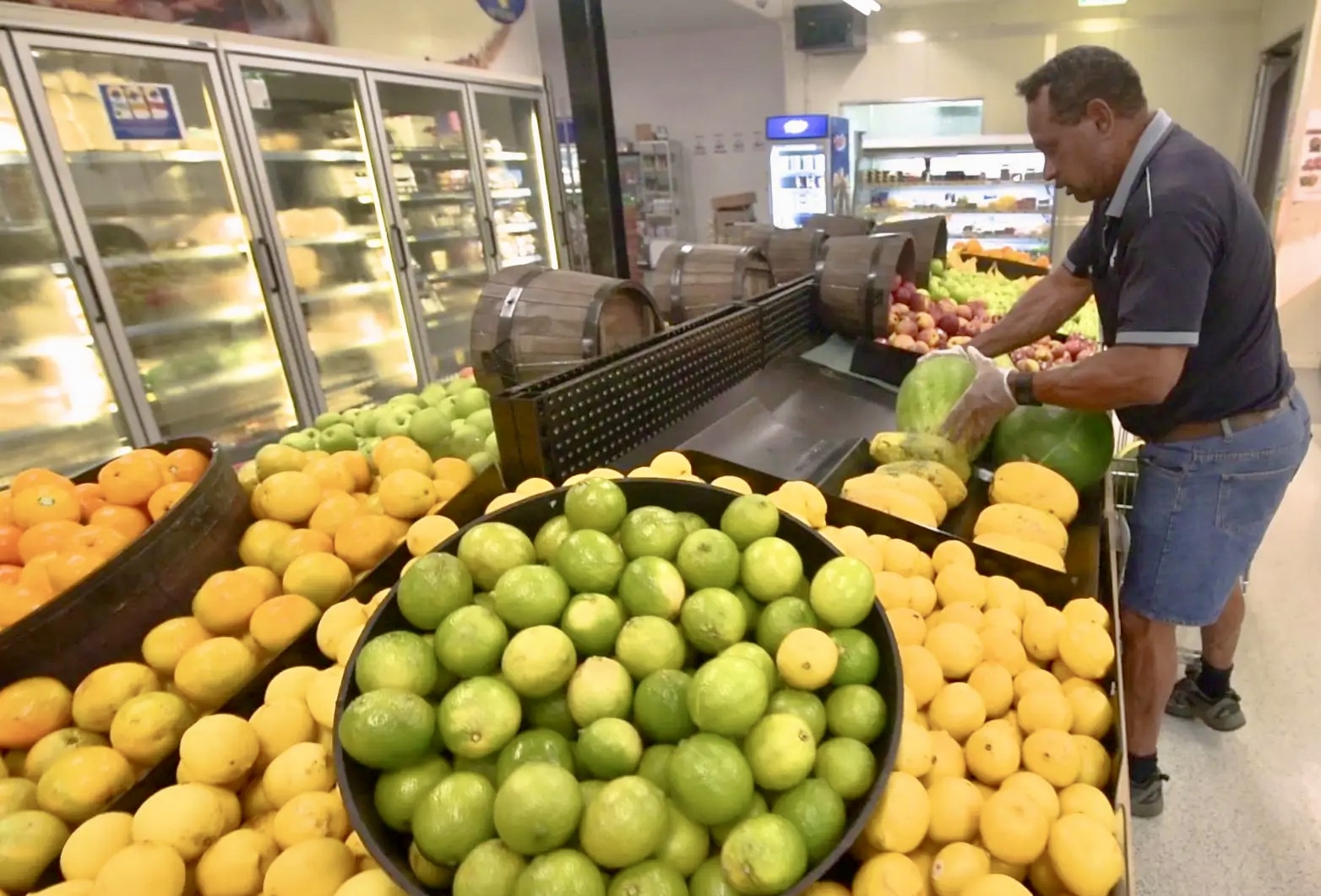
Community Enterprise Queensland (CEQ) Chairperson, Joann Schmider said they were proud to bring this scheme into their stores because by easing these pressures and ensuring access to affordable, healthier everyday staples, “we stand alongside families in remote communities – building stronger, healthier futures”.
“It’s a real positive for our communities that both the Queensland Government and the Commonwealth are working in tandem,” she said.
“Together, the two schemes mean even greater support at the checkout, with more essentials made affordable for families.”
There has been strong interest in the scheme from remote stores nationally.
To participate in the scheme, remote stores must first sign up to a new National Code of Practice for Remote Store Operations which includes minimum standards aimed at improving capability in three key areas – governance, operations and health.
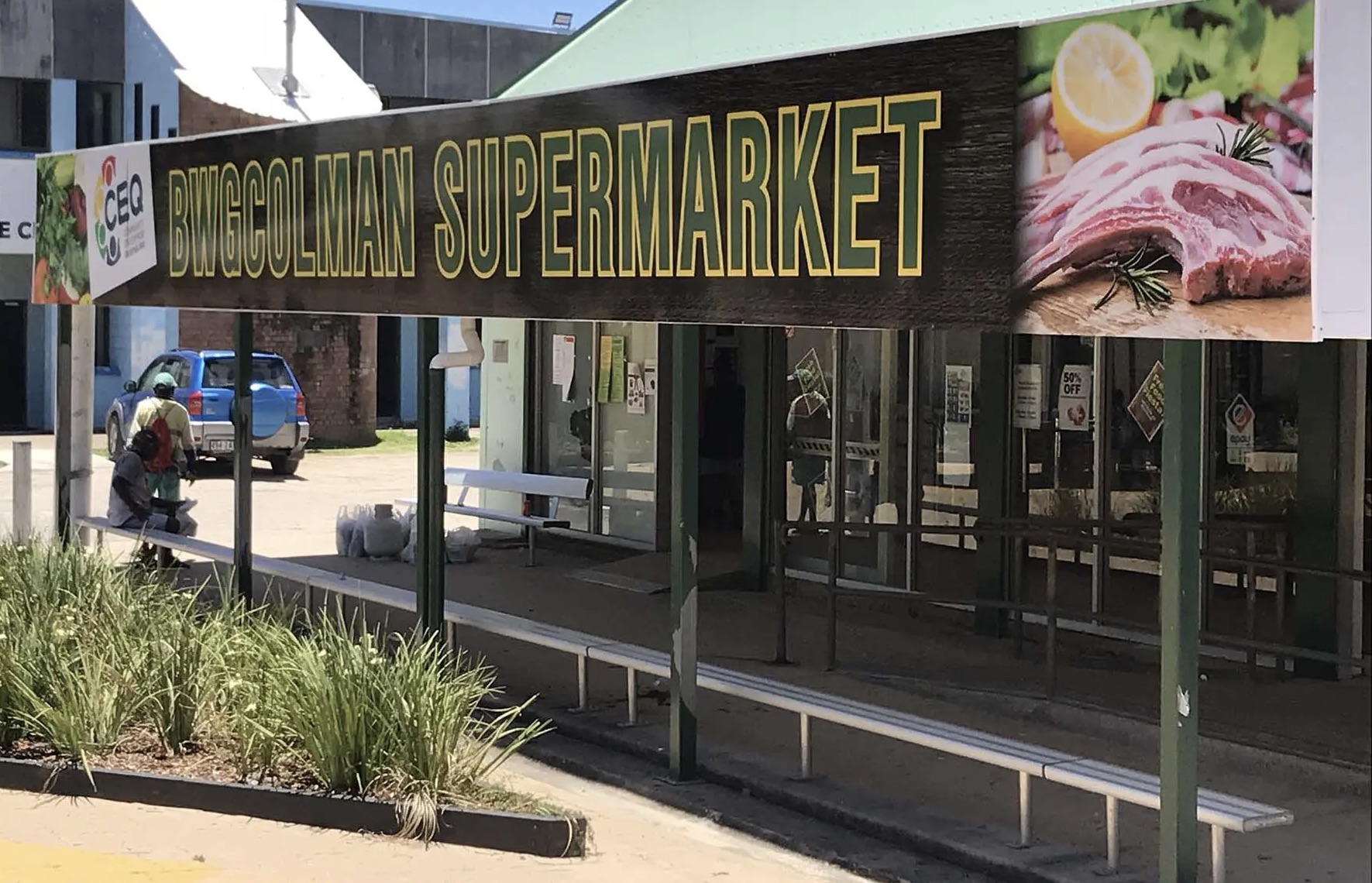
Bwgcolman Supermarket on Palm Island.
The scheme is administered by the National Indigenous Australians Agency and delivered by Outback Stores, a not-for-profit Commonwealth company.
Once approved for the scheme, stores can commence ordering stock from the list of 30 essential items to meet the needs of their community.
The Albanese Labor Government is investing $50 million over four years to improve remote food security, including reducing the cost of essential items in up to 152 remote stores.
For more information visit:
https://www.niaa.gov.au/sign-national-code-and-low-cost-essentials-subsidy-scheme-now
Participating stores
Queensland remote stores and communities benefitting from the Low-Cost Essentials Subsidy Scheme:
Cape York
- Aurukun General Store (Aurukun)
- Bamaga Supermarket (servicing Bamaga, Seisia and Umagico community)
- The Little Bush Pantry (Coen)
- Hope Vale Supermarket (Hope Vale)
- Kowanyama Supermarket (Kowanyama)
- Lockhart River Supermarket (Lockhart River)
- Mapoon Local (Mapoon)
- Napranum Local (Napranum)
- Pormpuraaw Supermarket (Pormpuraaw)
- Wujul Wujul Local (Wujul Wujul)
Torres Strait
- Arkai Local (servicing Kubin, St Pauls and Moa community)
- Badu Island Supermarket (Badu Island)
- Boigu Local (Boigu Island)
- Dauan Local (Dauan Island)
- Erub Local (Darney Island)
- Horn Island Supermarket (Horn Island)
- Iama Local (Yam Island)
- Kirriri Express (Hammond Island)
- Mabuyag local (Mabuiag Island)
- Masig Local (Yorke Island)
- Mer Local (Murray Island)
- Nurupai Local (Horn Island)
- Poruma Local (Coconut Island)
- Rosehill Express (Thursday Island)
- Saibai Local (Saibai Island)
- Tamwoy Express (Thursday Island)
- Ugar Local (Stephen Island)
- Waibene Supermarket (Thursday Island)
- Warraber Local (Warraber Island)
- Wug Local (Moa Island)
Northern Queensland
- Doomadgee Supermarket (Doomadgee)
- Bwgcolman Supermarket (Palm Island)