Canavan urges post-Voice reset, demands royal commission on abuse
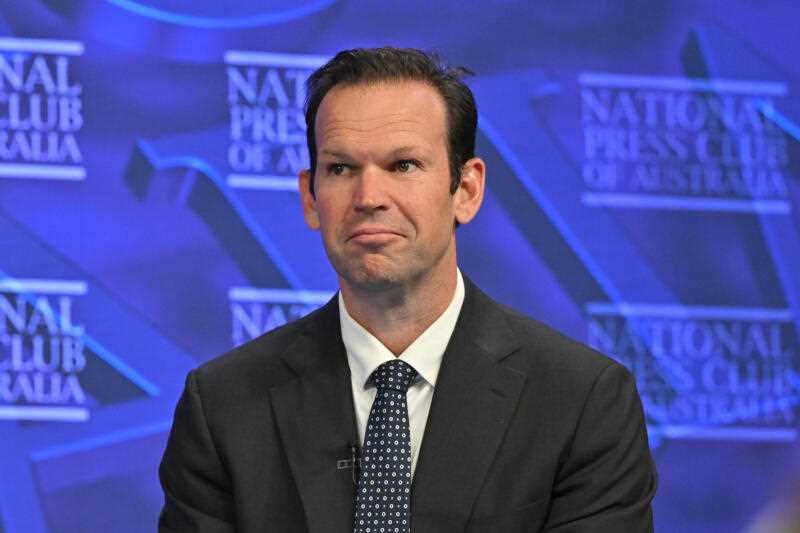
Nationals leader Matthew Canavan has called for a reset of Federal Indigenous policy following the 2023 Voice to Parliament referendum defeat, pressing for direct engagement in communities and a royal commission into sexual abuse in Indigenous communities.
His intervention follows the alleged murder of five-year-old Kumanjayi Little Baby, who went missing from a home at the Old Timers/Ilyperenye town camp in Alice Springs, intensifying national scrutiny of safety, services and housing in town camps.
Key Points
- Matthew Canavan urges government to re-engage on Indigenous policy after referendum defeat
- Coalition renews call for royal commission into sexual abuse in Indigenous communities
- SNAICC and peak groups previously opposed royal commission proposal as politicisation
- Anthony Albanese rejects inquiry into town camps, cites major housing investment
- Government highlights jobs, grocery subsidies, housing and violence prevention funding
- Closing the Gap report shows only four of 17 targets on track
- Canavan argues structural change, not more funding, is needed in remote communities
Senator Canavan, a strident opponent of the Indigenous Voice to Parliament, accused the government of retreating from Indigenous policy after the referendum result. He urged ministers to spend more time in communities and to prioritise building local economic bases in remote areas, arguing that structural change must underpin any long-term improvements.
“Since the defeat of the Voice, the government has effectively run scared from Indigenous policy, it seems to be doing nothing on this issue,”
— Nationals leader Matthew Canavan
He said the government needed to “dust himself off” and “get its hands dirty” to prevent further tragedies like the death of Kumanjayi Little Baby. The case has prompted grief and anger across Australia and raised questions about conditions in the Old Timers/Ilyperenye town camp and other similar communities.
The Coalition has revived its demand for a royal commission into sexual abuse in Indigenous communities. Senator Canavan said such a commission could examine “shocking incidents” and the public funding directed to those communities.
Major Indigenous community groups, including the peak body for Indigenous children, SNAICC, fiercely opposed that proposal last term, arguing it politicised children in Indigenous communities and was put forward “without one shred of real evidence being presented”. Peak groups also warned it played into negative perceptions about Aboriginal people and communities.
Government response
When asked whether there should be an inquiry into town camps, Prime Minister Anthony Albanese did not support the proposal. He said the underlying issues are known and tied to chronic housing shortages that drive people into town camps from remote communities.
“We know what the solutions are […] That’s why we are contributing around about $4 billion for housing in remote areas. It’s by far the largest ever investment in housing in the Northern Territory.”
— Prime Minister Anthony Albanese
Mr Albanese acknowledged that conditions in town camps are “not up to scratch” and said governments of all persuasions need to do “much, much better”.
Since the referendum defeat of the proposal to establish and constitutionally enshrine an Indigenous advisory body, the federal government has stepped back from major structural reforms. It says its focus is on practical measures.
In recent years, the government has announced several initiatives:
- $300 million for a remote jobs program it says has created 1,500 new jobs
- Expansion of a subsidy to lower grocery prices at 225 food stores across remote Australia
- $218 million for its plan to end violence against Aboriginal and Torres Strait Islander women and children
- $600 million in housing funding for Indigenous Australians under the Housing Australia Future Fund
However, the long-running challenge of closing the gap in disadvantage between Indigenous and non-Indigenous Australians persists. The latest Closing the Gap report found only four of 17 measures of Indigenous social and economic wellbeing had improved and were on track. It reported worsening outcomes in early childhood development goals, childhood incarceration rates, out-of-home care rates and Indigenous suicide rates.


- AFL / AFLW
- Arts
- Athletics and Olympics
- Business
- Conditions and Research
- Culture
- Elections
- Employment and Careers
- Enterprise and Startups
- Entertainment
- Events and NAIDOC
- Fashion
- Film and TV
- Food
- Government and Policy
- Grants and Funding
- Health
- Healthcare and Services
- Heritage and History
- International
- Language
- Lifestyle
- Mental Health and Wellbeing
- Music
- News
- NRL and Rugby League
- Olympics
- Opinion
- Other Sports
- People and Profiles
- Podcast
- Politics
- Property and Land
- Sports
- Technology
- Travel
- Treaty and Truth-telling
- Voice and Referendum