Bularl di Wunami locality renaming complete
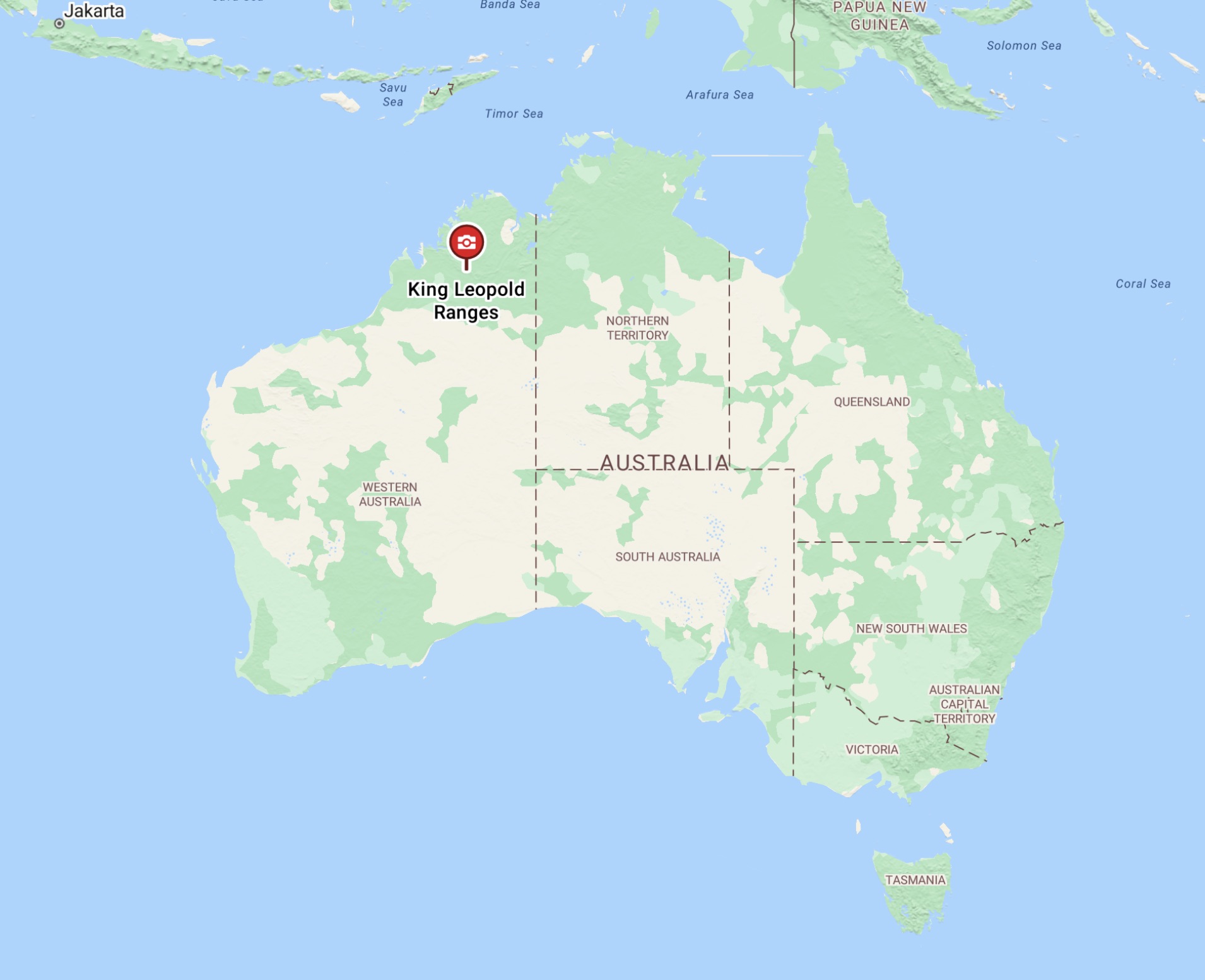
The locality previously known as King Leopold Ranges in Western Australia has been officially renamed Bularl di Wunami.
The renaming removes references to the former Belgian King, whose legacy includes documented atrocities.
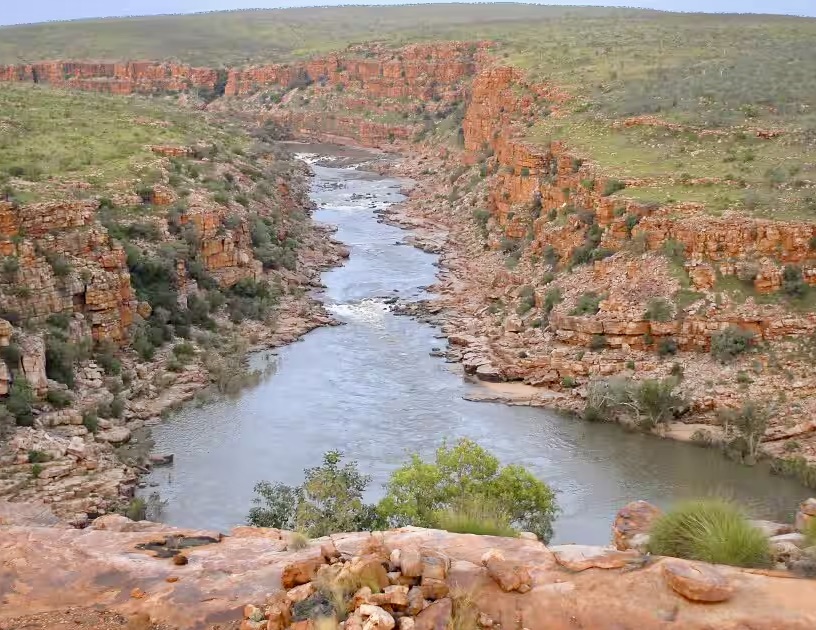
The Bularl di Wunami locality is in the Shire of Derby-West Kimberley, covering approximately 35,000 square-kilometres.
The Country surrounding the Wunaamin Miliwundi Ranges holds deep spiritual, cultural, and historical significance for its Traditional Owners, who have cared for, and are deeply connected to, this land.
The locality’s rugged landscapes and natural beauty also make it popular with hikers, campers, and adventurers.
“Changing the name of this locality to one that reflects the ongoing connection of Aboriginal people to their Country is not just a symbolic action. It is an important and meaningful step towards reconciliation and represents a tangible form of truth-telling,” Aboriginal Affairs Minister Don Punch said.
Key facts
- Community and cultural heritage recognised through new Aboriginal place name
- Proposal strongly supported by Traditional Owners and local community
- Renaming aligns with Cook Government’s reconciliation initiatives
“This removes the name of an historical figure with no connection to this land, and rightly replaces it with a name that honours the deep cultural and linguistic connections of the Ngarinyin and Bunuba people to their Country.”
The new name incorporates the languages of two Traditional Owner groups, the Ngarinyin and Bunuba people.
“Bularl di” (Buh-larl-dee) is a Ngarinyin term meaning rocky Country, while “Wunami” (Wur-naa-mee) is a Bunuba word meaning big range Country.
In 2020, the physical ranges, known as the King Leopold Ranges, were renamed Wunaamin Miliwundi.
To ensure clarity, particularly for first responders in emergency situations, Landgate engaged a First Nations consultant, NyikBar Consulting, to identify a new name for the locality surrounding the physical ranges.
Consultation process
The new name was developed through a consultation process that included engagement with Traditional Owners.
It was recently endorsed by the Shire of Derby-West Kimberley and approved by Landgate.
Planning and Lands Minister John Carey said the new name, paired from two local languages, acknowledged not only the physical features of these lands but also the enduring cultural, linguistic, and historical connections of their Traditional Owners.
“The renaming has occurred following consultation with traditional owners, local government, and emergency services,” he said.