Bones found on Rottnest Island are Indigenous remains
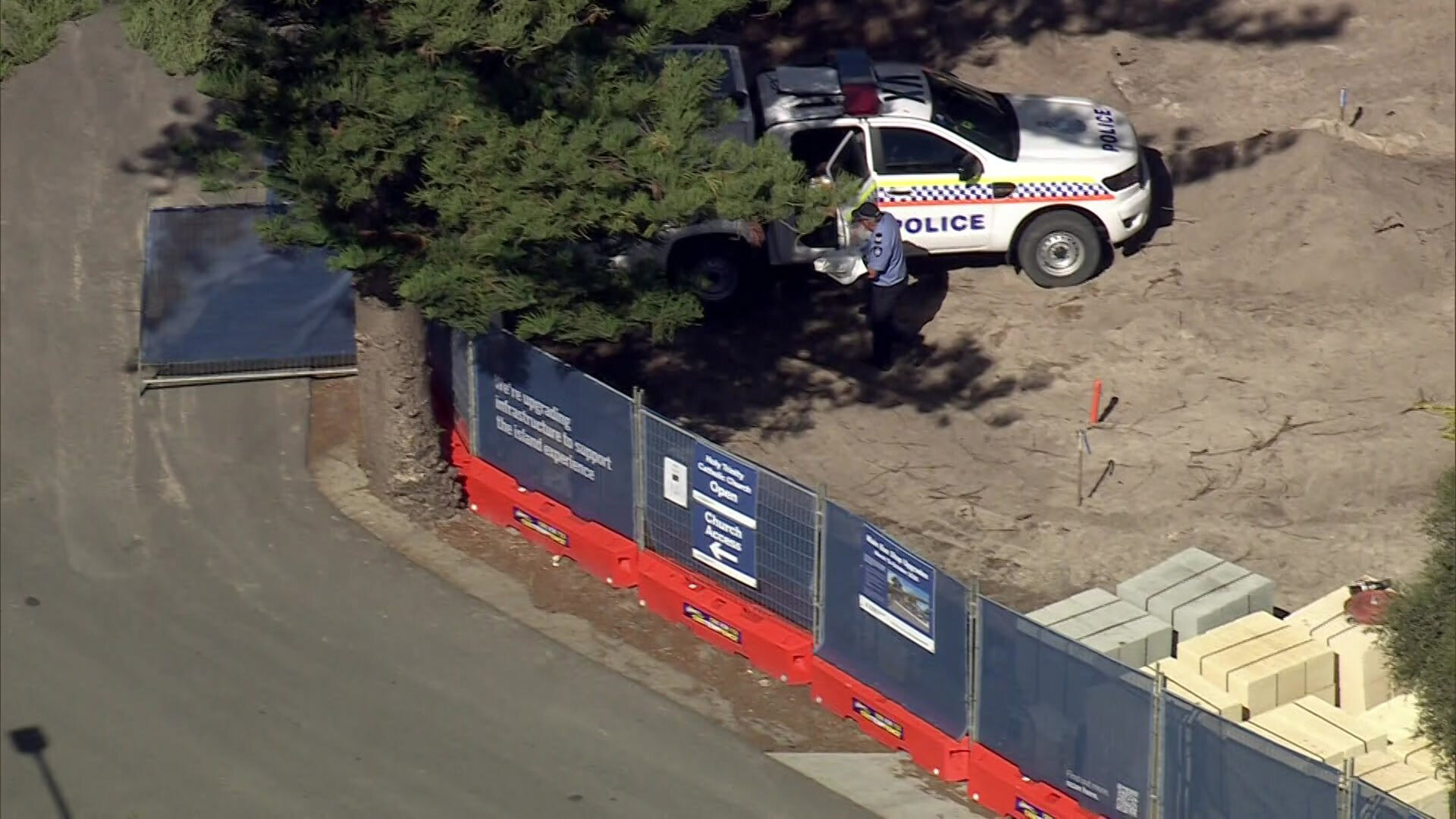
WA police say human bones found near a Catholic church on Rottnest Island this week are likely to be historic Indigenous remains.
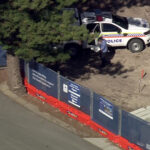
The discovery was made during construction works on the island, which is also known as Wadjemup.
The remains were located during construction activity on church grounds. WA Police said the matter has been handed to the Whadjuk Aboriginal Corporation and the Rottnest Island Authority.
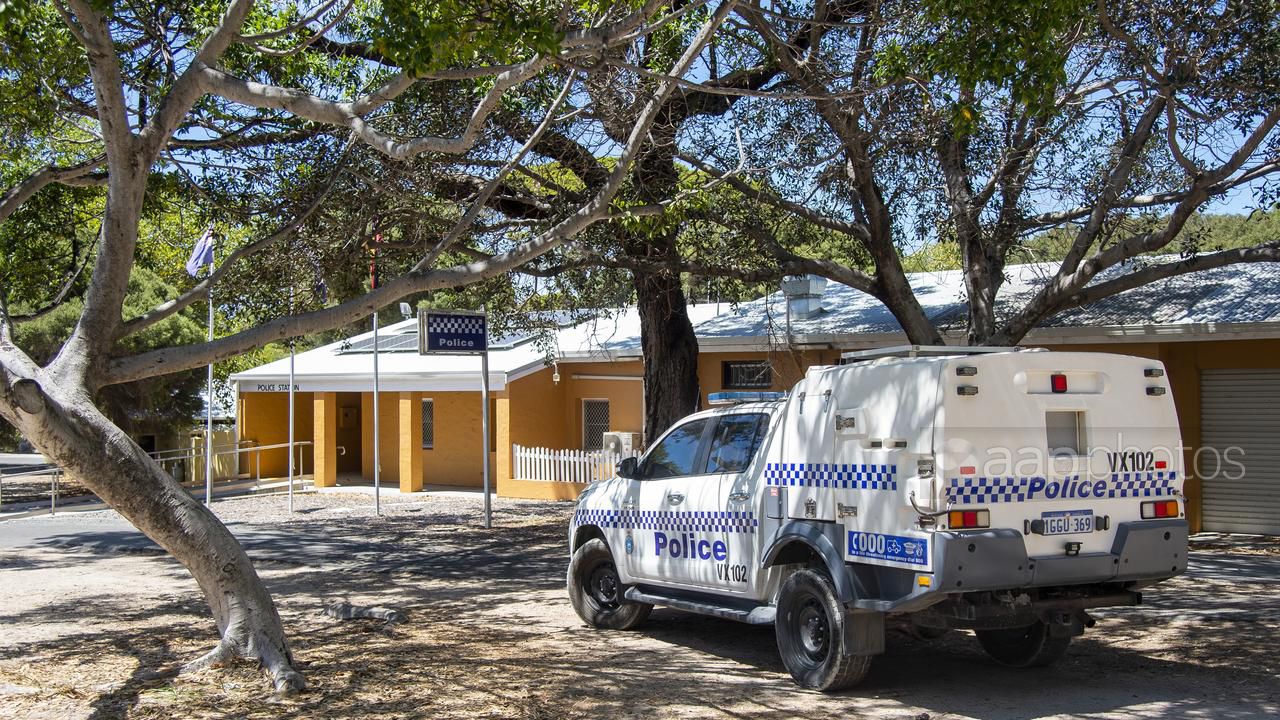
WA Police said the matter has been handed to the Whadjuk Aboriginal Corporation.
Key Points
- Bones found near Holy Trinity Catholic Church during construction work
- WA Police say remains likely historic and Indigenous in ancestry
- No suspicious circumstances identified in preliminary assessment
- State anthropologist involved in the police investigation
- Rottnest Island, also known as Wadjemup, has a dark prison history
- Records show 3,700 Aboriginal men and boys were jailed from 1838–1931
- Matter handed to Whadjuk Aboriginal Corporation and Rottnest Island Authority
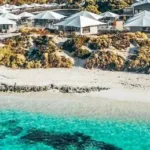
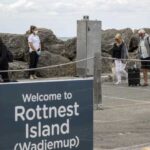
Rottnest lies 19 kilometres off the coast of Fremantle. The island is a popular tourist destination known for its white-sand beaches, shipwrecks and secluded bays. It is home to the small, wallaby-like quokka.
Despite its appeal to visitors, Wadjemup holds a dark history. The site was once a notorious prison, and archival records reflect enduring harm caused by incarceration and dispossession.
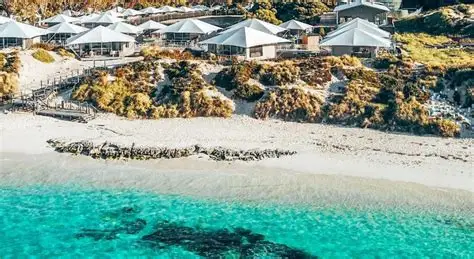
The island is now a tourism hotspot with beaches, shipwrecks, secluded bays, and quokkas.
Historic prison and burial ground
According to the Rottnest Island Authority, WA state records indicate 3,700 Aboriginal men and boys were imprisoned there between 1838 and 1931. Many were leaders, lore men and warriors, and the removal from their communities had lasting effects.
Living conditions on the island were described as brutal. Overcrowding, a lack of sanitation and nutrition, extreme weather, and physical and psychological abuse contributed to hundreds of deaths. Most were buried in unmarked graves on the island.
After the prison closed, one of Australia’s largest Aboriginal burial grounds was largely forgotten about.
Next steps
With the matter transferred to the Whadjuk Aboriginal Corporation and the Rottnest Island Authority, further investigation will occur through established cultural and land management processes. WA Police have not indicated any ongoing criminal investigation given the absence of suspicious circumstances and the historical nature of the remains.
Background on Wadjemup’s prison legacy
Between 1838 and 1931, the island served as a prison site where, according to state records cited by the Rottnest Island Authority, 3,700 Aboriginal men and boys were incarcerated. Many were leaders, lore men and warriors, and the impact of their removal from community was profound. Conditions on the island contributed to hundreds of deaths, and most of those who died were interred in unmarked graves.
Today, Rottnest remains a tourist magnet for its beaches, shipwrecks, and secluded bays, and for quokkas. The evolving management of historic remains and burial grounds remains central to how the island reconciles its popularity with the responsibilities attached to Wadjemup’s history.