Blending knowledge and science to produce bushtucker gin
Native lemongrass distilled into gin tastes like roses for some people and lemon for others, depending on their genes.
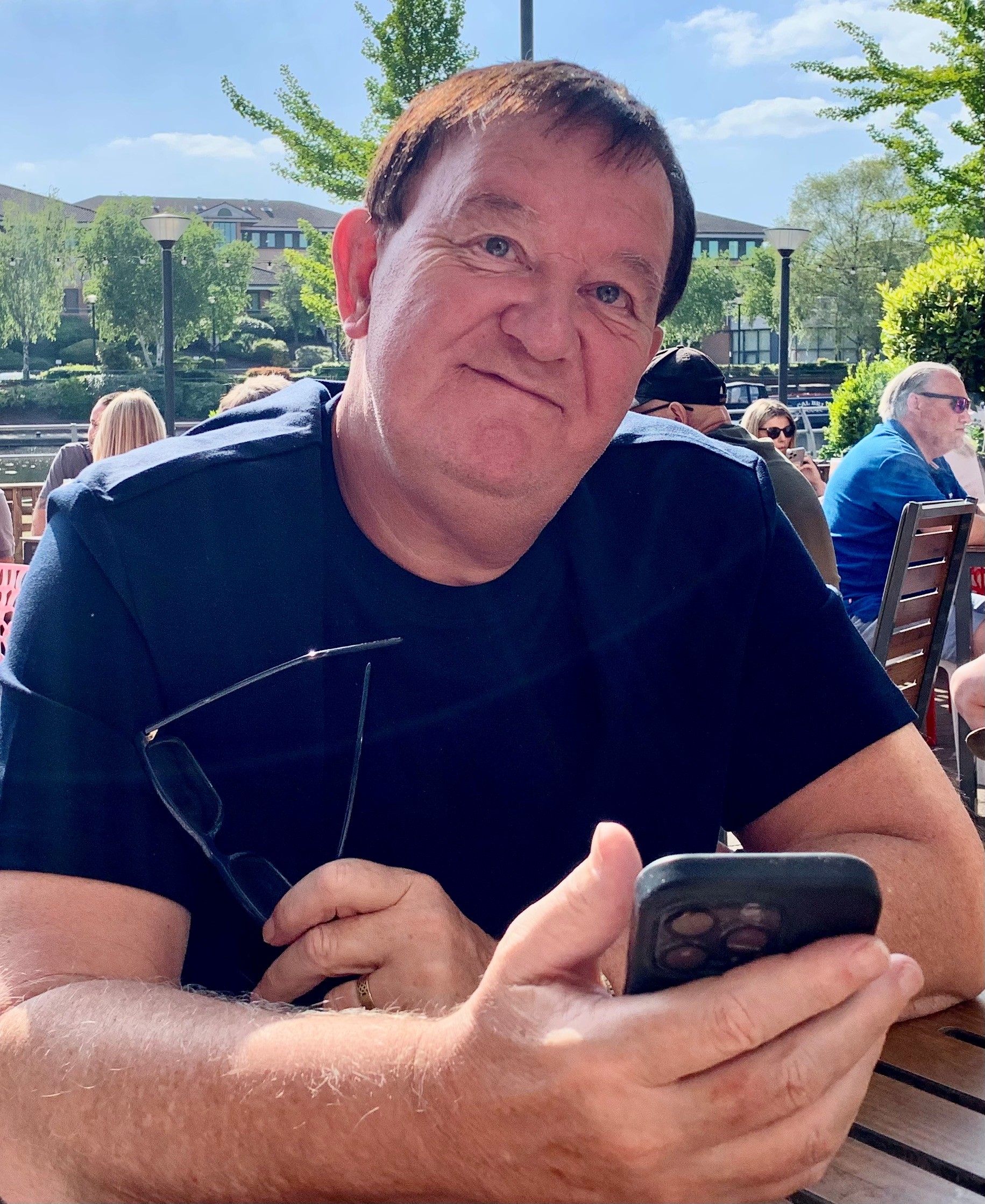
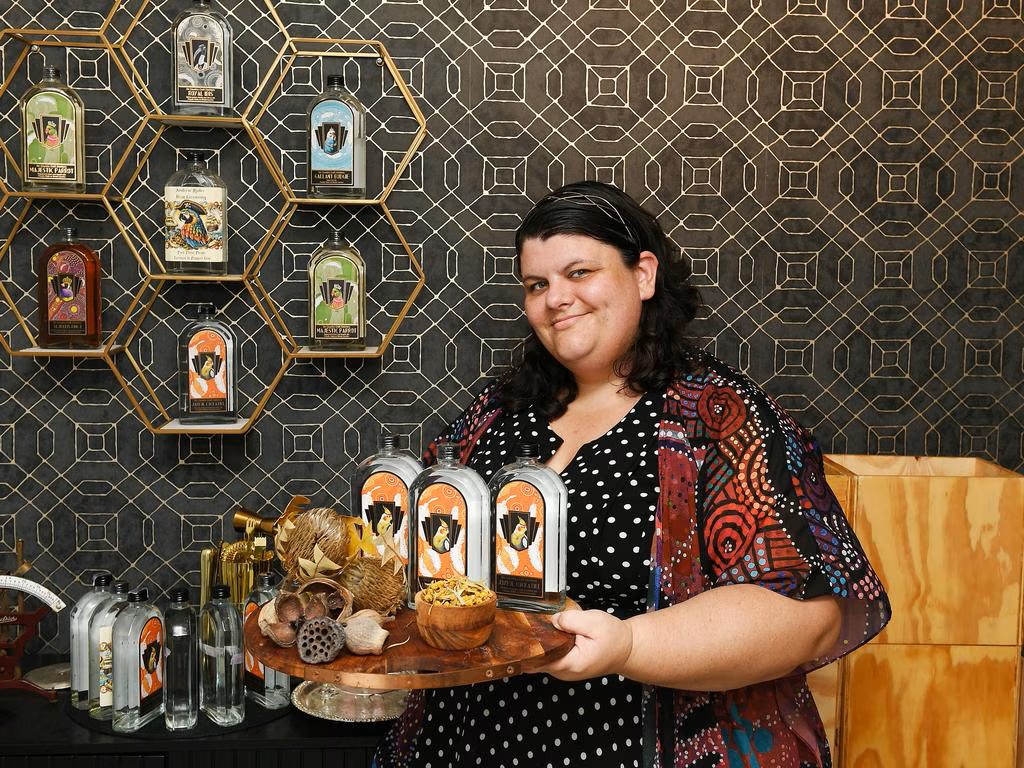
Proud Wiradjuri woman and gin distiller Clair Ryder, from Townsville in Queensland blends traditional knowledge with modern science and innovative distilling, using ingredients that are ethically sourced with the blessing of Traditional land owners.
Ms Ryder is presenting ‘Bush Alchemy’, a 90-minute guided experience hosted by On Country Craft Distillery, the only distillery owned and operated entirely by First Nations women in Australia.
The event is part of an Australia-wide National Science Week next month that will highlight several inspring Indigenous businesses.
Ms Ryder will talk about the chemistry behind native aromatics, the ecological significance of key species, and the cultural knowledge that has shaped their use for thousands of years.
This session blends scientific insight with tasting raw bushtucker ingredients. Participants then experience how those same botanicals evolve when infused into spirits and incorporated into food.
The tour takes place on August 22. Event details: www.scienceweek.net.au/event/bush-alchemy-exploring-indigenous-botanicals-and-bushtucker-in-spirits/douglas/
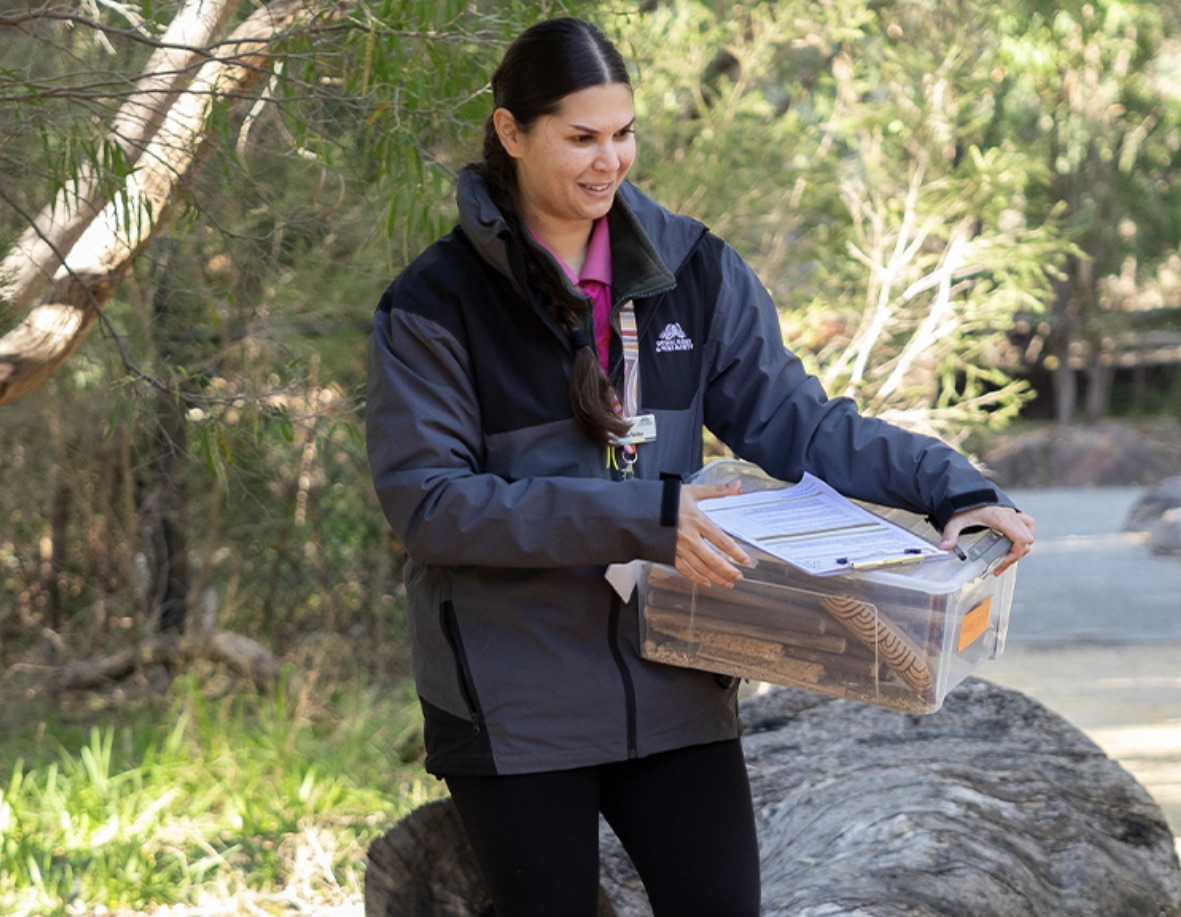
In Perth Rickeeta Walley will be taking people on one-hour walks on Country, sharing the traditional scientific practices and knowledges of the Noongar people, from detailing the way the six seasons provide for guidelines for environmental and ecological sustainability to revealing local plant species and how they are managed through physical chemistry, fire-processing, and eco-engineering, for food and tool resources.
Ms Walley is an artist and Noongar educator at Kaarta Koomba (Kings Park and Botanic Garden).
Perth has six seasons; ‘quenda’ is the Noongar word for the Southern short-nosed bandicoot who live at Kings Park; fire helps the flowering process of ‘balga’ grass tree, which produces stems that are used as fire sticks, resins used for tools, and flowers eaten and chewed like chewing gum.

August 20 Event details: www.scienceweek.net.au/event/noongar-two-way-learning-walk-at- kings-park/perth
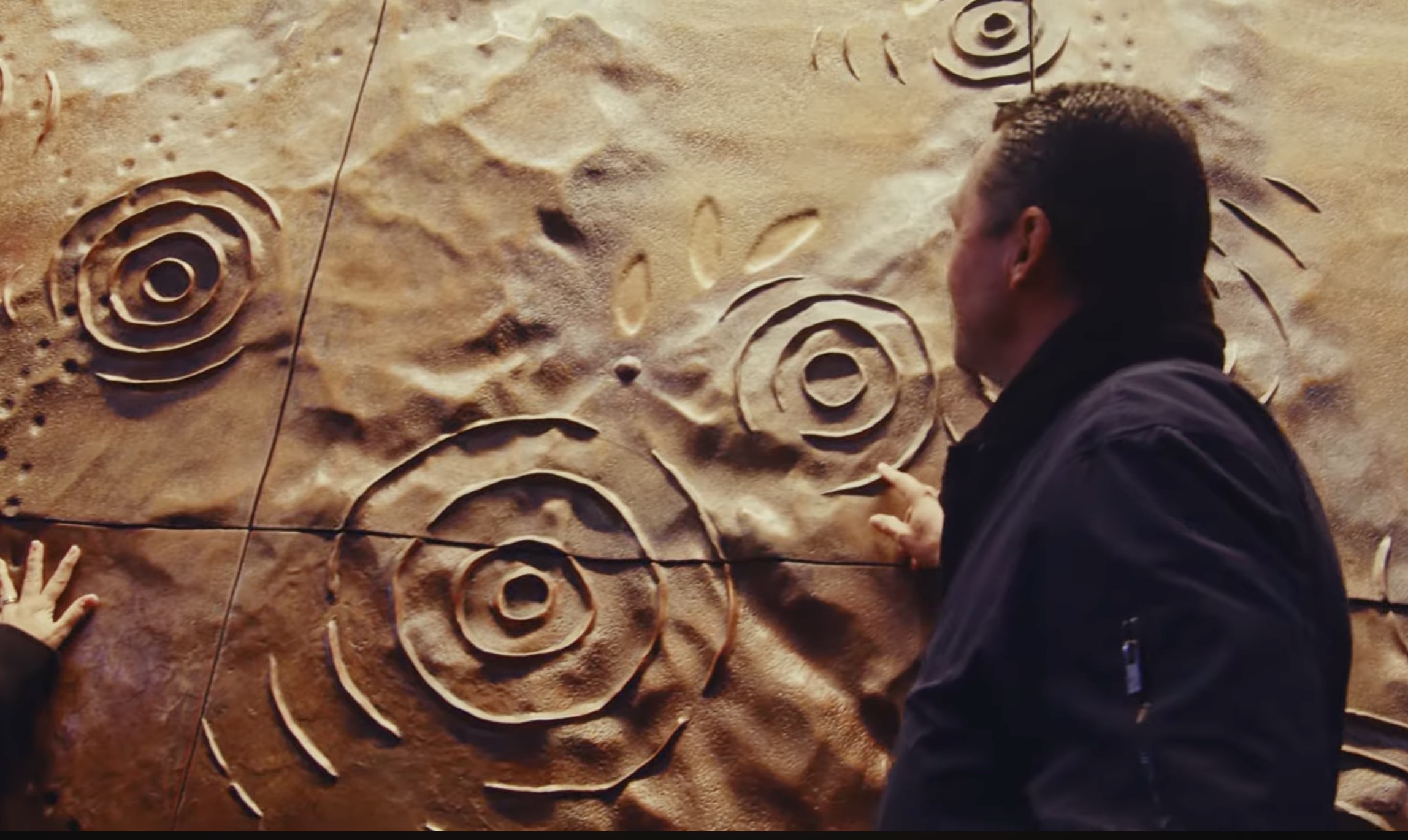
In Parkes, NSW, First Nations astrophysicist and cultural astronomer Peter Swanton will walk the National Gallery of Australia responding to works in the National Collection – and in Ngura Puḷka: Epic Country – tracing the links between contemporary science, visual art and the world’s oldest living continuous culture.
A Gamilaraay and Yuwaalaraay man, Mr Swanton began his research in black holes and cosmology before shifting to cultural astronomy and dark-sky preservation. His work highlights the scientific importance of Indigenous star knowledges and the threat of light pollution
August 14 event details: www.scienceweek.net.au/event/dark-sky-stories-and-art-art-vs-science-friday-art-talks/parkes
In Sydney on August 22 a free event learning how to care for Country with native bees, seaweed and Indigenous technology at the Redfern Community Centre will celebrate Indigenous knowledge systems through interactive physics and chemistry experiments, yarning with Elders and a VR experience of Torres Strait Islander culture.
Event details: www.scienceweek.net.au/event/indigenous-science-experience-at-redfern-7/redfern
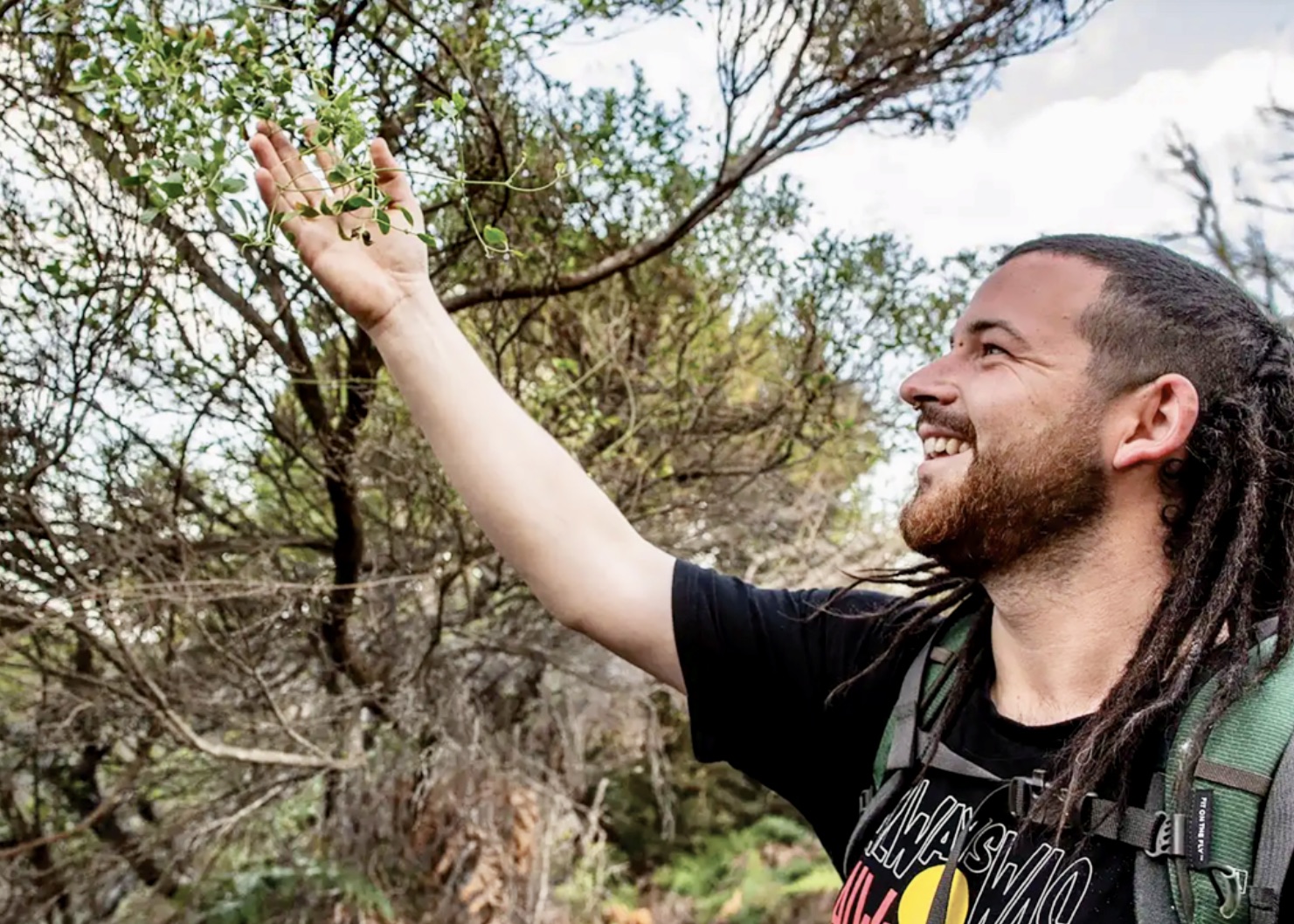
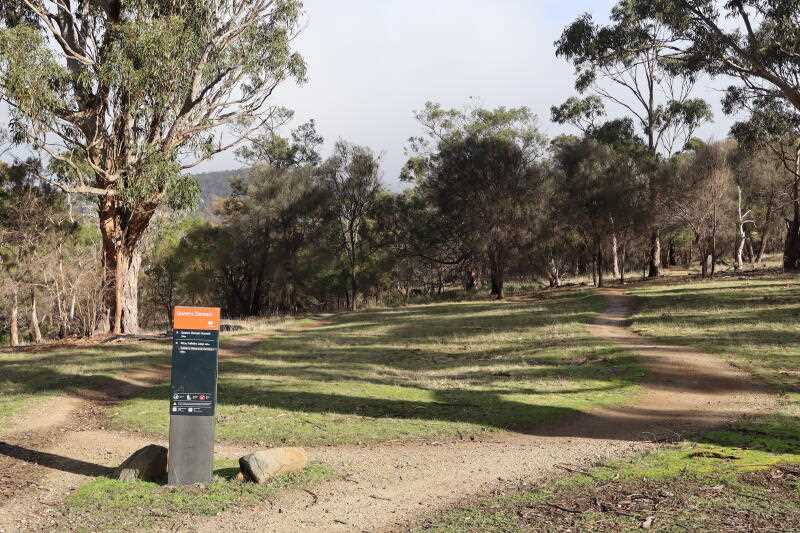
Tasmania offers a a guided walk through the Waterworks reserve in the foothills of Kunanyi with Pakana activist and cultural practitioner Cody Gangell-Smith and wild-food forager Westerly Isbaih, exploring how modern science is beginning to echo what First Nations people practising their culture have always known.
Connecting to Country is a gentle, slow walk about place-based traditional ecological knowledge and reawakening a reciprocal relationship with the land through the senses. The walks, on August 8 and 9, are part of the Beaker Street Festival.
Event details: www.scienceweek.net.au/event/connecting-to-country-a-practice-for-everyone/ridgeway
In Wellington Park, Tasmania you can hear the stories of Wurangkili Liwari (the night sky) with Pakana woman and UTAS Senior Indigenous Scholar Theresa Sainty who shares stories of her people’s uninterrupted connection to the stars – including the creation of Palawa, the first ancestor to walk the earth.
Photographers Luke Tscharke and Dr Andrew Phipps then guide guests through the southern night sky, learning palawa kani words for stars while gazing into the Milky Way, and discussing the importance of protecting Sky Country.
About National Science Week
National Science Week is Australia’s annual opportunity to meet scientists, discuss hot topics, do science and celebrate its contribution to our lives. Science drives economic and social change – from safe and nutritious food to reducing cancer deaths; from smart phones to AI; from under Antarctica’s ice floes to distant planets.
First held in 1997, National Science Week has become one of Australia’s largest festivals. Last year about three million people participated in more than 2,500 registered events and activities.
National Science Week 2026 runs from Saturday 15 to Sunday 23 August. Event details can be found at www.scienceweek.net.au