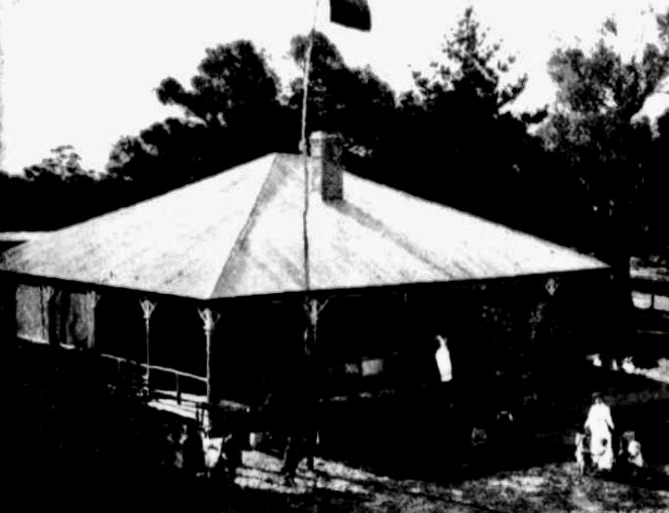
Aboriginal family history information preserved in new index
Historic records detailing the experiences of Aboriginal children placed in the Dulhi Gunyah Orphanage in East Victoria Park between 1909 and 1919 have been preserved in a newly developed, searchable database.
Compiled by the Aboriginal History team within the Department of Creative Industries, Tourism and Sport, the database draws on publicly available records from the State Records Office of Western Australia.
It documents the names of approximately 65 children who were admitted to the orphanage, along with information such as admission dates, previous place of residence, and dates of departure.
Where records exist, the database also includes details such as the children’s place and dates of birth and, where relevant, their date of death.
Key facts
- Admissions records from Dulhi Gunyah orphanage preserved in new database
- Information from publicly available records preserved within the Dulhi Gunyah Orphanage index
- Database available to Aboriginal families seeking family members who may have been admitted to the orphanage
“Very few historical records remain that tell the full story of Dulhi Gunyah beyond a small collection of surviving government documents,” Aboriginal Affairs Minister Don Punch said.
“What little survived has now been carefully brought together in this index. With the buildings long gone and the site transformed, there is almost nothing tangible left to show that these children ever lived there.

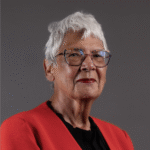
Aboriginal Affairs Minister Don Punch.
“This new searchable database is far more than a collection of names. It is a vital pathway for Aboriginal families who are still seeking answers as well as loved ones, whose stories were interrupted by the policies of that time. For many, it may be the first step toward reconnecting with family lines broken generations ago.”
Removal of children
Established in 1909, the Dulhi Gunyah Orphanage was intended to provide care for Aboriginal children, specifically girls under 14 and boys under eight years of age.
While some children entered the orphanage voluntarily, others were admitted under the Aborigines Act 1905, legislation that enabled the forced removal of Aboriginal children under 18 for placement in missions, institutions, foster care, or employment.
Children came to Dulhi Gunyah from across Western Australia, including from the South West, Great Southern, Mid West, Kimberley, and Pilbara regions. The youngest child admitted was a four‑week‑old baby from the South West, and the oldest a 14‑year‑old girl from the same region.
Honouring the children
Originally located at 34 Bulwer Street in East Perth, the orphanage was relocated twice within its first two years of operation. It was first on Albany Road in East Victoria Park, and then moved to a 12‑acre site on nearby Argyle Street as demand for accommodation grew.
The land where the orphanage once stood has since been significantly redeveloped and now forms part of Victoria Heights Park and the surrounding residential neighbourhood.
The database marks a small but significant step toward truth‑telling, bringing together what remains, and honouring the children of Dulhi Gunyah and the families seeking to reclaim their stories.