A future for Groote Eylandt after mining
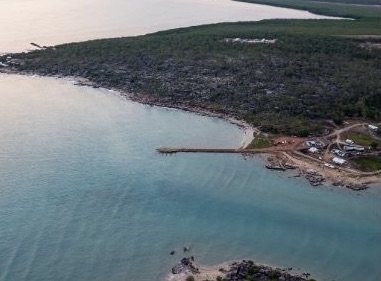
Groote Eylandt is the largest island in the Gulf of Carpentaria. Its economy relies heavily on manganese mining … which is ending. How do you create a secure future for an island in the middle of nowhere?
Marine biology, Anindilyakwa culture and aquaculture are coming together through an aquaculture enterprise to create jobs and protect the ocean. It’s a project of the Groote Holdings Aboriginal Corporation and the Anindilyakwa community.
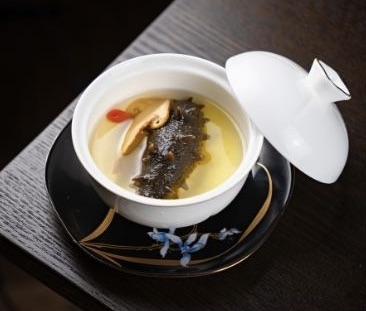
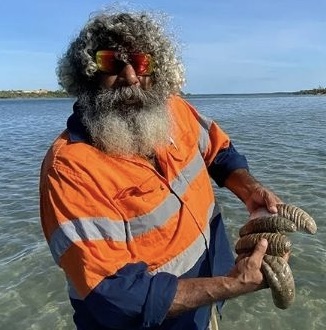
Sea cucumber (“trepang” in Anindilyakwa language) is the core product sold to the lucrative Chinese market where it is a culinary delicacy and is used in Chinese medicine. Dried sea cucumber is lightweight, high-value and non-perishable: important for a product that has to be shipped via a 5-day barge ride to Darwin and then exported.
The enterprise puts an ecosystem to work to raise sea cucumbers in a way that cares for Sea Country. Droppings from seaweed-eating rabbitfish provide food for sea cucumbers. The rabbitfish also remove the seaweed scum that blocks the sunlight sea cucumbers need and provide a locally grown food source for the 2,100 people who live across the archipelago. Blacklip oysters help clean the system to the extent that the effluent water from the facility is cleaner than the water that enters it.
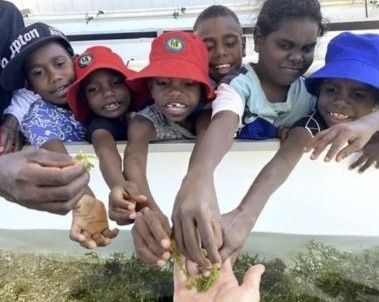
The enterprise now produces oysters, fish for local consumption, and edible seaweed, as well as sea cucumber.
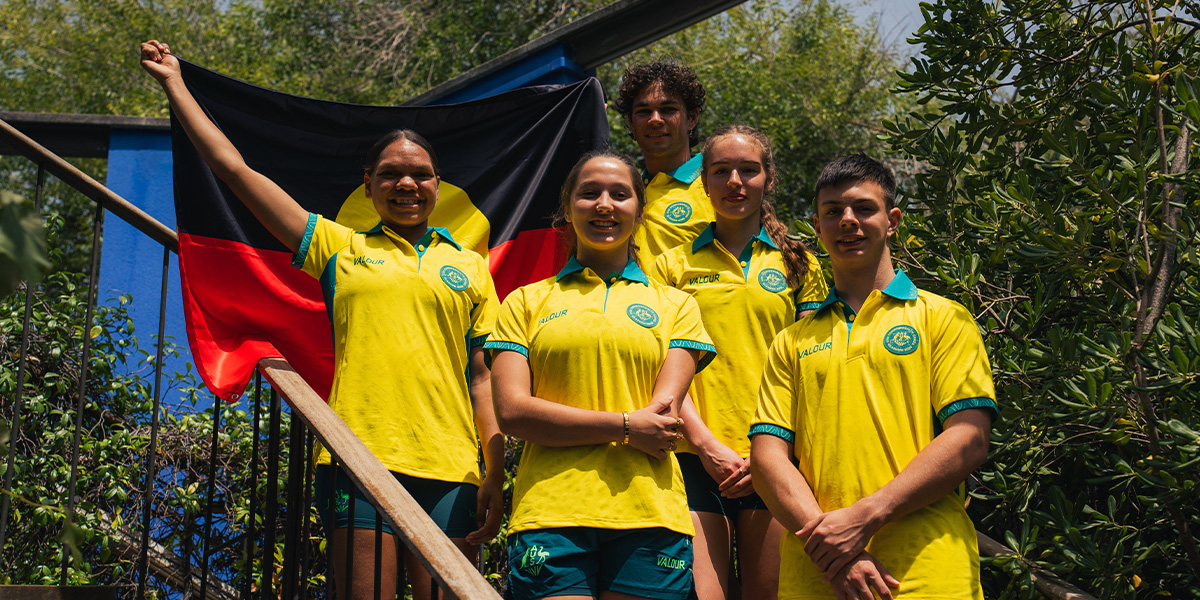
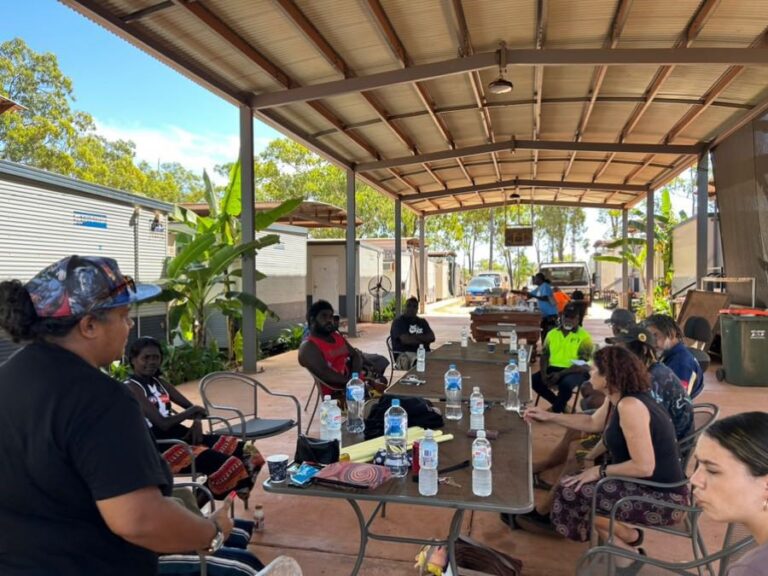
Students from local Alyangula, Angurugu and Umbakumba schools will visit the Groote Aqua facility for four days of hands-on marine science, aquaculture, microscopes, water testing and community activities exploring how science and Indigenous knowledge can build a sustainable blue economy on Groote Eylandt.
On the fourth day, the site will open to the wider community, giving everyone the chance to experience marine science in action and see the enterprise that will support lives and livelihoods after mining.
Hands-on experience
Join Groote Aqua Aboriginal Corporation during National Science Week on August 29 for a hands-on marine science activities on Groote Eylandt. This unique event will take students, families and community members behind the scenes of a working aquaculture facility to discover how science and Traditional Knowledge work together to care for Sea Country and build a sustainable future.
Participants will explore the fascinating world of oyster farming, seaweed cultivation, sea cucumber biology and fish production through interactive activities designed to make science fun and accessible. Get hands-on with microscopes to discover tiny marine organisms, test water quality like a real scientist, examine marine plants and animals up close, and learn how aquaculture can produce healthy food while protecting the environment.