Ear disease twice as common among remote First Nations children
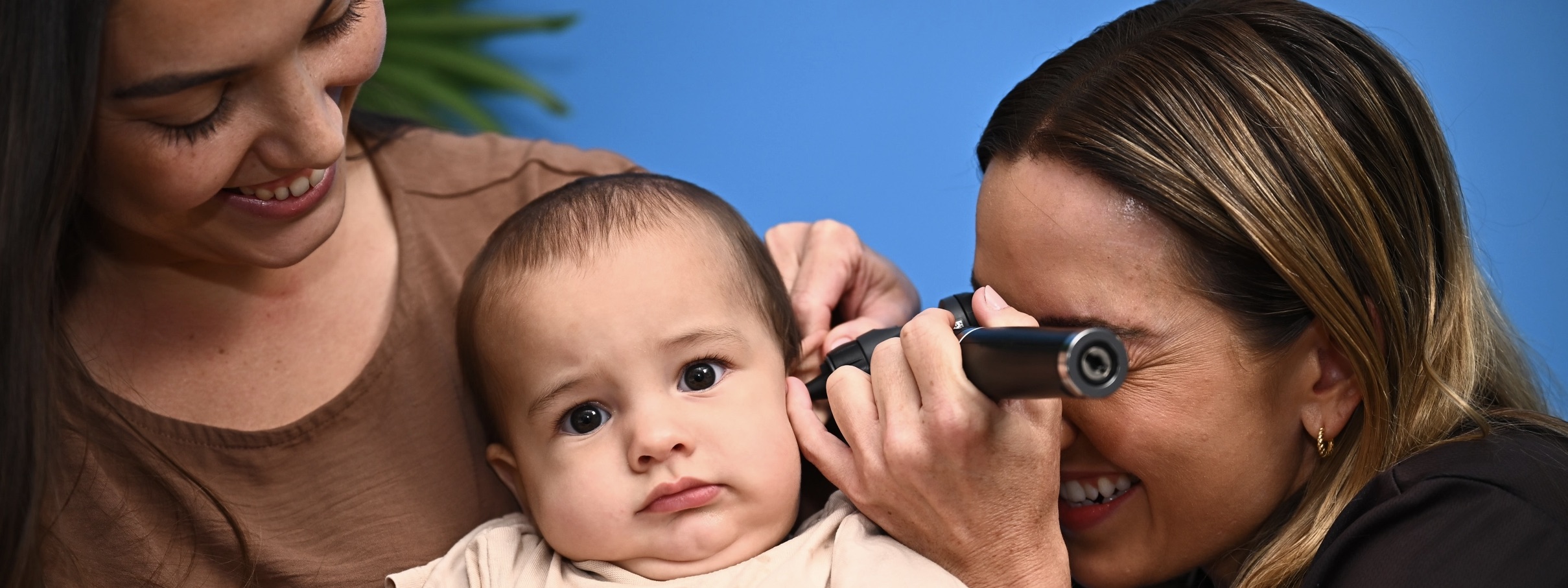
Half of First Nations children aged from birth to six in remote and very remote locations are likely to have middle ear disease – double the rate of First Nations children in metropolitan, regional and rural areas.1
The findings are based on an analysis of more than 15,000 First Nations children assessed by Hearing Australia, part of a program that has provided hearing assessments to over 50,000 First Nations children.
This NAIDOC Week Hearing Australia says this gap in hearing health outcomes highlights the ongoing challenges faced by families in remote communities, where distance and access to culturally safe services can make early detection and treatment more difficult.
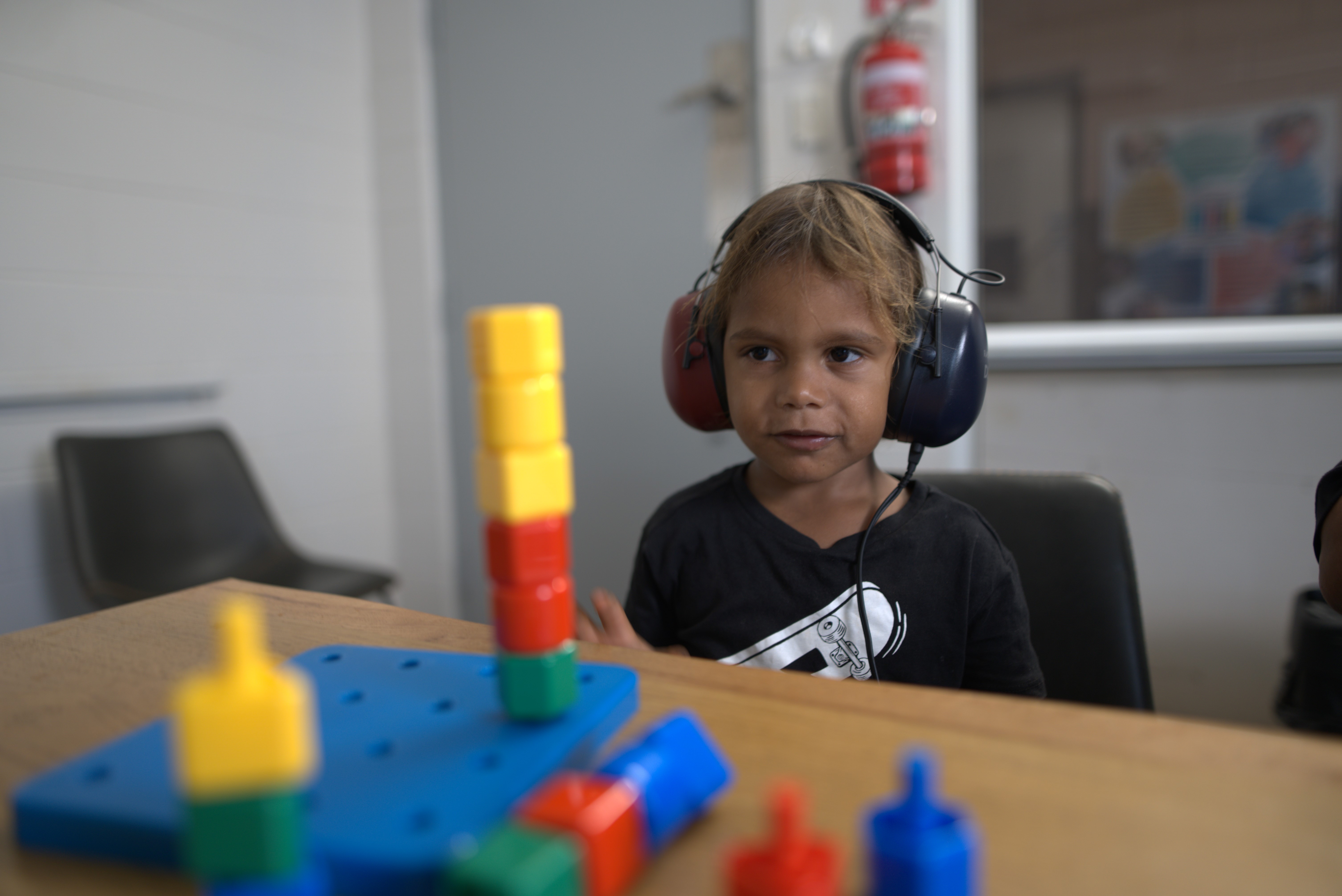
In response, Hearing Australia is working closely with First Nations communities to bring hearing care directly to where it is needed most. With highly trained audiologists visiting communities, strengthening partnerships with local services, and expanding access through outreach and telehealth.
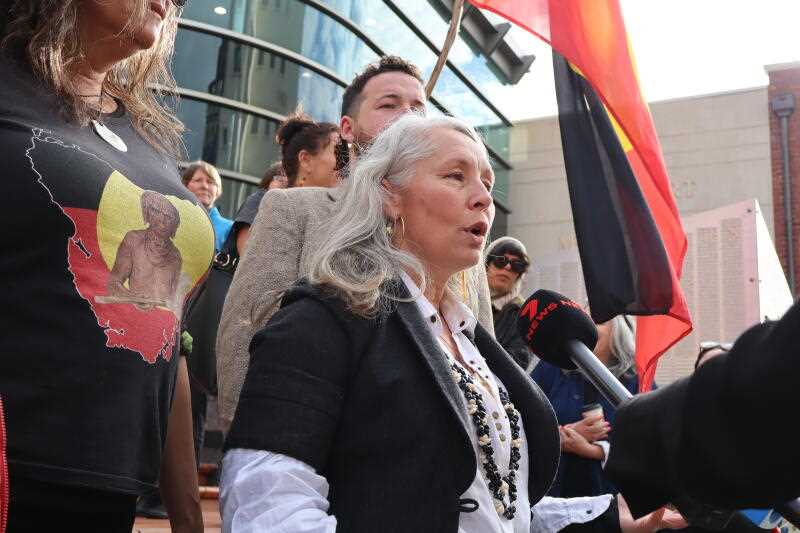
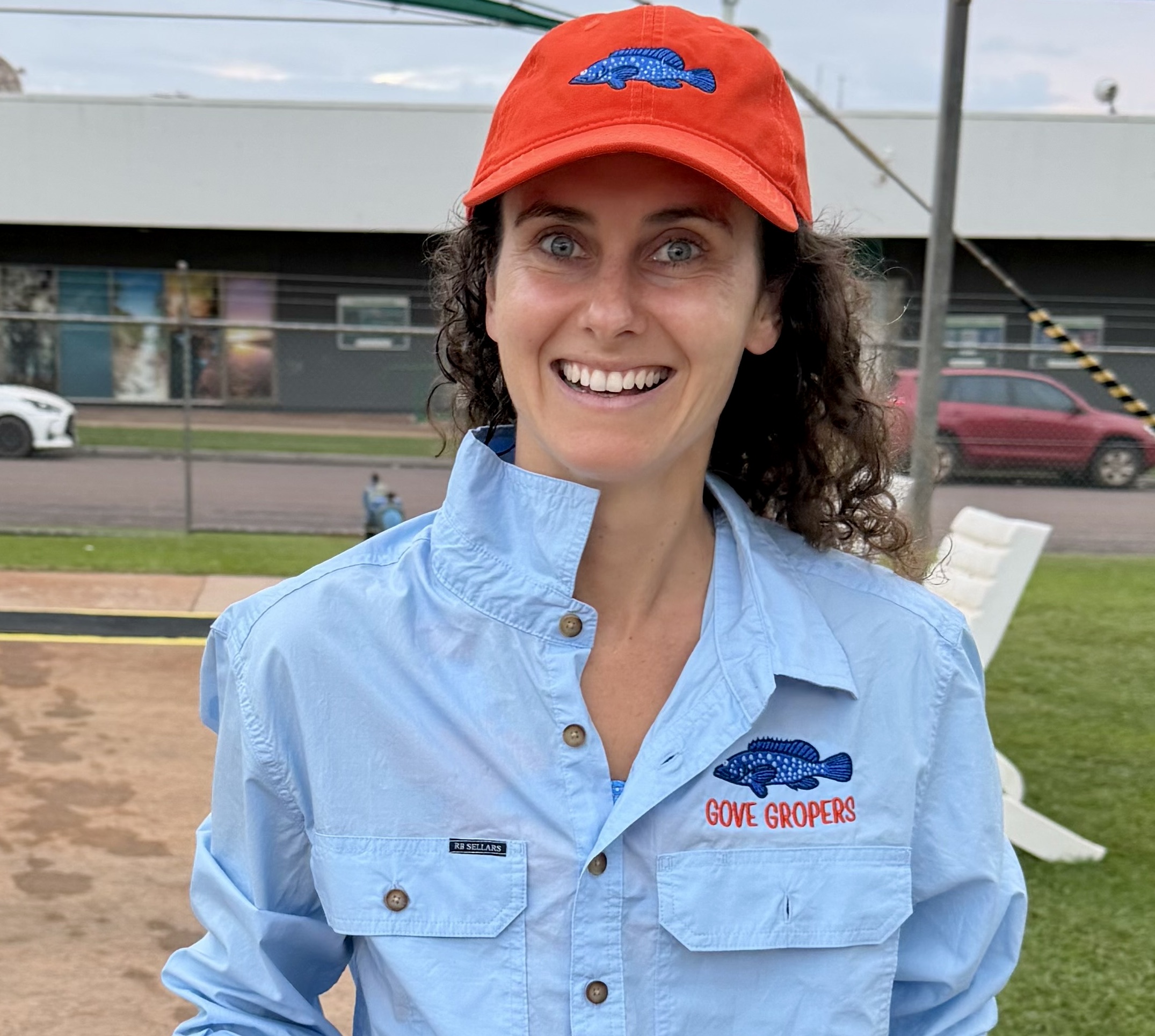
“These findings highlight the ongoing hearing health challenges that continue to disproportionately affect Aboriginal and Torres Strait Islander children, who experience some of the highest rates of otitis media (middle ear infection) globally,”Kaurna woman Anne-Marie Banfield, First Nations Strategy and Relationship Lead at Hearing Australia, said.
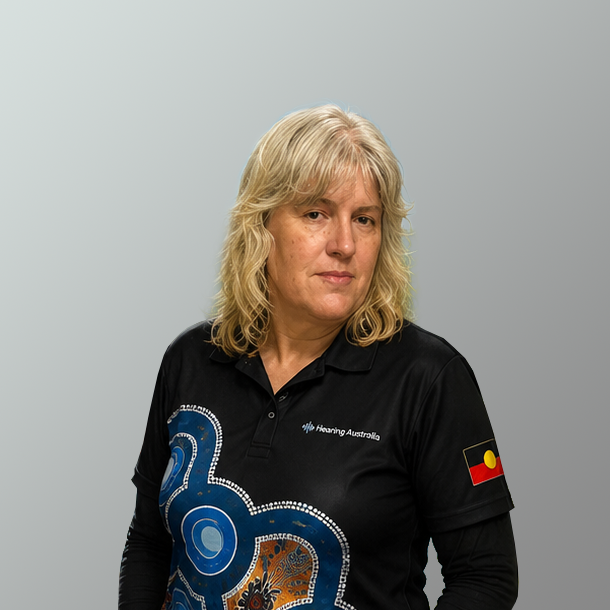
Anne-Marie Banfield, First Nations Strategy and Relationship Lead at Hearing Australia.
“Too many families, particularly in remote communities, face barriers to hearing care such as distance and a shortage of culturally safe services.”
Data from the Australian Institute of Health and Welfare (AIHW) also shows that four in ten First Nations children aged 7-14 in remote areas had measured hearing loss in 2018-19, highlighting the broader burden of ear disease across childhood in remote Australia.
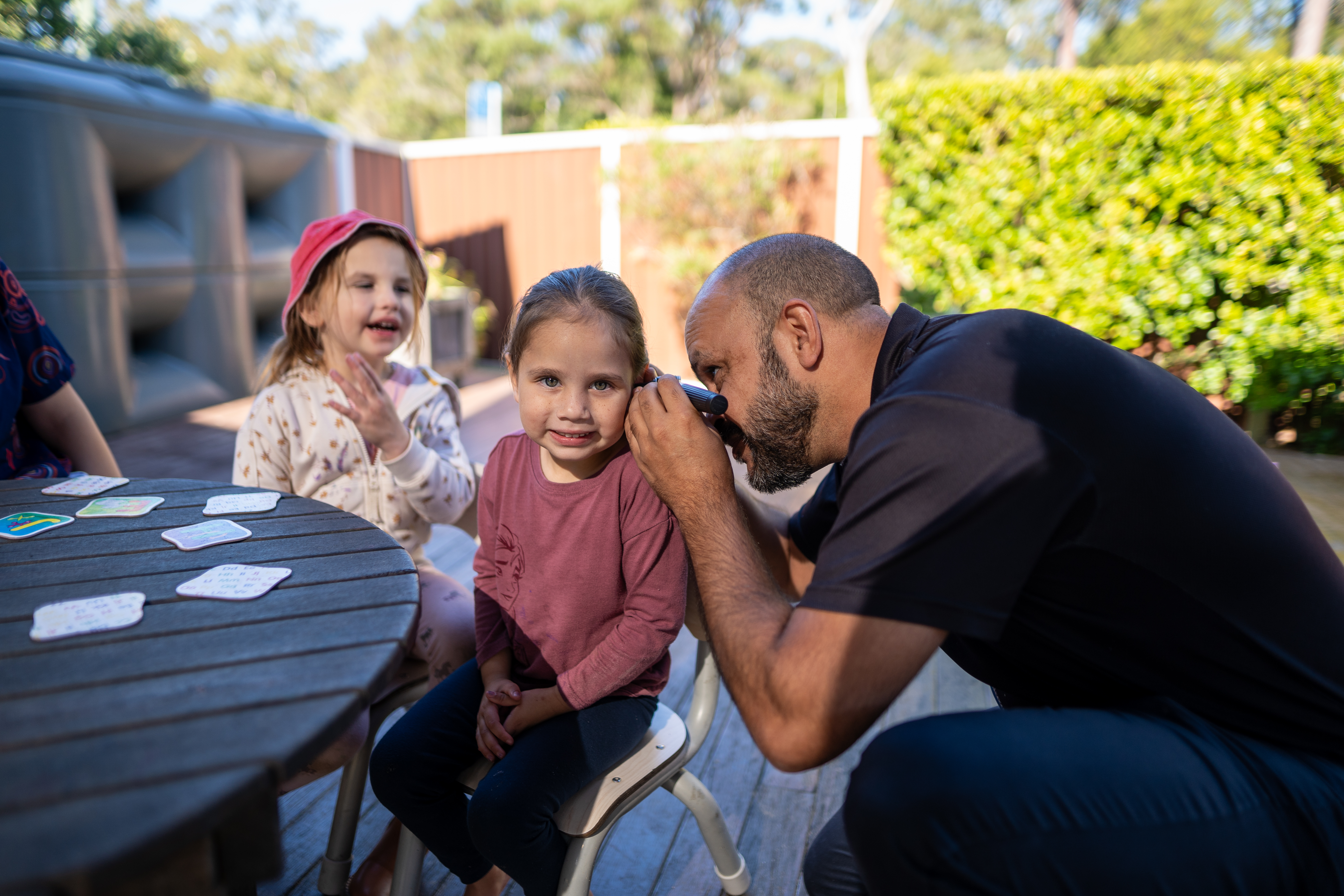
Supporting earlier detection through routine care
Early identification of ear and hearing problems is crucial, as untreated hearing loss can affect speech development, learning and social connection. Experts recommend that young Aboriginal and Torres Strait Islander children have ear health checks every six months.
Hearing Australia is working with communities and health services to bring hearing healthcare directly to the communities that need it most and to help make regular ear and hearing checks a routine part of care.
“Hearing loss can be difficult to detect, especially in young children,” Ms Banfield said. “By supporting routine checks and raising awareness among parents, caregivers and educators about ear and hearing health, we can help ensure children receive support earlier and avoid longer-term impacts.”