Indigenous activist ‘obliged to save slaughtered kin’
By ETHAN JAMES
An Aboriginal activist accused of trespassing during an anti-logging protest says she had a reasonable excuse to be there and it is her cultural obligation to protect “slaughtered kin”.
Ruth Langford was in May denied an application to have a Hobart Magistrates Court hearing moved from its regular location to a culturally significant place on Country.
The Yorta Yorta/Dja Dja Wurrung woman is fighting a trespass charge after being arrested at Snow Hill, in Tasmania’s northern midlands, in January 2025.
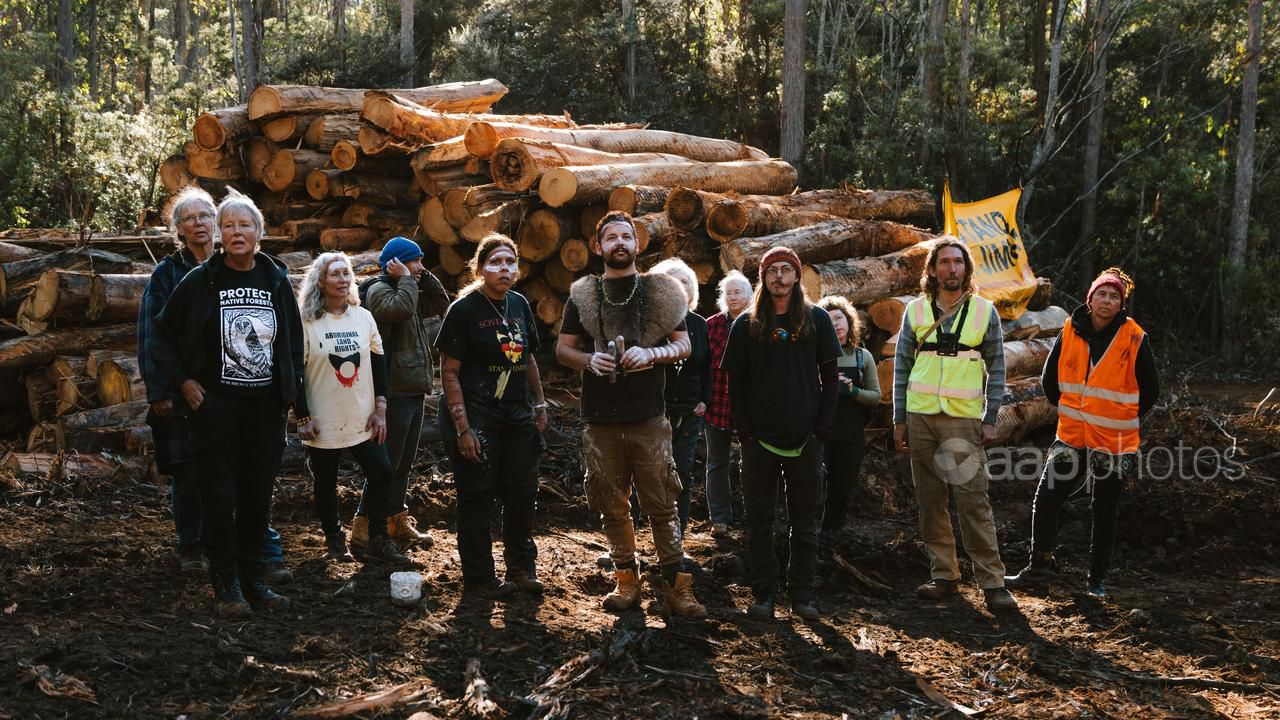
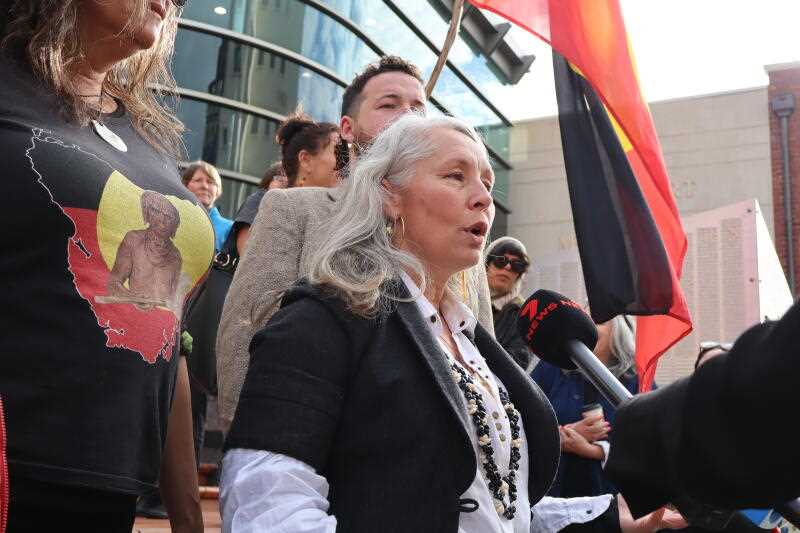
Aboriginal woman Ruth Langford was among several activists protesting against logging in Tasmania.
Ms Langford gave evidence on Wednesday, saying she was inspired by her mother and other First Nations resistance fighters who were part of the Franklin River campaign in the 1980s.
The campaign resulted in a landmark High Court ruling and the prevention of a hydro-electric dam.
Ms Langford, who earlier pleaded not guilty, said she had reasonable excuse for being on the land and Aboriginal peoples’ connection to nature wasn’t defined by forestry coupes.
“I was in the forest because … of my cultural obligation that has been shown through generations,” the 55-year-old said.
Trees play an important role in helping Aboriginal young people
“I must do everything possible to protect these lands and our slaughtered kin. We need whole cultural landscapes protected.”
Ms Langford said she had first-hand experience of trees playing an important role in helping Aboriginal young people better deal with rage and intergenerational trauma.
At a previous hearing, Langford interrogated workers from Sustainable Timber Tasmania – the state-owned forestry company that was undertaking work where she was arrested.
Sustainable Timber Tasmania operations manager David White, who certified the area for forestry, said required Aboriginal heritage assessments had been undertaken.
He also told the court his knowledge of various Aboriginal cultural practices was limited, but he had undergone training in relation to Indigenous heritage.
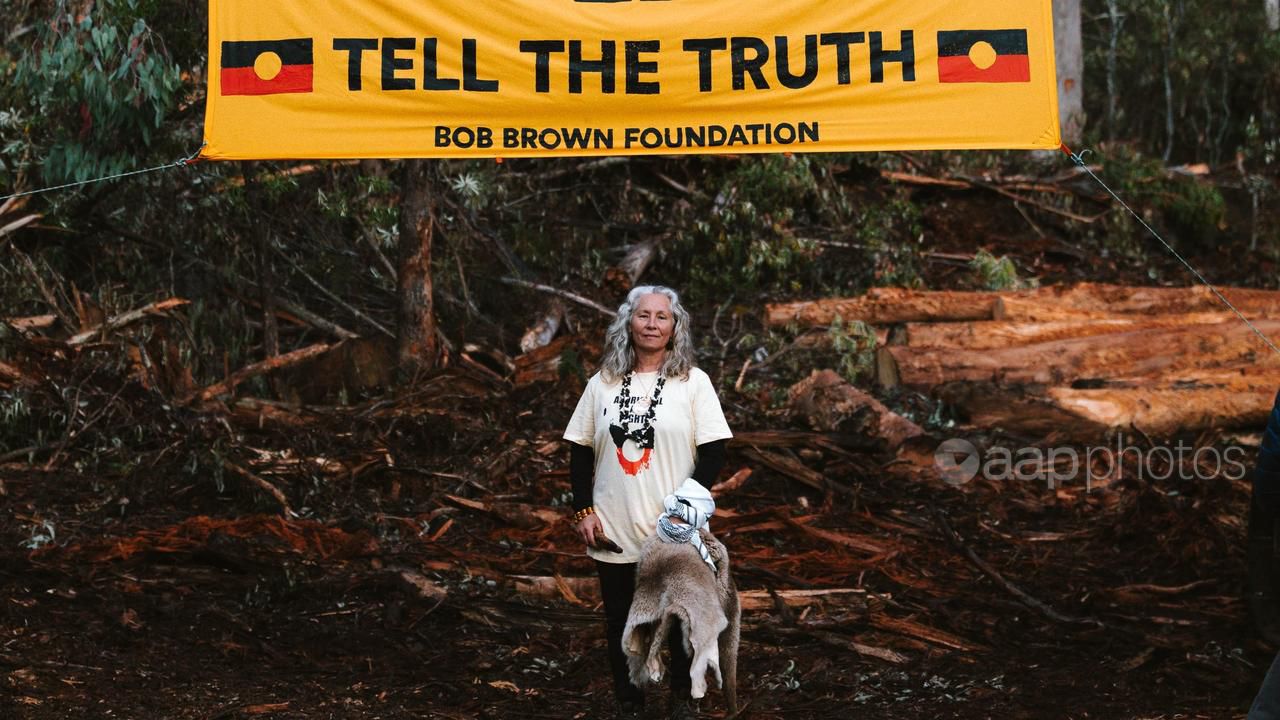
Ruth Langford takes inspiration from activists who led the Franklin River campaign in the 1980s.
Police body-worn camera footage was playing in court showing Langford refusing to leave the area.
Ms Langford had applied for the entire hearing to be held on Country at the site of a massacre of Aboriginal people in Hobart.
But Magistrate Catherine Geason said the matter could be properly assessed in the court building, but there may be an appropriate scenario for on Country hearings in the future.
Ms Geason will deliver her decision on Langford’s guilt at a later date.
aap