Community buy-in boosts jabs for Indigenous kids
By FARID FARID
Better transport, shorter wait times and cultural safety are all factors in improving immunisation rates for First Nations children, a study has found.
National figures from 2024 show coverage for Aboriginal and Torres Strait Islander children is close to the 95 per cent target associated with herd immunity by age five.
But it falls short of earlier milestones, mirroring a worrying national trend.
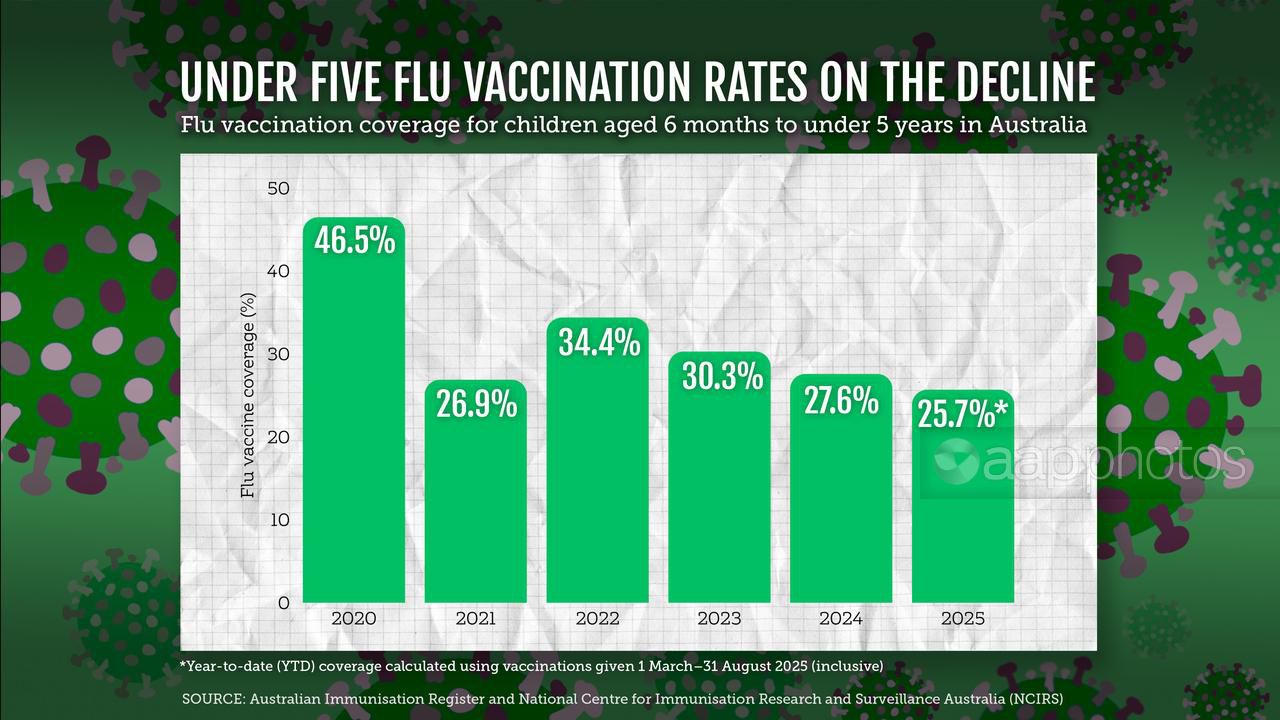
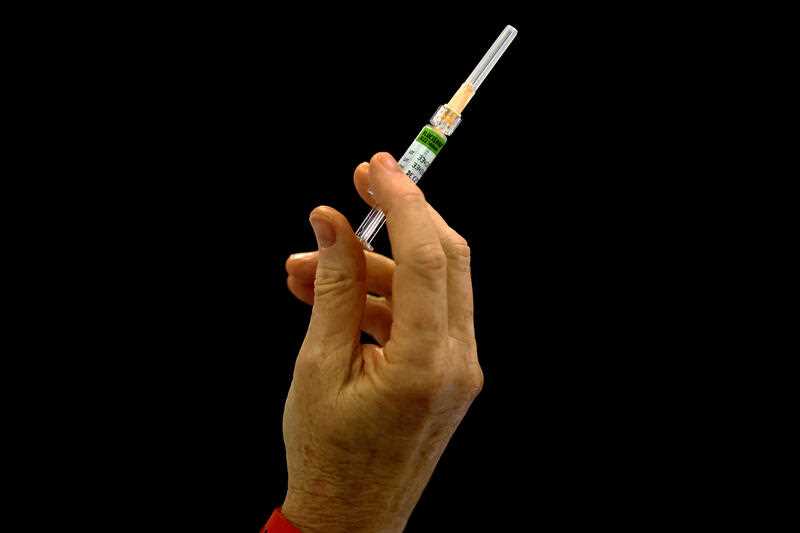
Influenza vaccination coverage for children aged six months to under five years in Australia. (Susie Dodds/AAP PHOTOS)
A clinical study has found 90.13 per cent of Aboriginal and Torres Strait Islander children are fully vaccinated aged one and only 88.03 per cent at two years of age.
Researchers at the University of Queensland examined more than a decade of data to identify ways to strengthen vaccination coverage among the vulnerable group.
Study co-author Cindy Tyson said the review found successful programs are built on strong community involvement, culturally safe services and a visible First Nations health workforce.
Community ownership
“Programs work best when they are responsive to the communities they serve,” the First Nations midwife and advanced health worker said.
“Improving access to healthcare, such as more flexible services and bringing care closer to families, can make a real difference.”
The peer-reviewed article was published in the latest issue of the Australian Journal of Primary Health.
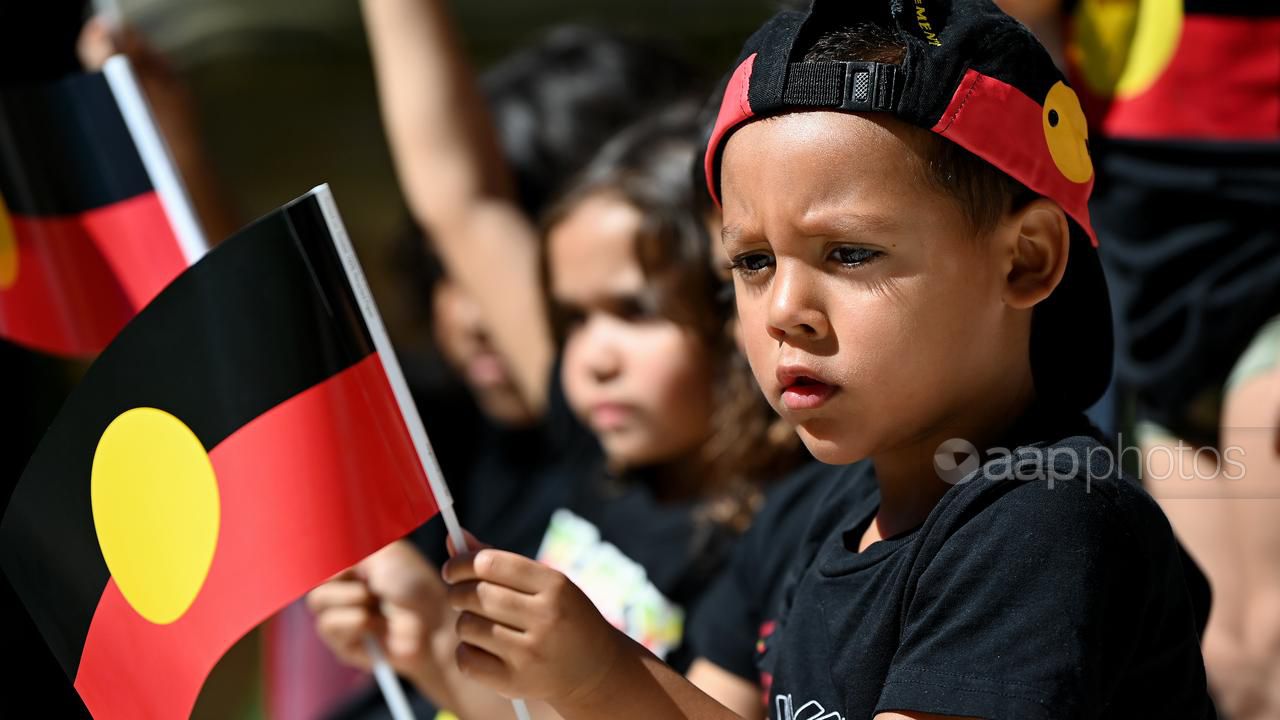
There has been a decline in immunisation for Indigenous children since COVID-19. (Bianca De Marchi/AAP PHOTOS)
It emphasised how community ownership and more First Nations health workers could drive improved coverage.
Associate Professor Paul Gardiner from UQ’s School of Public Health said declining vaccination rates raise concerns about preventable diseases.
“We’ve seen a downward trend in childhood immunisation coverage since the pandemic,” Dr Gardiner said.
“If early gaps aren’t addressed, it risks undoing years of positive progress.”
Clara Walker, one of the study’s co-authors, explained successful vaccination programs are built on access to services combined with health workers that understand the community’s needs.
“Transport, clinic availability, wait times and how culturally safe a service feels all play a major role,” the PhD candidate said.
“This isn’t about people rejecting vaccines – it’s about the practical and cultural barriers families face,” Ms Walker said.
aap