Daily news digest June 15
Indigenous news stories in Australia today focus on significant developments in land conservation, major resource agreements, procurement policy integrity, and state-level land rights friction.
New Arnhem Land Protected Area Dedicated:
Traditional Owners near Bulman are celebrating the formal dedication of south-central Arnhem Land’s newest Indigenous Protected Area (IPA). IPAs allow Indigenous groups to manage their ancestral lands for conservation using a blend of traditional knowledge and modern science, providing vital local employment and protecting cultural heritage sites.
Fortescue Signs Landmark Co-Management Deal with PKKP Owners:
Mining giant Fortescue announced new agreements with the Puutu Kunti Kurrama and Pinikura (PKKP) Traditional Owners in Western Australia’s Pilbara region. The arrangements introduce a co-management framework to increase PKKP involvement in early decision-making around mining activity planning, enhancing cultural heritage protection while preserving operational workflows.
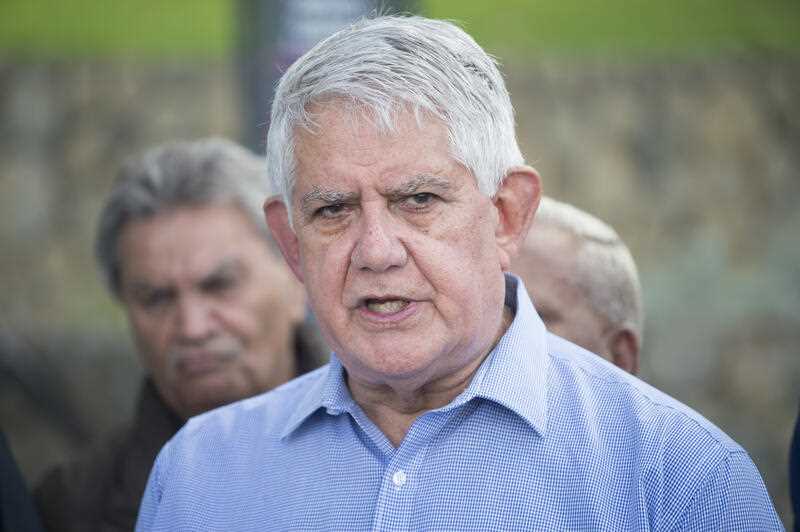
Ken Wyatt Calls to Shut Down Procurement Policy:
Former Aboriginal Affairs Minister Ken Wyatt has called for the federal Indigenous Procurement Policy to be shut down if “black cladding” rorts are not fixed. Wyatt warned that legitimate Aboriginal-owned enterprises are consistently losing critical Commonwealth contracts to opportunistic joint ventures established purely to meet Indigenous ownership quotas.
NSW Land Council Pauses Government Cooperation:
The New South Wales Aboriginal Land Council (NSWALC) has officially paused its participation in joint government decision-making and Closing the Gap forums. The temporary boycott is a protest against the Crown Land Management Amendment Bill 2026. NSWALC fears the changes could dismantle decades of hard-won land rights progress, despite the state government claiming the adjustments are minor and procedural.
Push for Earlier Stroke Screening:
Medical researchers published new recommendations in the Medical Journal of Australia, urging healthcare providers to implement earlier screening for atrial fibrillation among First Nations adults. Proactive detection of this common heart rhythm disorder is being promoted as a vital, preventive mechanism to lower higher-than-average stroke rates within the Indigenous community.