2026 Census expands Indigenous languages, boosts remote engagement
The 2026 Census will widen its collection of Aboriginal and Torres Strait Islander language data and intensify outreach across cities and remote communities, with an extended completion window in remote areas and expanded on-the-ground support.
Data will be collected on more Aboriginal and Torres Strait Islander languages than ever before during the 2026 Census. In a considerable increase, the census will capture information on an additional 45 Aboriginal and Torres Strait Islander languages, bringing the total to almost 200 across the country.
The Australian Bureau of Statistics (ABS) has positioned this expanded language focus alongside a suite of engagement initiatives designed to improve participation and accuracy.
Key Points
- Data to be collected on 45 additional Indigenous languages
- Nearly 200 Aboriginal and Torres Strait Islander languages counted
- Census night is Tuesday August 11, 2026
- Remote areas have July to September completion window
- Radio ads delivered in nine First Languages nationwide
- Engagement teams active in cities and remote communities
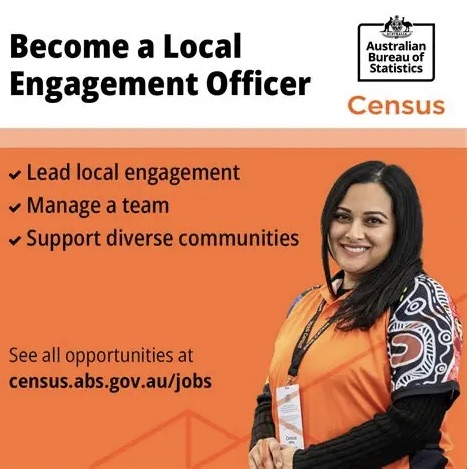
First Nations engagement teams will be present in cities and in areas including Darwin and the Tiwi Islands, the APY Lands and the Torres Strait. The ABS has outlined that community facilitators and field officers with local language skills will be on the ground to assist. Recruitment measures have been put in place, with ABS staff to again conduct face-to-face assistance in communities in 2026.
The ABS says it is prioritising engagement with Aboriginal and Torres Strait Islander people and communities in culturally-safe ways, ensuring early engagement and informed understanding about the census. Ahead of the Census, information sessions, pop-up hubs, and resources delivered by local councils, community groups, organisations and more will facilitate assistance events. Radio ads will also be delivered in nine First Languages across the country, adding to early and localised awareness efforts.
These measures follow efforts with the ABS Roundtable on Aboriginal and Torres Strait Islander Statistics and the Center of Aboriginal and Torres Strait Islander Statistics ahead of the national survey. In part, this work has been directed at addressing previous undercounts of Indigenous people, identified by ABS staff as among the Bureau’s highest data collection priorities. The ABS has also acknowledged the likelihood of survey fatigue among some First Nations people, and that some communities are over‑surveyed.
Timeline, participation, and on-the-ground support
The 2026 Census will be held on Tuesday August 11. As in 2021, households will receive instructions from late July and can begin filling out documentation as soon as it arrives. In addition to hard copies, this year’s Census can also be filled out online. People in remote areas will have an extended period to participate, with a block between July and September to complete the survey. The ABS has said specialist strategies are available for those who need assistance filling in the census.
To support participation, the ABS will deploy multiple forms of direct engagement and assistance before and during the collection period, including:
- First Nations engagement teams across cities and in Darwin, the Tiwi Islands, the APY Lands and the Torres Strait
- Community facilitators and field officers with local language skills on the ground
- Face-to-face assistance in communities, as in 2021
- Information sessions and pop-up hubs led with local councils, community groups, organisations and more
- Radio ads in nine First Languages to raise awareness and support understanding
The census is Australia’s largest data collection event, taking place every five years. The public is asked for information about their household and its residents, employment and income, cultural identity and ancestry, education, health and more. Efforts are made to have every person counted, including those in transit, away from home, homeless, in hospitals and in prisons.