Human Rights Commission urges digital duty of care after racist video
Australia’s human rights watchdog has called for a digital duty of care amid mounting reports that algorithm-driven online racism is harming the mental health of Aboriginal and Torres Strait Islander people.
The demand follows backlash to a viral video widely condemned as mocking First Nations culture and identity, which Meta removed after nine days.
Key Points
- Australian Human Rights Commission urges a digital duty of care for platforms
- Federal inquiry received more than 420 submissions on racism and violence
- Viral ‘Aunty Lisa’ video removed by Meta after nine days online
- First Nations creators report algorithmic amplification of racist abuse
- Townsville-based support group cites intimidation and community division
- Lisa Jane Spencer says skit is satire; later fired and crowdfunded
Australia’s human rights watchdog has called for a digital duty of care amid mounting reports that algorithm-driven online racism is harming the mental health of Aboriginal and Torres Strait Islander people. The demand follows backlash to a viral video widely condemned as mocking First Nations culture and identity, which Meta removed after nine days.
Inquiry hears rise in online racism
Online racism is growing, fuelled by social media algorithms that reward divisive content, according to submissions to a federal parliamentary inquiry into racism, hate and violence directed at Aboriginal and Torres Strait Islander peoples. The inquiry received more than 420 submissions, many describing an increasingly toxic environment.
In its submission, the Australian Human Rights Commission recommended government mandate a digital duty of care requiring platforms to identify, assess and mitigate foreseeable risks stemming from recommender systems and monetisation practices that incentivise the amplification and normalisation of racist narratives.
Townsville-based support group Helping Our Mob Everywhere (Home), established by Carl Lymburner and Irene Leard, reported a rise in offensive content targeting First Nations organisations, groups and individuals, including elders. Leard said she hears accounts of racism daily from those she supports, and that such narratives contribute to intimidation and community division.
“These narratives create real-world harm, intimidation, threats and community division,” Ms Leard said.
Viral video condemned; platforms respond
Over the past week and a half, feeds of many Aboriginal and Torres Strait Islander people were flooded with clips from a video by Victorian woman Lisa Jane Spencer. In it, a white woman wearing a fur coat and white dot painting calls herself “Aunty Lisa,” claims she is Aboriginal after ticking yes on an identity form, then concludes, “I am Aboriginal, end of story,” before sniffing a red jerry can — a reference to petrol sniffing, a serious issue affecting some Indigenous communities.
The video drew strong criticism for mocking First Nations culture and identity and for perpetuating racist stereotypes. Spencer defended the clip as a “satirical skit,” saying “there should be no limits with comedy in terms of who and what someone can make fun of”. She compared it to the character Aunty Tiffany on ABC’s Black Comedy — a program written and created by and for Indigenous Australians — and to characters by comedian Chris Lilley. Asked whether she targeted algorithms, she said: “no. I make comedy that I love and find funny”.
Kamilaroi content creator Jordan Hindmarsh-Keevil, known to more than 80k Instagram followers as Your Online Brother, said the video’s timing at the end of Reconciliation Week was deliberate and harmful. He also said Spencer later posted another video mocking a welcome to country, with more jerry cans featured.
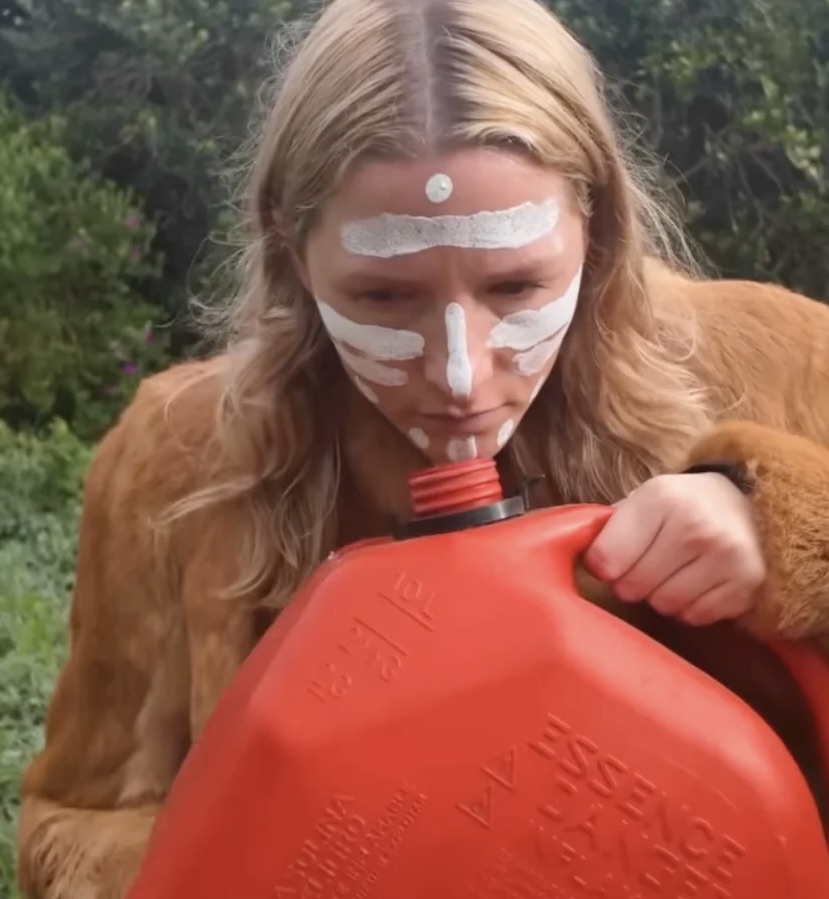
The clip was online for nine days before Meta removed it from Facebook and Instagram for breaching community standards on hateful conduct.
Meta said it recognises First Nations communities can be disproportionately targeted by online hate and that it prohibits attacks based on protected characteristics, including race and ethnicity. The company said it engages with First Nations communities and others to better understand racism online, improve systems, and encourages users to report abuse.
After the video went viral, Spencer said on Instagram she was “fired on the spot” because her employer did not support or endorse content “inconsistent with our values”.
Since then, more than $49,000 has been raised for her via GiveSendGo, a Christian-focused crowdfunding platform whose terms state fundraisers that are racist, hateful, potentially libellous, support or promote physical violence, or financially benefit individuals for violent crimes are not permitted.