Qld government accused of ‘project invisibility’
The Queensland government is facing allegations of a covert agenda to reduce First Nations roles and influence in the public sector.
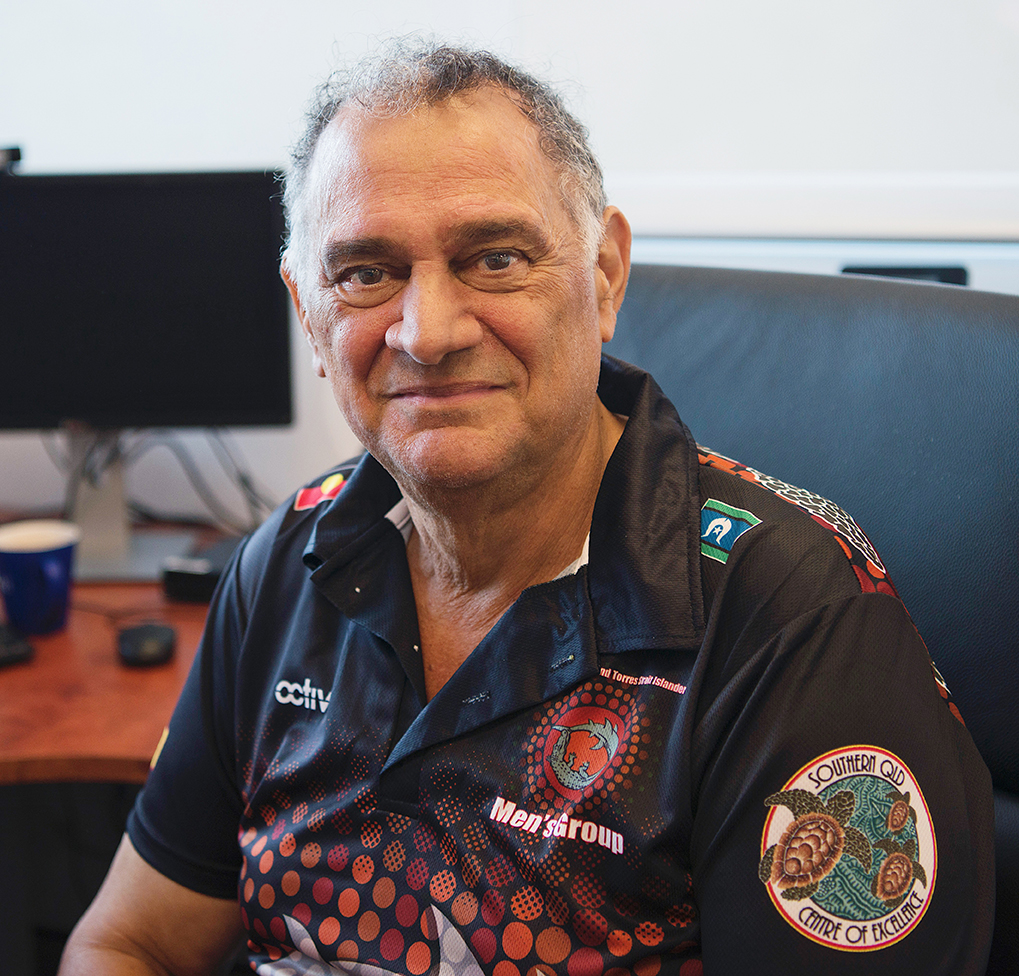
The claims, levelled by prominent Indigenous barrister Joshua Creamer, centre on what public servants have reportedly dubbed “project invisibility”. The government has rejected the characterisation, saying funds are being redirected to practical, locally led initiatives.
Key Points
- Barrister Joshua Creamer alleges a covert ‘project invisibility’ targeting Indigenous roles
- Creamer was sacked as head of Queensland’s truth-telling and healing inquiry
- Examples include board changes, program defunding, and policy reversals
- Government cites locally led investment and Closing the Gap priorities
- Natalie Lewis was not reappointed to the QFCC after a six-year term
- Report recommends ending last-resort adoption principle for Indigenous children
- Labor’s Leeanne Enoch says outcomes make First Nations voices less visible
Allegations of a coordinated purge
Mr Creamer has accused the government led by David Crisafulli of implementing an “organised strategy” to eliminate, remove and reduce Indigenous people’s roles within government institutions and decision-making.
He was sacked as head of the state’s truth-telling and healing inquiry in the Crisafulli government’s first act in government, on its first general sitting day of parliament. Creamer said the government had removed a series of Aboriginal Queenslanders from state government boards and removed Black voices from policy-making.
He cited several examples, including the removal of contemporary artist Bianca Beetson and musician David Williams from the boards of state cultural organisations. He also pointed to the resignation of prominent barrister Avelina Tarrago from the Legal Aid Board, and the appointment of Darren Robinson, a former detective who was criticised for his role in investigating the 2004 Aboriginal death in custody on Palm Island.
“There’s an organised strategy and that is to ultimately eliminate, remove, reduce the Indigenous affairs, Indigenous initiatives, Indigenous voices,” Mr Creamer said.
Moves and policy decisions under scrutiny
Since the LNP came to power, a range of decisions and proposals have drawn criticism from Indigenous leaders and community members. The following actions have been cited by critics and advocates:
- A number of Aboriginal programs and strategies have also been defunded, such as Murri Watch
- The government attempted (before backflipping) to implement a blanket policy to contest all new native title claims
- It overturned a decision to name the state’s newest theatre for Indigenous poet Oodgeroo Noonuccal
- The government passed legislation to exempt its Olympics venues from cultural heritage law
- The government has been accused of a cull of protected dingos on K’gari without consultation with Indigenous owners, required by the island’s native title claim
- The LNP has asked for a number of state electorates to be stripped of First Nations names
- The Indigenous community has also questioned continuing representation in the Education and Health departments including changes to the role of the chief First Nations health officer
Within the child protection domain, a report by lawyer Paul Anastassiou was released last week and recommended ending the principle that adoption is a last resort for Indigenous children, a position made against the urging of numerous Aboriginal organisations.
A spokesperson for the Crisafulli government rejected the characterisation of a purge, saying the administration’s approach has focused on directing resources to outcomes in discrete communities through a targeted fund. The government cited infrastructure investments, housing and education support as evidence of its priorities for Aboriginal and Torres Strait Islander communities.
“The Crisafulli government is investing in critical infrastructure projects such as restoring clean drinking water supply to Woorabinda, delivering housing and increased home ownership opportunities across Indigenous communities, and supporting education programs such as the Buwu education program in Cherbourg,” a spokesperson for the government said.