Indigenous leaders seek Caring for Country commissioner
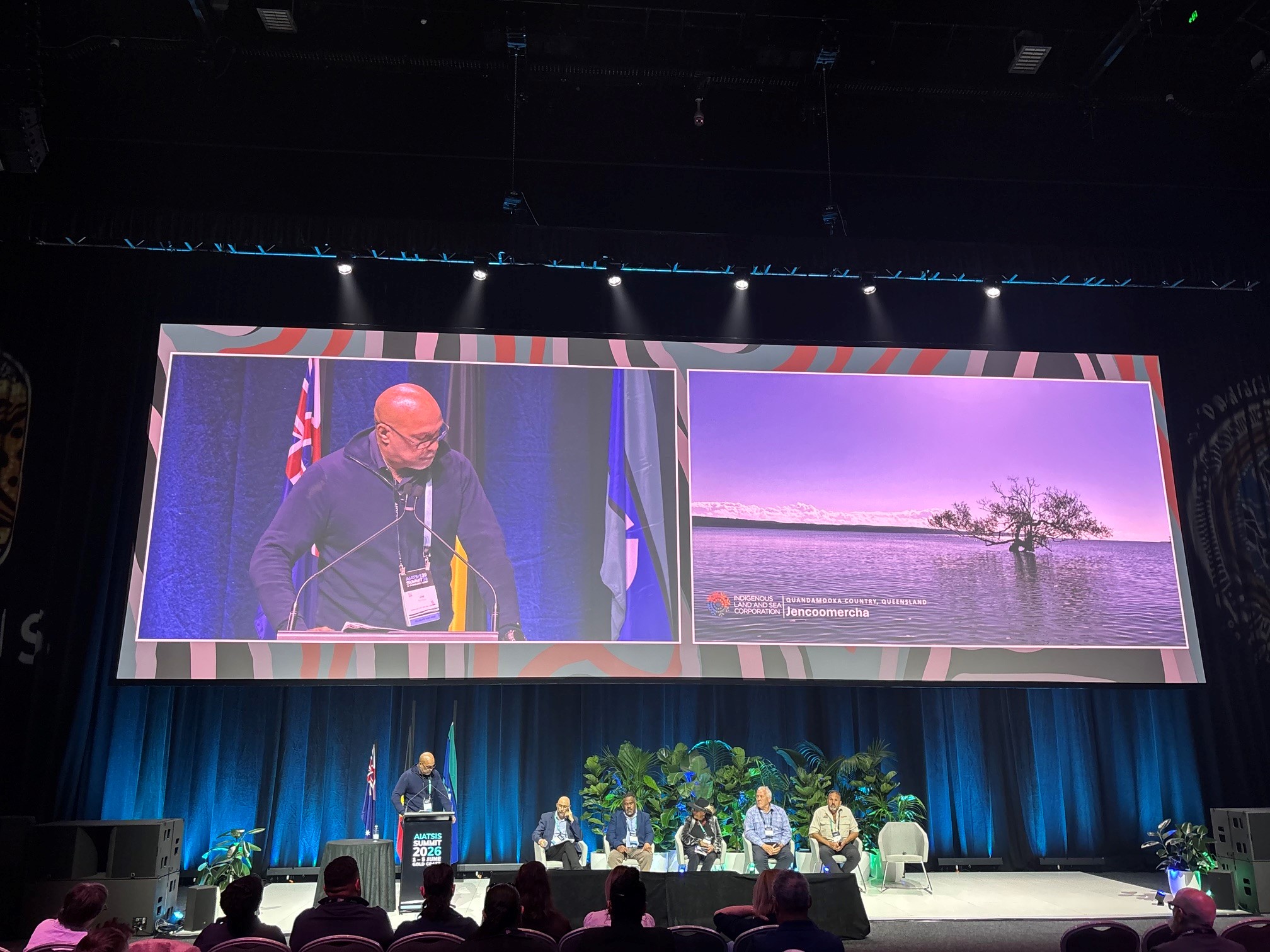
Indigenous leaders at the 2026 AIATSIS Summit on the Gold Coast, Queensland (Yugambeh Country), have proposed a national framework to embed Indigenous leadership in land and sea management through a Caring for Country Commissioner and a dedicated national body.
The initiative seeks to formalise and support the growing Caring for Country sector across Australia.
Key Points
- Proposal unveiled at 2026 AIATSIS Summit on Yugambeh Country
- Plan explores a Caring for Country Commissioner and national body
- Framework aims to centre Indigenous leadership in land and sea management
- Indigenous interests recognised across 57 per cent of the nation cited
- Proposal aligned with net-zero 2050 and 2035 targets
- Workshop with stakeholders to develop framework during Summit week
- Leaders highlight coordination, resourcing and policy design benefits
Proposal unveiled and objectives
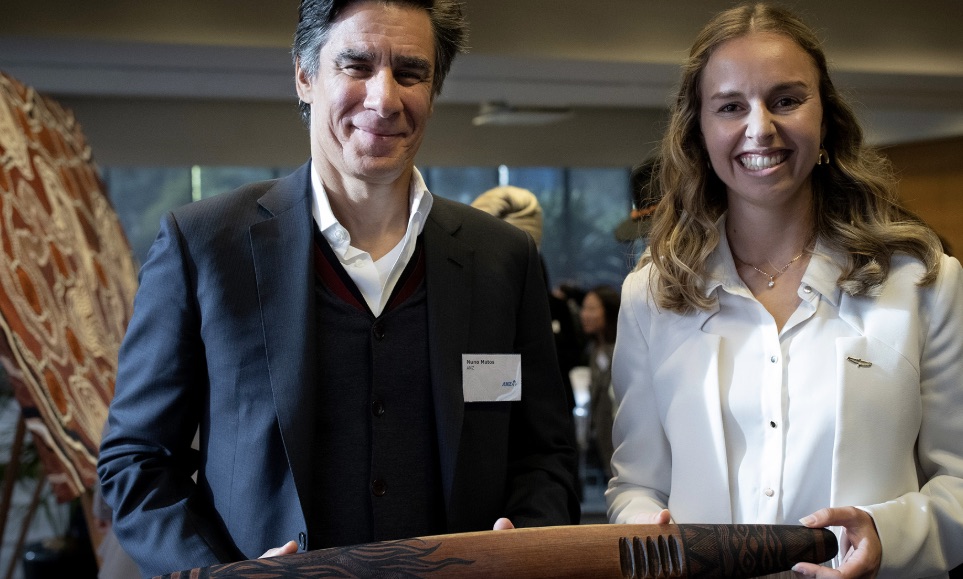
Indigenous Land and Sea Corporation (ILSC) Group Chief Executive Officer Joe Morrison, alongside Mr Ian Hamm, Mr Rodney Dillon, Mr Richard Swain, Ms Suzanne Thompson and Mr Barry Hunter, unveiled the proposal to explore establishing an Indigenous-led national framework, a statutory Commissioner, and a dedicated national body.
The proposal will be further developed during a dedicated workshop with key stakeholders led by the ILSC throughout the week of the AIATSIS Summit.
The initiative frames Caring for Country as an industry grounded in the traditional cultural knowledge and practices of Australia’s First peoples. With Indigenous land and water interests now formally recognised across 57 per cent of the nation, the proponents argue that a more accountable, legitimate and coordinated approach to land and sea management is necessary for Indigenous communities and for Australia as a whole.
“Indigenous peoples and Country are inextricably linked, and Australia is in need of an Indigenous-led approach that respects the cultural authority of those who have cared for this Country for more than 65,000 years,” Joe Morrison, ILSC group chief executive said.
The proposal, which was received by conference-goers and media, aims to strengthen coordination, provide consistent engagement across jurisdictions, and support program design informed by Indigenous knowledge systems.
- Create an independent, statutory Caring for Country Commissioner
- Establish a dedicated national body for Indigenous-led coordination
- Develop an Indigenous-led national framework for land and sea management
- Improve coordination, resourcing and engagement with all levels of government
- Support action to protect the environment and reduce biodiversity loss
- Strengthen legislative, policy and program design informed by Indigenous knowledge
The commitment includes halting biodiversity loss across the Country. The bolstering of the carbon market through legislative amendments and the introduction of the Nature Repair Market were cited as sharpening focus across sectors, including among Indigenous land and sea managers, governments, corporate entities, environmentalists and philanthropic investors.
The announcement underscores the connection between Australia’s First peoples and Country, arguing that Indigenous expertise must drive environmental resilience and long-term stewardship.
It states that achieving the climate adaptation agenda is not possible without formal recognition and a compact with Indigenous Australians. In this context, an independent statutory office holder and national body are presented as mechanisms to improve coordination, resourcing and engagement between Indigenous peoples and Commonwealth, State and Territory governments, while protecting the environment, reducing biodiversity loss and ensuring that legislation, policy and program designs are informed by Indigenous knowledge.
According to the proposal, these structures would enable a consistent national approach to land and sea management that aligns with climate and biodiversity objectives while recognising Traditional Cultural Authority. The Summit platform was used to emphasise that Indigenous leadership should be integral to the governance and practical delivery of environmental outcomes.
Stakeholder perspectives and next steps
Mr Morrison said the corporation’s role in the initiative was to convene Indigenous leaders and contribute evidence, insight and long-term perspective, rather than to act as an advocate. He framed the proposed national body as a step toward self-determination linked to longstanding connections with Country and reinforced the need for Indigenous-led approaches to environmental governance.
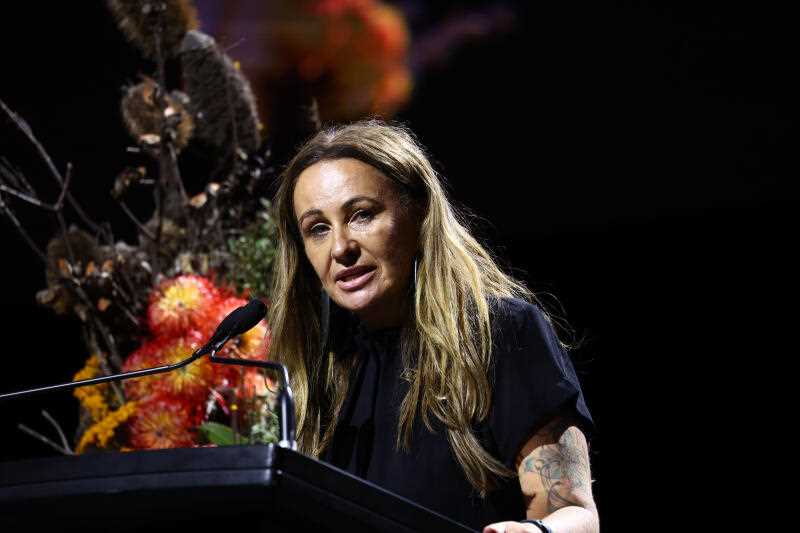
“The power of a national advocate such as a Commissioner for Indigenous-led caring for Country methods and practices lies in restoring Traditional Cultural Authority to the centre of decisions about how Country is managed, governed, and protected,” Suzanne Thompson, Indigenous Carbon Industry Network Director, said.
“By embedding cultural governance systems and recognising the authority of Traditional Custodians, we can strengthen approaches to caring for Country that are grounded in generations of knowledge and responsibility.
“Through genuine two-way knowledge sharing, we can enhance our collective response to climate change, biodiversity loss, and environmental stewardship while honouring the wisdom of our ancestors and ensuring it continues to inform contemporary policy, practice, and decision-making for future generations”.
Role of Indigenous Rangers
North Australian Indigenous Land and Sea Management Alliance Chief Executive Officer Barry Hunter expressed support for the concept of a national body and statutory office, highlighting the need to coordinate and bring greater cohesion to investment and program design for Caring for Country activities.
He emphasised the central role of Indigenous Rangers in protecting and repairing biodiversity, preventing disasters and reducing the impact of climate change, and signalled a willingness to work with the Australian Government and partners to advance the proposal.
Richard Swain, First Nations Ambassador at the Invasive Species Council, drew attention to the concentration of threatened species on land managed by Indigenous people and positioned the proposal as a chance to elevate First Nations voices and protect Country and culture from invasive species.
AIATSIS Council Member Rodney Dillon linked the initiative to opportunities in the emerging green economy, stating that cultural rights and practices underpin healthy Country and that two-way knowledge sharing and shared approaches to land and sea management align with the nation’s future.