Tony Albert reclaims ‘Aboriginalia’ at MCA Australia
Tony Albert: Not a Souvenir has opened at the Museum of Contemporary Art Australia in Sydney, sohowcasing the artist’s decades‑long project to confront the souvenir trade’s misrepresentation of Aboriginal peoples while asserting survival, resistance and cultural pride.
Guest curated by Bruce Johnson McLean (Wierdi people), Tony Albert: Not a Souvenir presents more than 150 works from public and private collections nationwide.
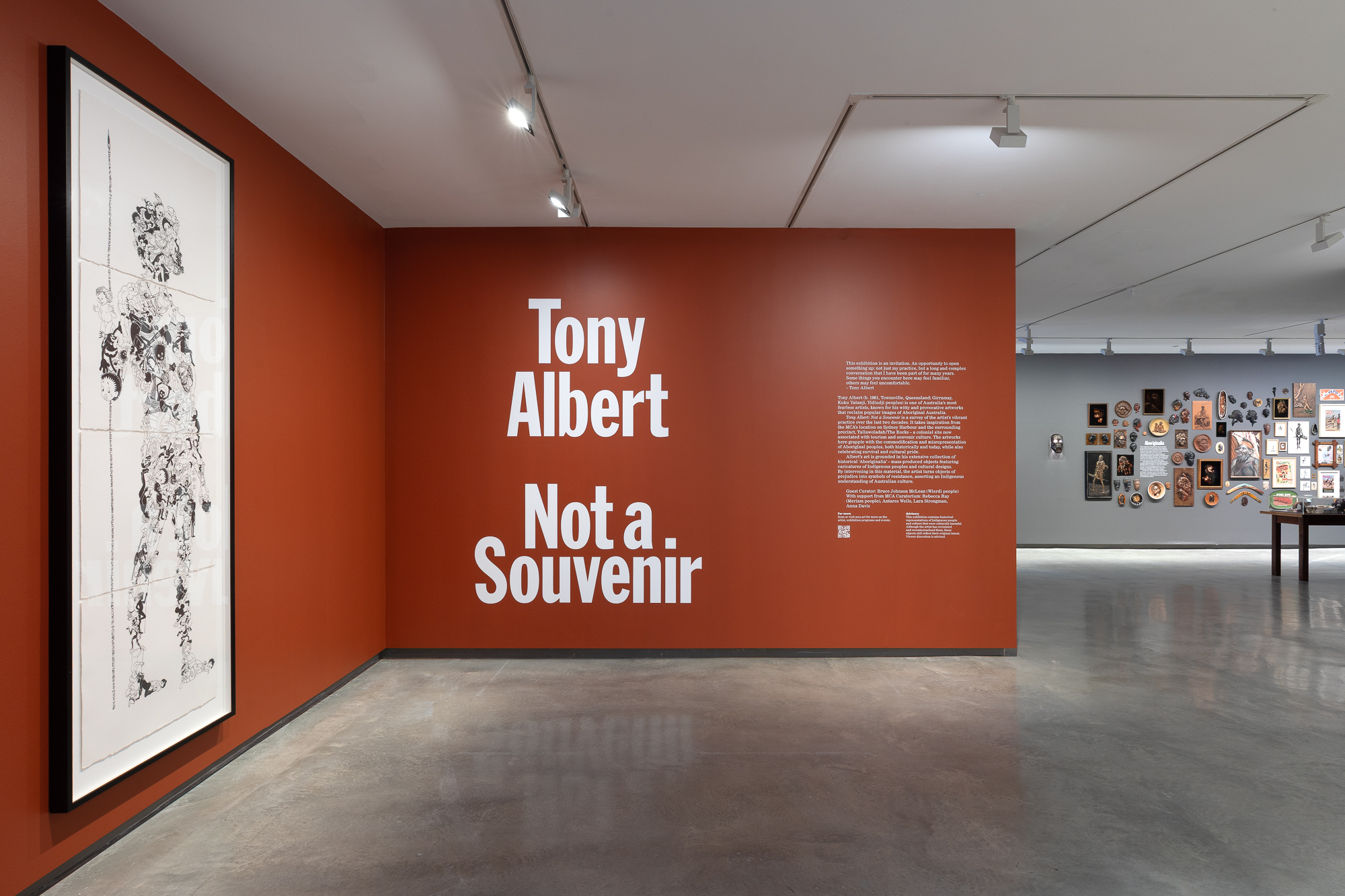
The exhibition spans sculpture, photography, installation, painting and assemblage, and includes major new commissions. It takes its cue from the Museum’s location at Tallawoladah on Warrane/Sydney Harbour and the nearby precinct of The Rocks, historically a site of early colonial contact and, today, a global centre of tourism and souvenir culture.
Key Points
- MCA Australia opens Tony Albert: Not a Souvenir as major winter show
- Exhibition addresses commodification and misrepresentation of Aboriginal peoples
- Over 150 works span sculpture, photography, installation, painting and assemblage
- More than 2,500 ‘Aboriginalia’ objects from Albert’s collection are featured
- Exhibition includes new commissions and Albert’s largest text-based work
- Public Aboriginalia Appeal invites donations to repurpose inauthentic souvenirs
- Programme of talks, tours and community conversations accompanies the show
Exhibition reframes souvenir culture at Tallawoladah
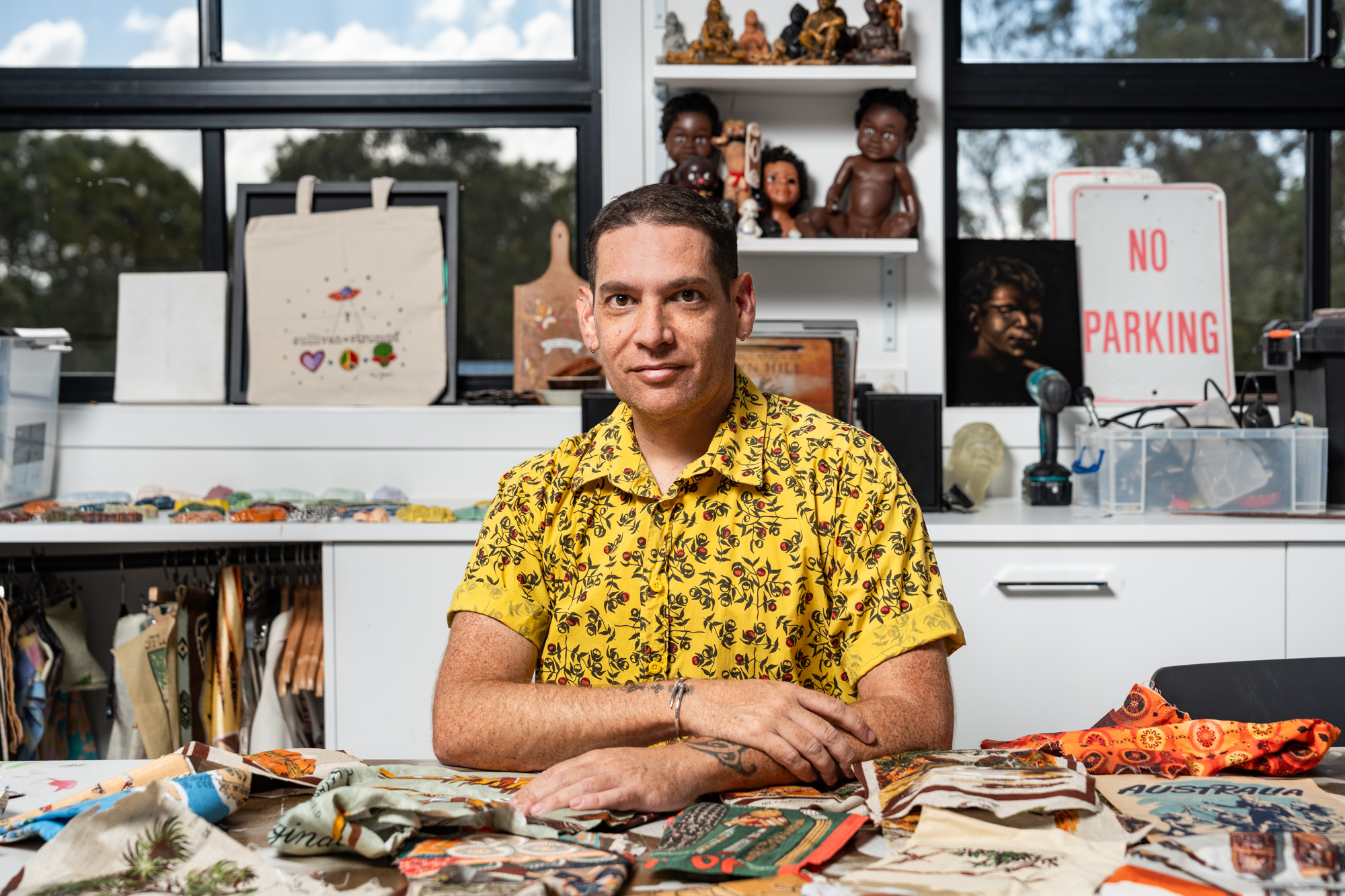
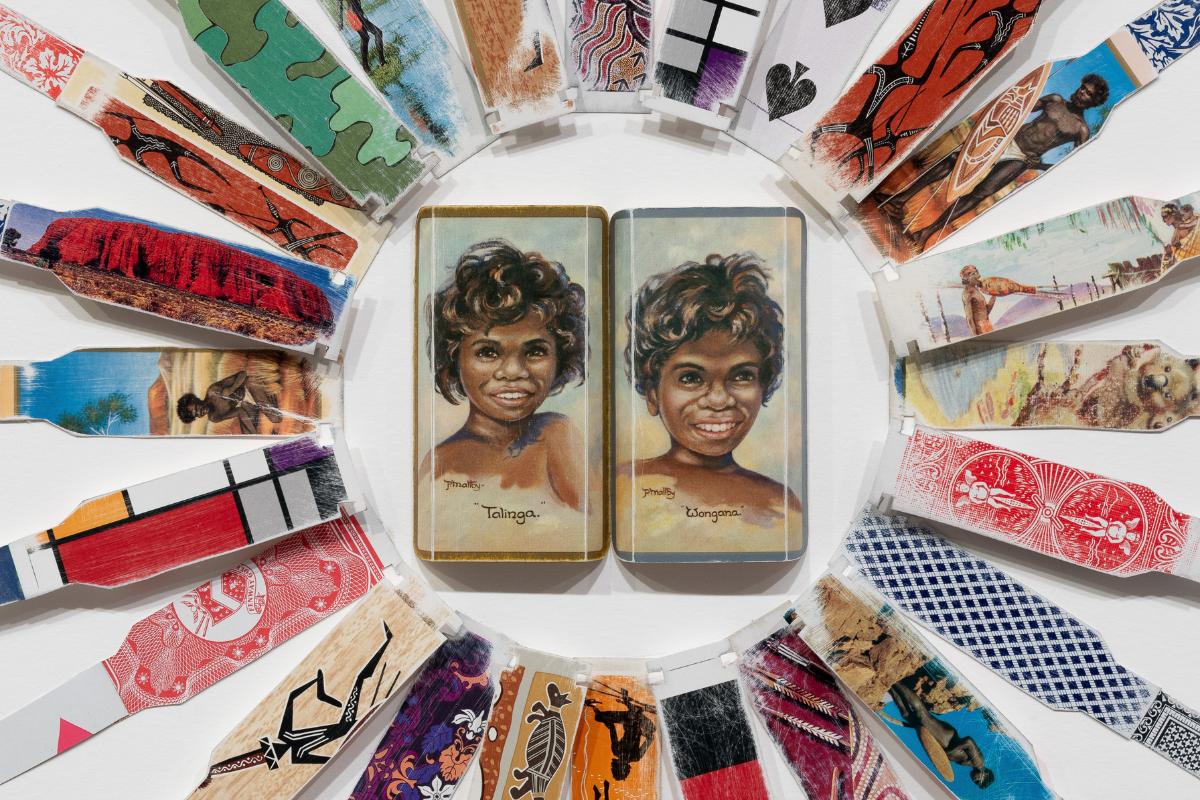
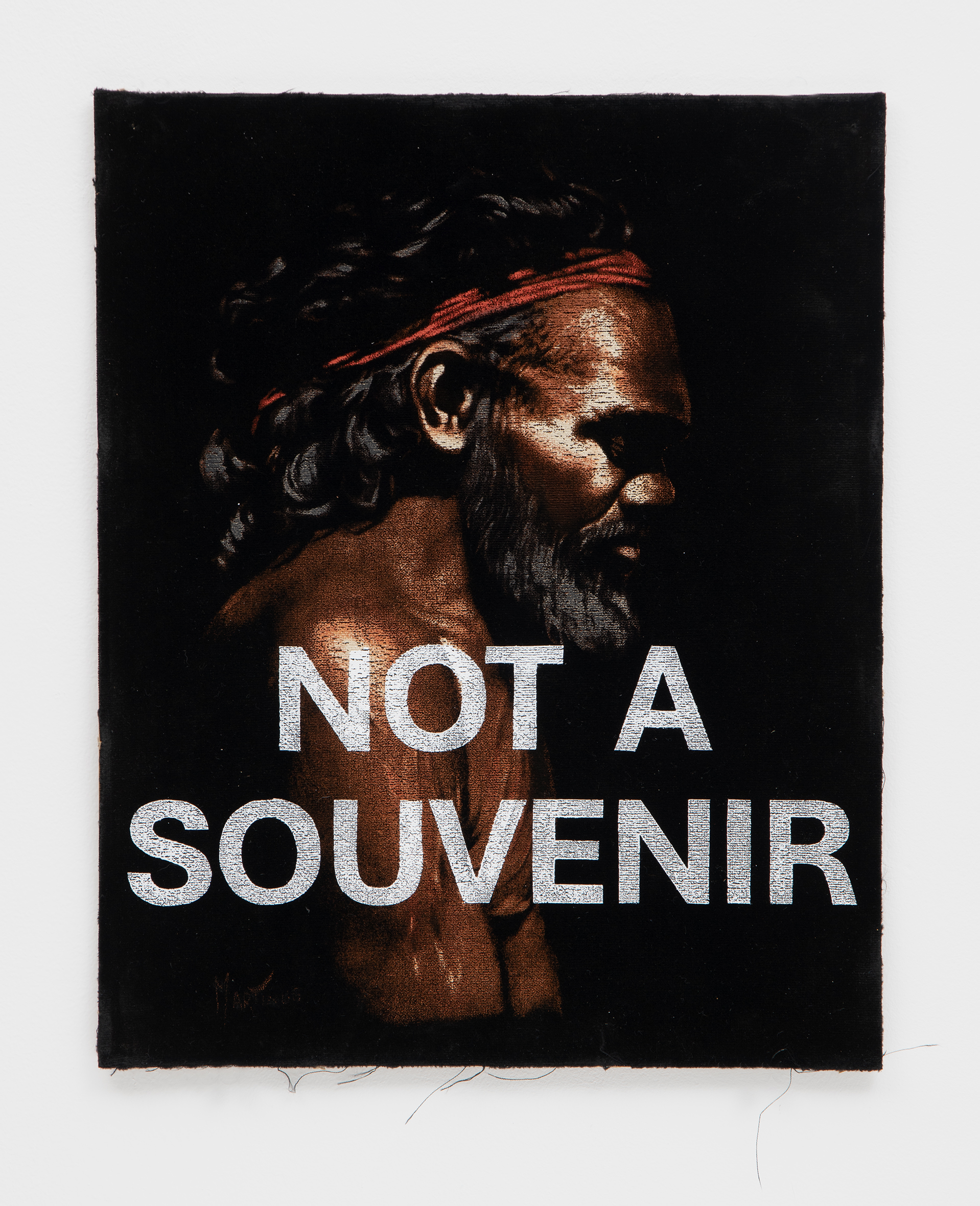
At the core of the exhibition is Albert’s sustained engagement with ‘Aboriginalia’—mass‑produced kitsch souvenir items featuring stereotypical and often racist depictions of Aboriginal peoples. More than 2,500 such objects from Albert’s personal collection anchor the presentation, ranging from tea towels and ashtrays to figurines and crockery. These items circulated widely in twentieth‑century Australia and, as the artist and curators note, continue to be sold, reducing Indigenous identity to a consumable memento.
Rather than discarding these objects, Albert reclaims and recontextualises them through bold text‑based installations, photographic series and complex assemblages. The works turn materials of prejudice into sites of critique and humour, exposing the cultural myths and power structures behind souvenir imagery.
Albert’s earliest encounters with such objects began in Meanjin/Brisbane, where, as a child, he started collecting them from a local second‑hand store after noticing the absence of Aboriginal people in public life; he has since used them to spark inclusive conversations about identity, representation and truth‑telling.
‘Tony Albert’s work has always been about the power of the image to both harm and heal,” Suzanne Cotter, Director of MCA Australia, said.
“Not a Souvenir is a radical reimagining of Australia’s complex histories. Most of all, it is a joyful and deeply optimistic exhibition.
“The Appeal is an invitation for all Australians to play an active role in truth-telling – moving these objects from a place of private discomfort into a public space of creativity and cultural vitality.’
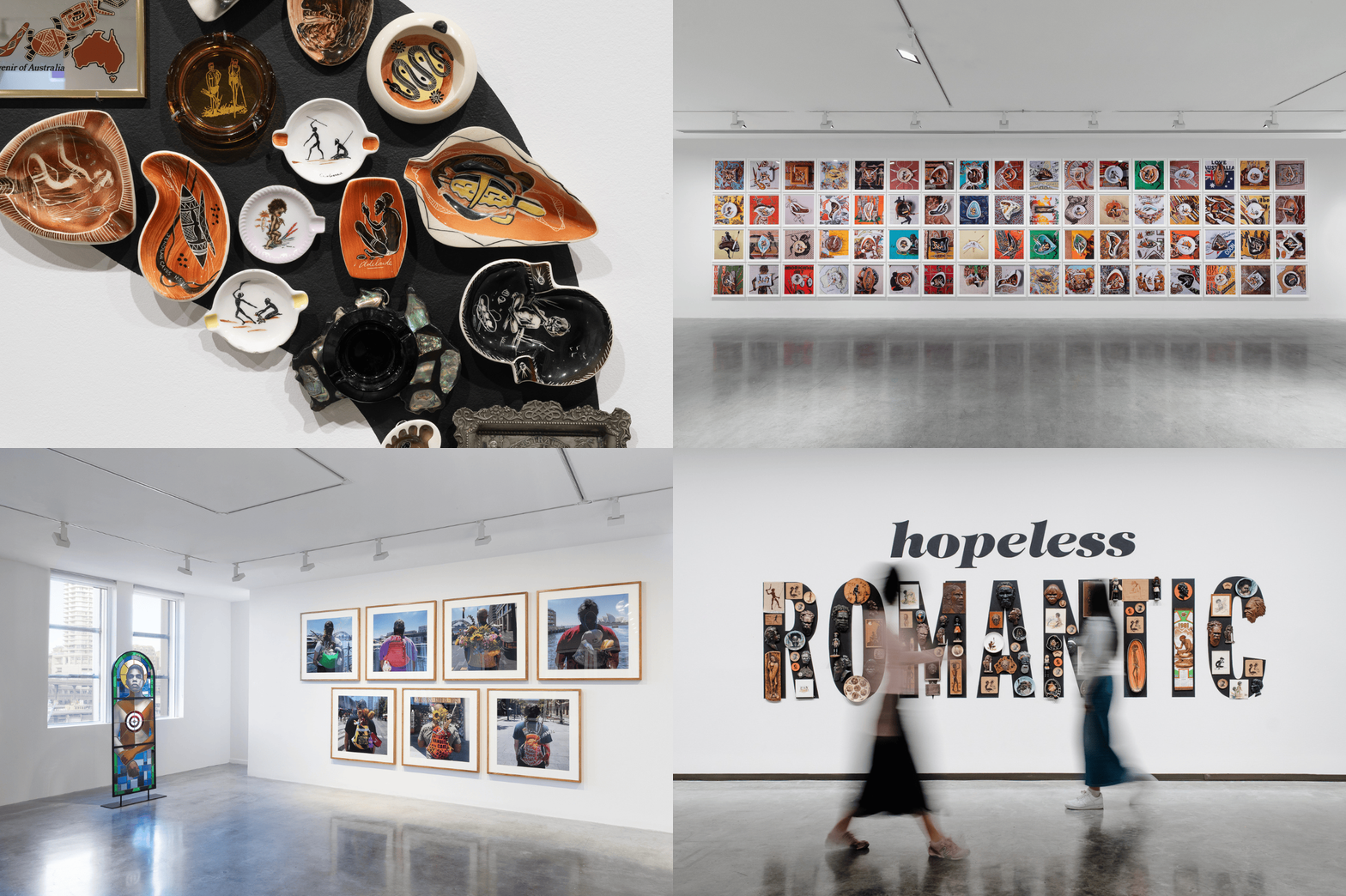
Exhibition highlights include new commissions, Albert’s largest text‑based work to date, and never‑before‑seen photographs from the internationally acclaimed series Warakurna Superheroes. The presentation is contextualised by an installation of Aboriginalia from Albert’s personal holdings, curated by Rebecca Ray, the MCA’s former Curator, First Nations Art.
- Over 150 works assembled from public and private Australian collections
- Newly commissioned pieces and the artist’s largest text‑based work
- Never‑before‑seen photographs from Warakurna Superheroes
- More than 2,500 ‘Aboriginalia’ objects from Albert’s personal collection
- Context installation curated by Rebecca Ray, former Curator, First Nations Art
Public appeal and community engagement
To extend the exhibition’s inquiry beyond the gallery, MCA Australia has launched an Aboriginalia Appeal that invites the public to donate found, inherited or collected items featuring inauthentic representations of Aboriginal people and cultures created without their consent.
Donors can bring items to a dedicated collection point at the Museum or send them by post. According to the Museum, these contributions will be removed from circulation, repurposed and critically reframed in collaboration with the artist, furthering conversations around Indigenous survival, truth‑telling and cultural pride.
“I’ve been collecting Aboriginalia since I was a child,” Albert said.
“And if I had my way, I’d love to take the whole lot of it out of circulation. This isn’t about guilt; it’s about what we do next […] It’s about taking these objects and turning them into something that celebrates our survival and our vibrancy as the world’s oldest living culture.”
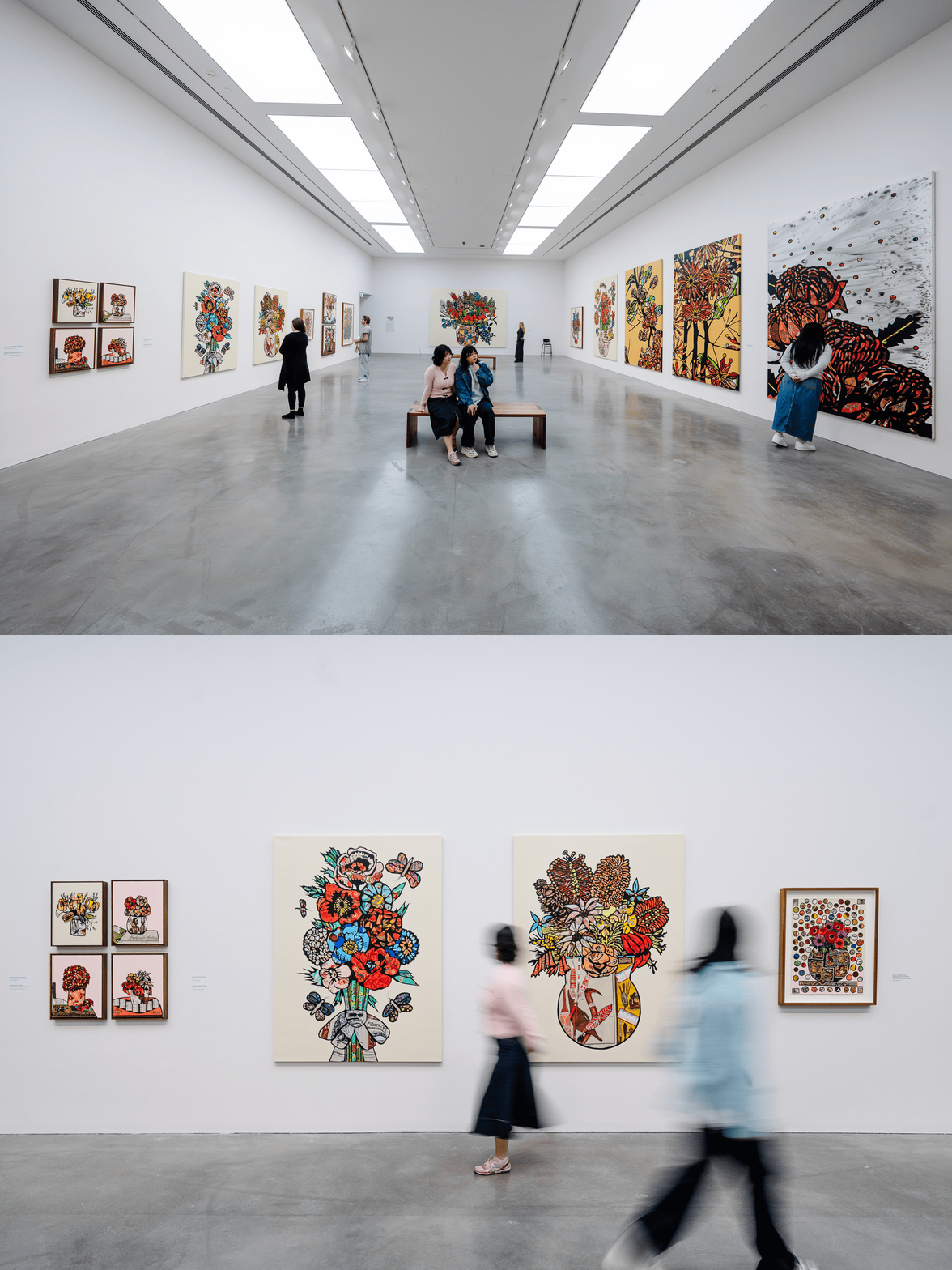
The exhibition is supported by a program of artist talks, curator‑led tours and community conversations designed to create opportunities for audiences to engage deeply with the works and the histories they address. Scheduling throughout the run aims to draw broad participation and to situate the gallery experience within a wider civic dialogue about representation, agency and the legacies of colonisation in everyday objects.
Artist profile
Tony Albert (Girramay, Kuku Yalanji, Yidindji peoples) is described by the Museum as one of Australia’s most fearless and influential contemporary artists. The curatorial framework developed by guest curator Bruce Johnson McLean places the artist’s objects and images in dialogue with the site, history and public contributions gathered through the Aboriginalia Appeal, positioning the exhibition as both a survey and an evolving platform for community‑centred truth‑telling.
The exhibition is on view at the Museum of Contemporary Art Australia in Sydney from May 27.