Purple Rose for Sorry Day: A symbol of honour, truth and repair for all Australians
Disclaimer: This document contains quotes from an Aboriginal man who has passed away. We acknowledge and pay our respects to that individual, his family and his community.
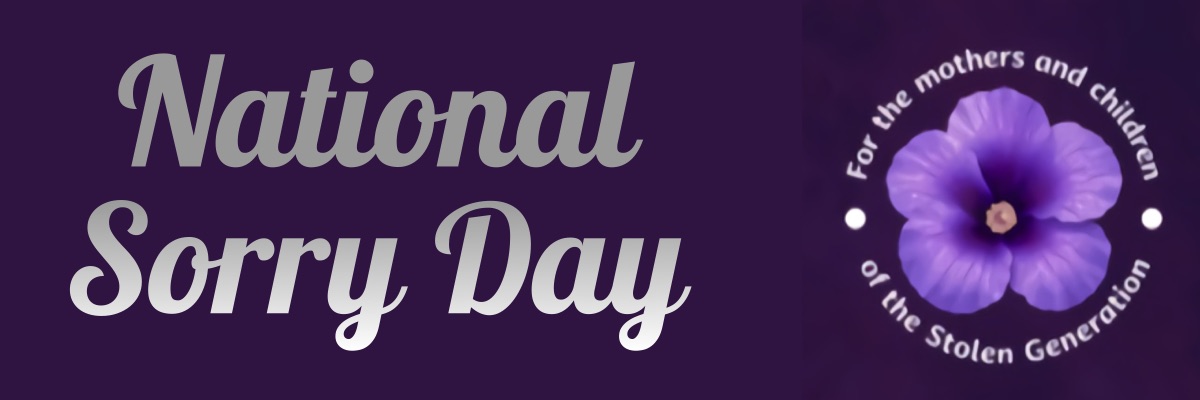
On National Sorry Day the Kimberley Stolen Generation Aboriginal Corporation (KSGAC) is inviting all Australians to take a visible stand for truth-telling, remembrance and repair by wearing the Purple Rose, a survivor-led symbol honouring the mothers and children of the Stolen Generations.
Between the late 1800s and the 1970s, thousands of Aboriginal and Torres Strait Islander children were deliberately taken from their families under government policies presented as “protection” and “assimilation”. These policies’ true intent was to erase Aboriginal identity from the next generation.
The removals were not random. Aboriginal women and girls were specifically targeted and exploited by white men in positions of power. Many became mothers while still children themselves, at a time when Aboriginal people were denied rights, citizenship and any legal protection. These mothers had no voice in law.
Authorities used that silence to take their children, severing the bond between mother and child and dismantling family and cultural structures.
The Purple Rose (botanical name: the Native Hibiscus), was chosen by survivors because it blooms in Australia’s harshest conditions including poor soil, drought, fierce winds. It mirrors the resilience of people who endured this story and continue to overcome.
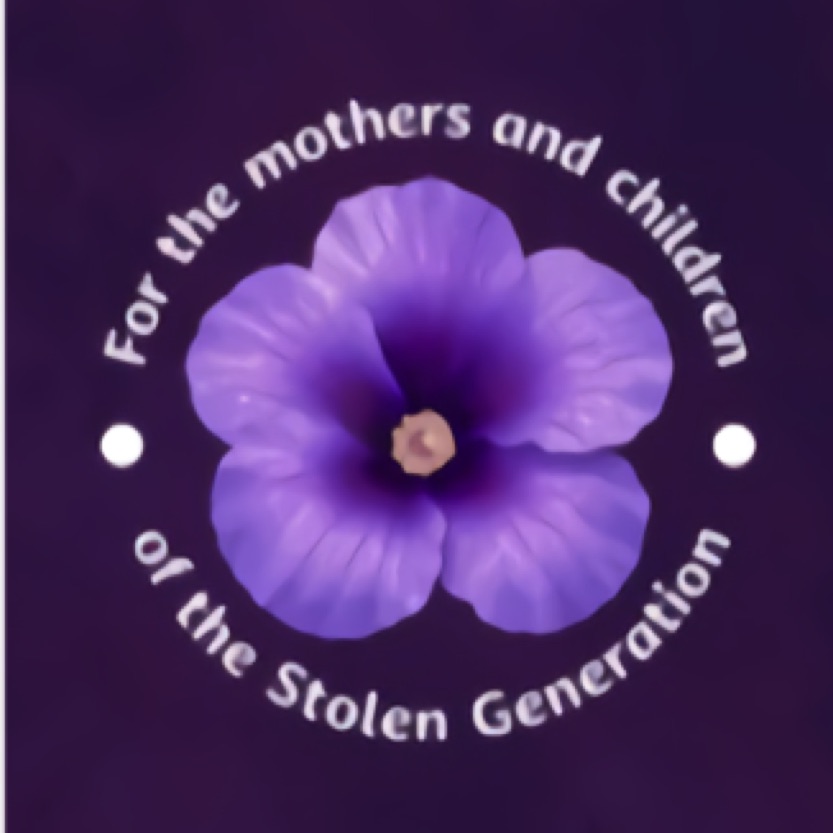
KSGAC Chairman Mark Bin Bakar said the flower was both a symbol and a challenge.
“The Purple Rose carries the story of mothers whose children were stolen and children who grew up without family, culture, or Country,” Mr Bakar said.
“Wearing it means you are willing to know this truth, even the parts Australia has avoided saying out loud.
“It’s not born from bitterness but rather from respect and understanding that every Indigenous person has the right to know where they come from, their tribe, language, Country, and family.
“It is the essence of who we are as part of the longest continuous culture on the planet, something Australia should embrace and celebrate.”
The campaign is grounded in the voices of survivors like Nyikinia Mangala and Walmadjari man Sam Lovell.
Sam was three years old when he was taken.
“The old ladies yelled out, ‘look out, policemen come! We ran down the creek to hide away and they grabbed me and put me on the back of the police motor car,” Mr Lovell said.
“They grabbed me and put me on the back of the police motor car, the old lady chased us down the track, crying and that was the last time I saw my mother.”
“Nobody ever thought about the mother and how much the poor old mother suffered.”
In later life, Mr Lovell worked to bring survivors and descendants together, knowing truth shared across generations is part of repairing what was broken.
For more than 25 years, KSGAC has walked alongside survivors, delivering services across 423,517 square kilometres, 97 per cent of it very remote, and working nationally wherever survivors anddescendants need support.
The impact has been tangible and life-changing: more than 2,400 historical investigations supporting truth-telling; more than 200 family reunions restoring identity and belonging after decades of separation; more than 100 headstones placed on unmarked graves; safe navigation of the National and Territories Redress Schemes; and community-driven fundraising providing funeral assistance, essential care packs and practical acts of care where family support has been lost.
KSGAC also played a national leadership role in policy reform, contributing to the shaping of the words of the formal Apology.
This year, the Purple Rose campaign gained national visibility through a partnership with the Fremantle Dockers during the AFL’s Sir Doug Nicholls Round, which honours Aboriginal and Torres Strait Islander peoples and their contributions to football and the nation.
Every Purple Rose purchased funds survivor-led programs reuniting families separated for decades, returning Elders to Country, preserving language and culture, and placing headstones on unmarked graves.
Australians can order Purple Roses at www.kimberleystolengeneration.com.au .
“Don’t just remember,” said Mr Bakar.
“Help repair and carry this truth forward.”