Study finds pay gaps for Indigenous university leaders
Indigenous leaders in Australian universities are being paid less than non-Indigenous peers and often denied opportunities to step into acting roles, according to a new study that also flags prolonged vacancies in key posts and questions the sector’s prioritisation of Aboriginal and Torres Strait Islander portfolios.
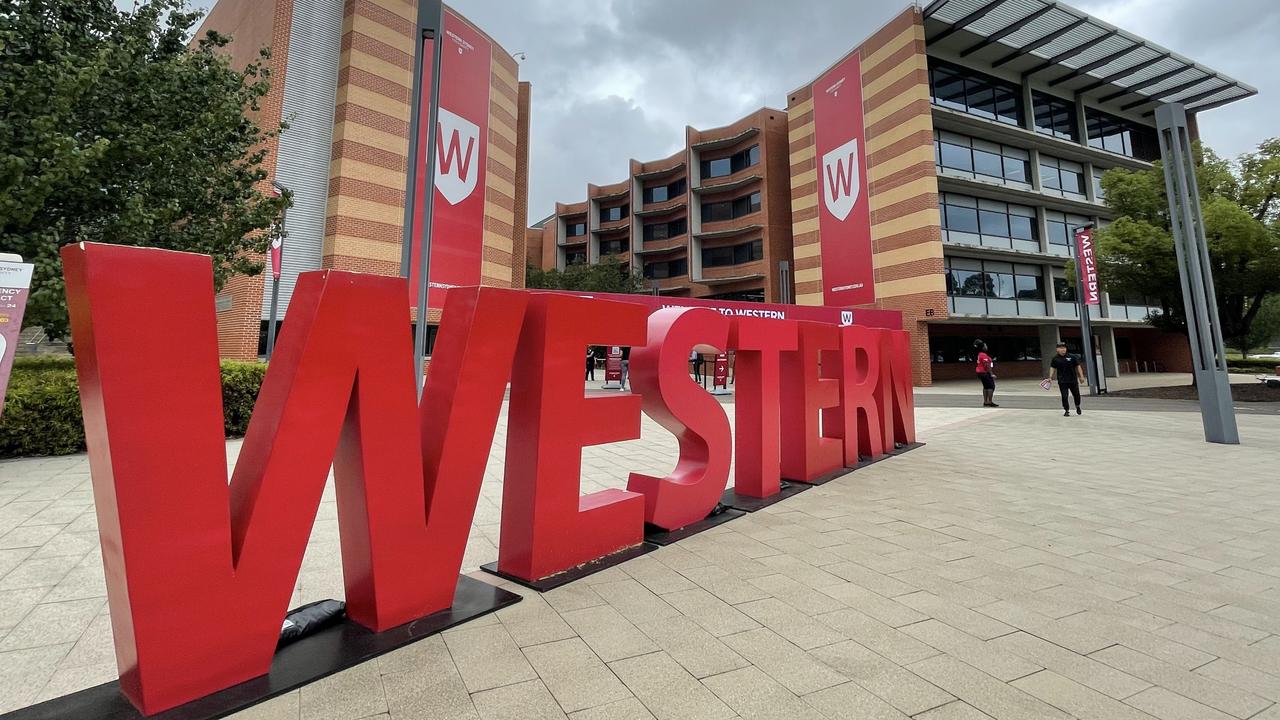
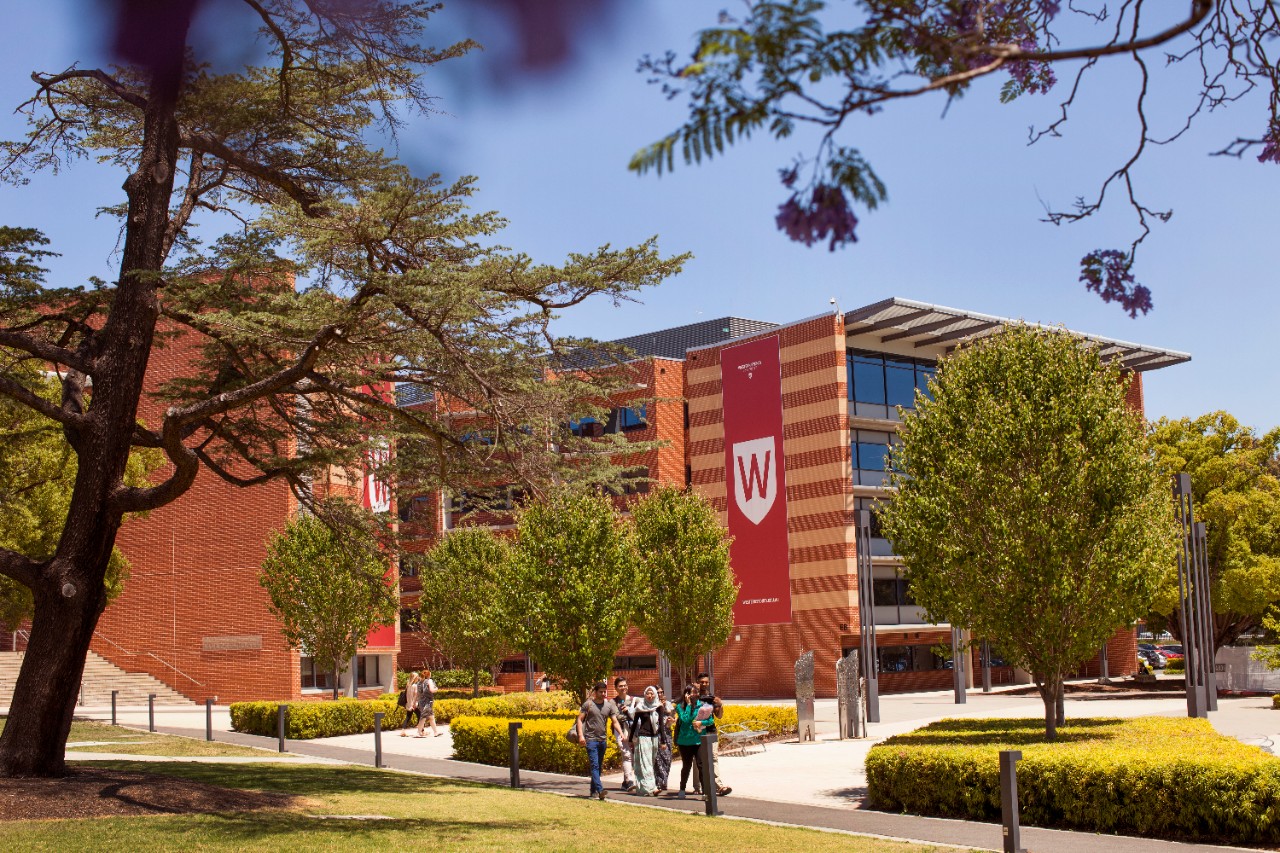
Interviews with 23 of the estimated 37 Indigenous executives across Australian universities exposed differences in treatment and remuneration. The study team, led by Michelle Trudgett, deputy vice-chancellor for Indigenous leadership at Western Sydney University, and three of her staff, obtained salary data from 23 Indigenous people heading Indigenous-specific university portfolios.
Key Points
- Study finds Indigenous leaders paid less than non-Indigenous counterparts
- Sample included 23 of an estimated 37 Indigenous executives
- Median A$312,500 for Indigenous PVCs was 5–7 per cent lower
- All but one Indigenous DVC earned less than peers of same rank
- Pay transparency described as veiled, with sleight-of-hand practices
- Most leaders denied acting roles when supervisors took leave
- Vacant leadership posts persisted for years, contravening funding rules
Study finds pay disparities and limited opportunities
The analysis reported on the Times Hgher Education website in the UK says that the median salary paid last year to the 11 Indigenous pro vice-chancellors (PVCs) who participated — about A$312,500 (£166,800) — was between 5 per cent and 7 per cent lower than the typical packages awarded to PVCs responsible for academic, research or international programs, as quantified in a 2024 benchmarking study by management consultants Mercer.
Disparities were even starker at deputy vice-chancellor (DVC) level. All but one of the 11 Indigenous DVCs were paid less than colleagues of similar rank at their institutions, with their median salary between 19 per cent and 25 per cent lower, the study found.
The researchers reported that the transparency of pay arrangements was at times described as veiled through sleight of hand, including salaries left at professorial level or supplemented from research funds. The paper was published in the Journal of Higher Education Policy and Management.
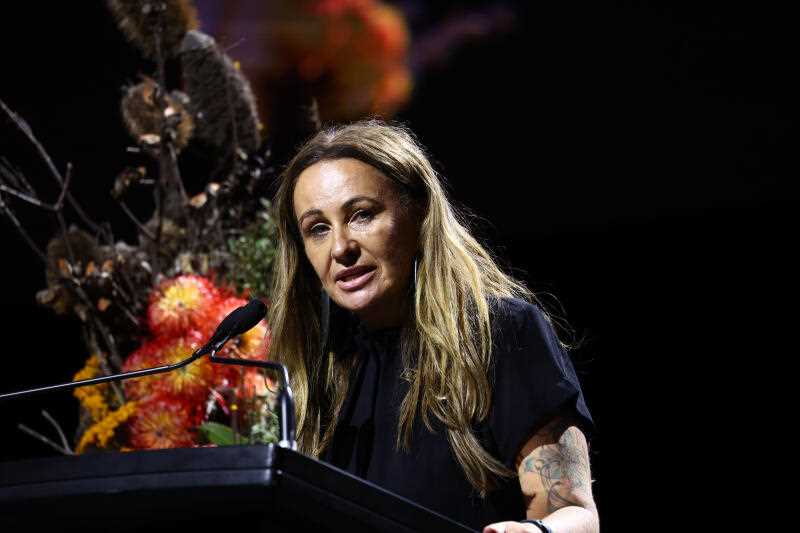
“Indigenous staff are leading significant change in universities, yet the system still undervalues our contributions,” Prof. Trudgett said.
Most Indigenous executives were also not offered acting opportunities when their direct supervisors went on leave, according to the interviews. Participants described limits around what they were allowed to do in the absence of their superiors, and a narrow definition of their remit compared with peers.
Broad portfolios often undervalued
The paper casts light on a segment of university leadership that has emerged relatively recently. It records that the first Indigenous university executive was appointed in 2009 and that their numbers have roughly tripled over the past 13 years.
Despite this growth, the authors found that Indigenous university executives are routinely assumed to head small portfolios, even as their responsibilities extend across other leaders’ domains. The study identified a wide remit that typically includes:
- Strategic and policy development, governance, and compliance with funding bodies
- Community and industry engagement, philanthropy oversight, and communications
- Research leadership and support for Indigenous student success
- Capacity building for higher degree research students and scholarship administration
- Curriculum development and infrastructure stewardship
- Land care and human remains management
The paper says these executives also play a critical role in fostering cultural safety, knowledge and understanding across their institutions. Yet the study found no consistency in rank: some PVCs oversaw far more Indigenous students and staff than DVCs in other universities, underlining uneven structures and expectations.
Vacancies, transparency concerns and sector implications
The researchers reported cases where leadership positions were left vacant for years, contravening funding scheme rules and prompting questions about how genuinely Aboriginal and Torres Strait Islander issues are prioritised in the sector. The paper links these gaps to uneven organisational commitment and to missed opportunities to strengthen Indigenous leadership capacity.
It also highlights inconsistent remuneration as a systemic pattern rather than an outlier. The authors point to unclear salary-setting processes and the practice of elevating role titles without commensurate pay adjustments as evidence that Indigenous expertise is undervalued across parts of the sector.
The study concludes that recognising the full scope of Indigenous executives’ leadership — from compliance obligations to cultural stewardship — would expand opportunities and strengthen the sector overall. The authors frame pay equity, transparent processes, and acting opportunities as necessary steps to align institutional rhetoric with the scale and significance of the work already being undertaken.
Overall, the findings document a distinct leadership cohort that has grown in size and responsibility, but which the authors say remains subject to lower pay, constrained advancement pathways, and uncertain institutional commitment. The paper urges universities to address remuneration and governance practices to match responsibilities with recognition and support.