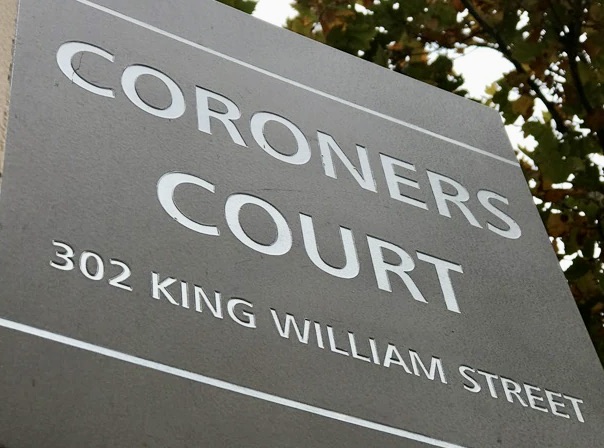
Inquest probes care decisions before teen’s death
An inquest has opened into the sudden death of a 17-year-old Aboriginal boy, known as Mauchy, who died while in State care in South Australia.
The court is examining whether his death on July 11, 2020 could have been prevented and whether decisions about his placement and transition from care met departmental standards.
Key Points
- Inquest opened into sudden 2020 death of 17-year-old in care
- Family requested the teenager be referred to as Mauchy
- Court examining DCP support for transition out of care
- Possible placement in Port Augusta near family under review
- Post-mortem found Flualprazolam likely contributed to death
- Police found evidence of illicit drug use at his unit
- Witness repeatedly raised supervision and health concerns with DCP
On Tuesday, Deputy State Coroner Naomi Kereru opened proceedings to determine preventability and decision-making leading up to the teenager’s death.
Counsel assisting the coroner, Rebecca Schell, outlined the central questions before the court, including how the Department for Child Protection (DCP) managed his transition and whether culturally and family-appropriate placement options were fully considered.
- Whether Mauchy’s transition out of care was “appropriately and accurately managed and supported by the Department for Child Protection (DCP)”
- Whether the prospect of placing him in Port Augusta — near family — was “appropriately explored”
- How “the current departmental policies for transitioning Aboriginal youths out of care and the independent living programs that are currently utilised today by the department” functioned in his case
The inquest is expected to run for eight days and will hear evidence from 10 witnesses, including representatives from DCP. The family has requested the teenager be referred to as Mauchy throughout the proceedings.
Circumstances surrounding death
At the time of his death, Mauchy had been living in a semi-independent unit for just over six months, having moved from a foster placement. The court heard that he was not on any prescribed medication at that time, though he had previously been medicated for ADHD and other mental health concerns.
According to Ms Schell, a post-mortem found Mauchy died from the aspiration of his gastric contents. Toxicology indicated the presence of a “psychoactive drug” known as “Flualprazolam”, a substance often mistaken for Xanax.
Ms Schell told the court that the sedation linked to this substance likely contributed to his death. She added that he was seen consuming four ‘Xanax’ tablets the day before, and that it was likely the tablets were “fake”, which is how Flualprazolam entered his system.
“It’s the sedation from that drug that likely contributed to him aspirating his gastric contents,” Ms Schell said.
Police observations at his unit, presented to the court by Ms Schell, described “evidence of illicit drug use in the premises.” The premises were also described as “a mess, with food scraps and rubbish throughout most rooms,” with “dirty clothes on the floor and cat faeces in the bathtub in the bathroom.”
These details form part of the coroner’s examination of his living conditions, the oversight applied to semi-independent placements, and how risk factors were identified and managed for a young person transitioning out of care.
Warnings about supervision and care planning
A witness told the court he had repeatedly raised concerns about Mauchy’s drug use and the level of supervision he received while living semi-independently. The witness also expressed concern about how the teenager’s health conditions were being managed.
Ms Schell said the witness had sent an email to the Coroner’s Court in August 2020 outlining his concerns after the death. The court also heard that he wrote to the DCP Ombudsman and was told no further investigation into the teenager’s management was required.
These accounts will be considered alongside evidence from departmental representatives as the inquest assesses decision-making about supervision levels, risk management in independent living settings, and whether alternate placements — including the prospect of locating the teenager in Port Augusta near family — were adequately pursued. The inquest is continuing and will hear from a total of 10 witnesses.