Native title holders allege cultural sites have been destroyed by mining company
Native title holders on South Australia’s Yorke Peninsula have alleged Rex Minerals has damaged areas of cultural significance at the Hillside copper mine and proceeded without a cultural heritage plan or Indigenous benefits agreement. The company says it has complied with the law and engaged with Traditional Owners.
Narungga Nation Aboriginal Corporation (NNAC) has told ABC News that Rex Minerals, owner of the Hillside copper mine 12 kilometres south of Ardrossan, began development without a cultural heritage plan or an Indigenous benefits agreement.
Lawyers acting for NNAC have asked the Federal government to issue urgent stop-work orders under the Aboriginal and Torres Strait Islander Heritage Protection Act.
The company says it has complied with law and engaged continuously.
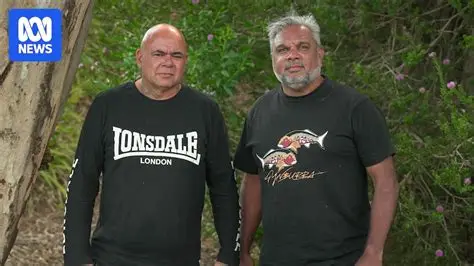
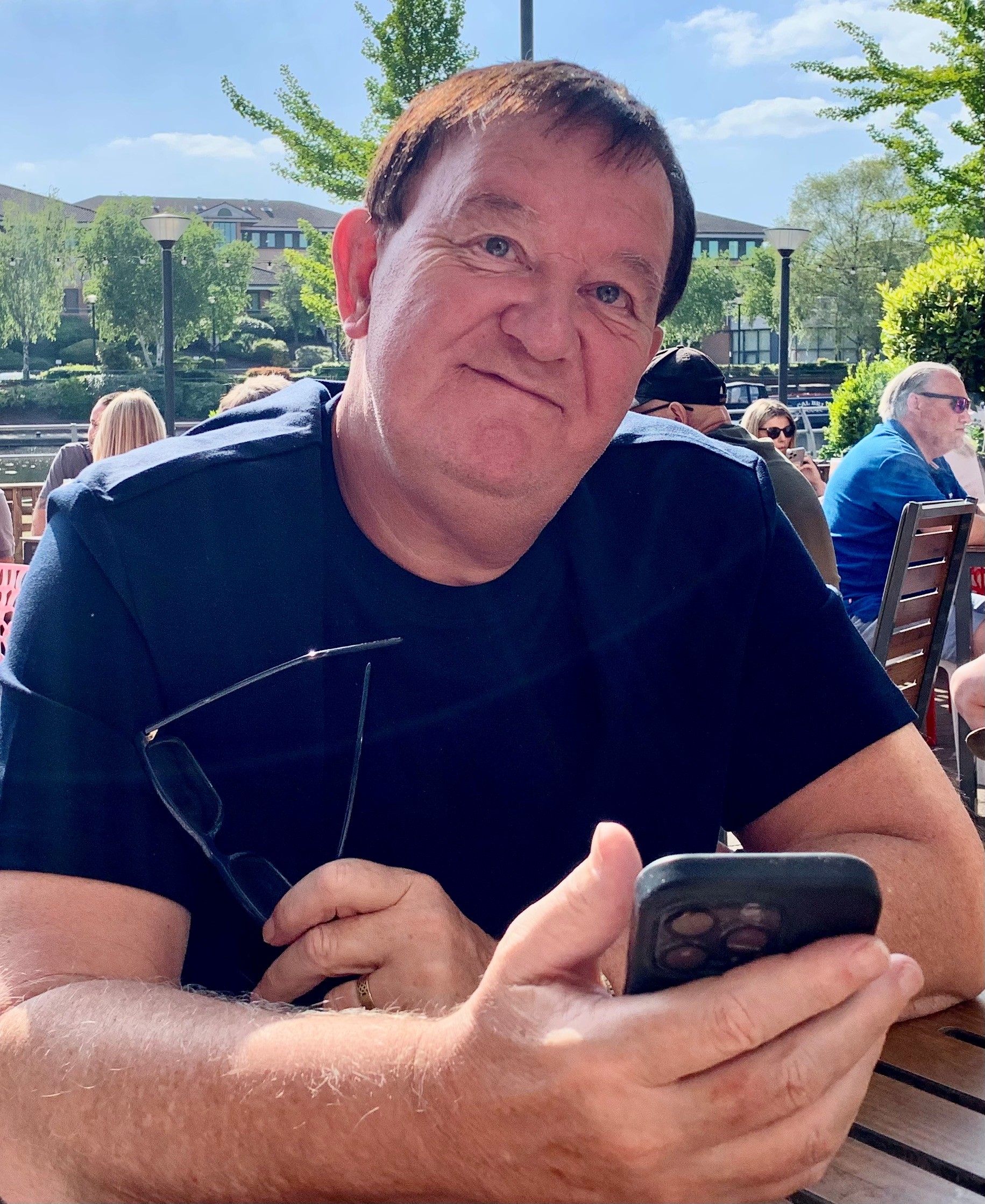
Narungga men Jamie Agius and Garry Goldsmith have concerns over the Hillside copper mine. (Photo: ABC News)
Key Points
- NNAC alleges Rex Minerals began work without a heritage plan or benefits deal
- Lawyers seek urgent federal stop-work orders under heritage protection law
- Rex Minerals says it complied with the Aboriginal Heritage Act requirements
- 2011 agreement said parties “agreed to seek” a heritage and benefits deal
- Allegations include mistaken destruction at Wombat Gully and lost artefacts
- Mine aims for 75,000 tonnes copper and 60,000 ounces gold each year
NNAC’s chief negotiator, Garry Goldsmith, said the group wants operations paused for an assessment amid reports of heritage damage. He alleged that works have impacted areas of cultural significance and that the company was pushing ahead without a formal accord with Traditional Owners.
Rex Minerals said it has actively complied with all legal requirements under the Aboriginal Heritage Act and has maintained dialogue with the native title group. In a statement, Rex Minerals South Australia chief executive Jason Schell referenced a 2011 agreement focused on exploration leading up to the mine’s approval in 2014, and said multiple benefits proposals had been presented to NNAC in the past 18 months without a final agreement.
Mr Schell said the proposed deal would deliver long-term investments in education, training and direct employment outcomes, with cultural support and a Narungga Community Fund. He added the package is offered voluntarily despite native title over the Hillside site being “extinguished”.
NNAC disputes the company’s characterisation of talks. Mr Goldsmith said the group had been trying to negotiate for more than a year and was concerned the company was “kicking the bucket down the road”. He said the Narungga sought opportunities, not hand-outs, for individuals, the community, Narungga businesses and native title holders.
Heritage status and site works
The Hillside project is on formerly freehold farmland, so native title is “extinguished” but activities remain subject to the Aboriginal Heritage Act 1988 (SA). A section of the Yorke Highway and other local roads are being relocated, having been deemed too close to what will be a 500-metre-deep open-cut and underground mine.
A 2014 state government assessment noted 1,000 Aboriginal artefacts were found during surveys of the proposed mine lease. Mr Schell said Narungga cultural heritage monitors were employed to oversee artefact management and that “rigorous archaeological surveys” were undertaken. He said this approach ensured heritage sites and artefacts were recorded and protected during exploration and development.
Alleged damage
NNAC said it had provided monitoring services but withdrew when negotiations stalled, after which Rex Minerals hired an independent heritage monitoring company. Mr Goldsmith said NNAC is the elected peak body for heritage rights and interests and believes the corporation has been disregarded.
Rex Minerals is developing the Hillside copper and gold mine on South Australia’s Yorke Peninsula. The operation is expected to produce 75,000 tonnes of copper and 60,000 ounces of gold per year. A subsidiary of Indonesian conglomerate Salim Group bought the project in 2024.