Celebrating 40 Years as a Leader in Indigenous Education
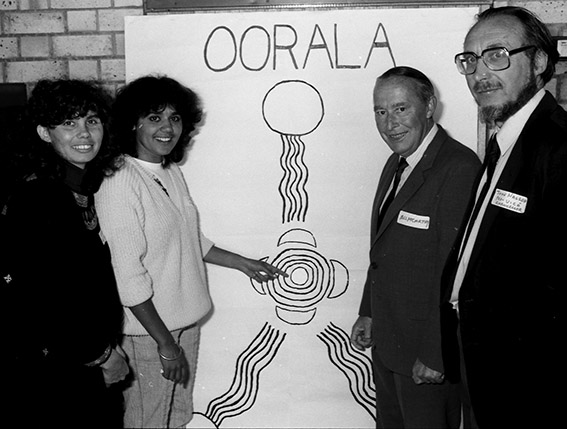
One of Australia’s oldest university-based centres dedicated to upholding the educational rights of Aboriginal and Torres Strait Islander peoples has turned 40.
The Oorala Aboriginal Centre established the University of New England (UNE) as a national leader in Indigenous higher education and continues to embody its commitment to equity and opportunity.
“Oorala remains true to its original intention – to create a culturally affirming place on campus for students – but has evolved and innovated in response to student, community and sector needs,” Oorala Director Samantha Fowler said.
“Aboriginal and Torres Strait Islander students now make up almost six per cent of UNE’s student population and we continue to expand existing programs and introduce new ones for our growing cohort.”
There were just 11 Aboriginal and Torres Strait Islander students enrolled at UNE when Oorala was founded in 1986 in Armidale. By 2025, that number had grown to 1,100, and more than 1,500 Aboriginal students have now graduated from UNE, including the first PhD graduate – Dr Margaret Weir – in 2001.
Founding Oorala Director, now Professor Lynette Riley AO, was fresh from creating Australia’s first Aboriginal Education Policy – which paved the way for countless Aboriginal and Torres Strait Islander students to complete TAFE and university studies – when she arrived at UNE, becoming its first Aboriginal and Torres Strait Islander academic. She was employed as a Research Assistant, and her brief was to establish new support structures for Aboriginal students.
Pathways to Tertiary Education
“The only other Aboriginal people employed at UNE at the time were groundsmen, cooks and cleaners,” Lynette, now Chair of Aboriginal Education and Indigenous Studies at the University of Sydney, said.
“Many of our first Aboriginal students were parents and even grandparents and we utilised Kinship relationships in how we treated and supported one another. I’d like to think that students saw Oorala staff as their family away from family.”
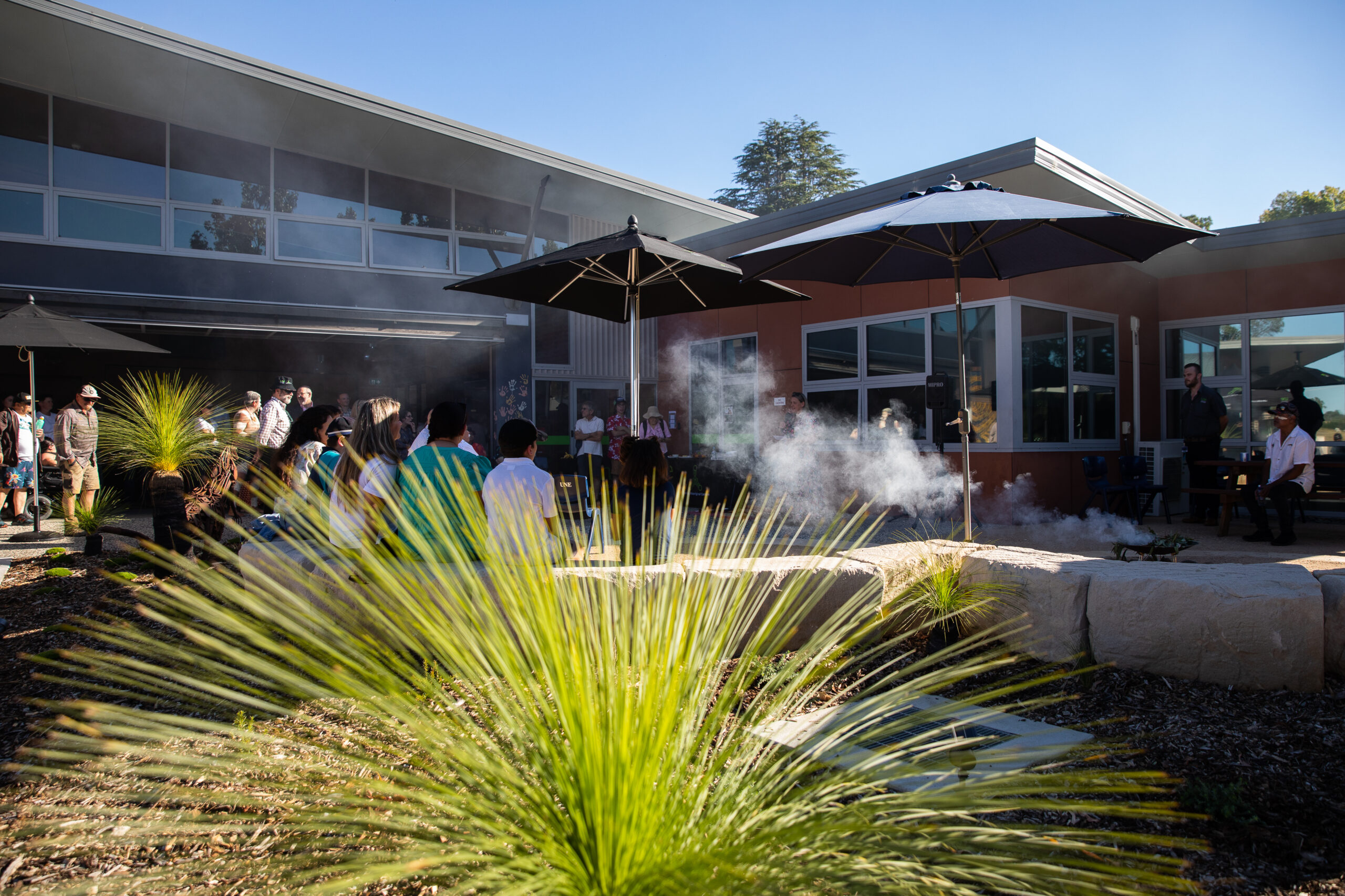
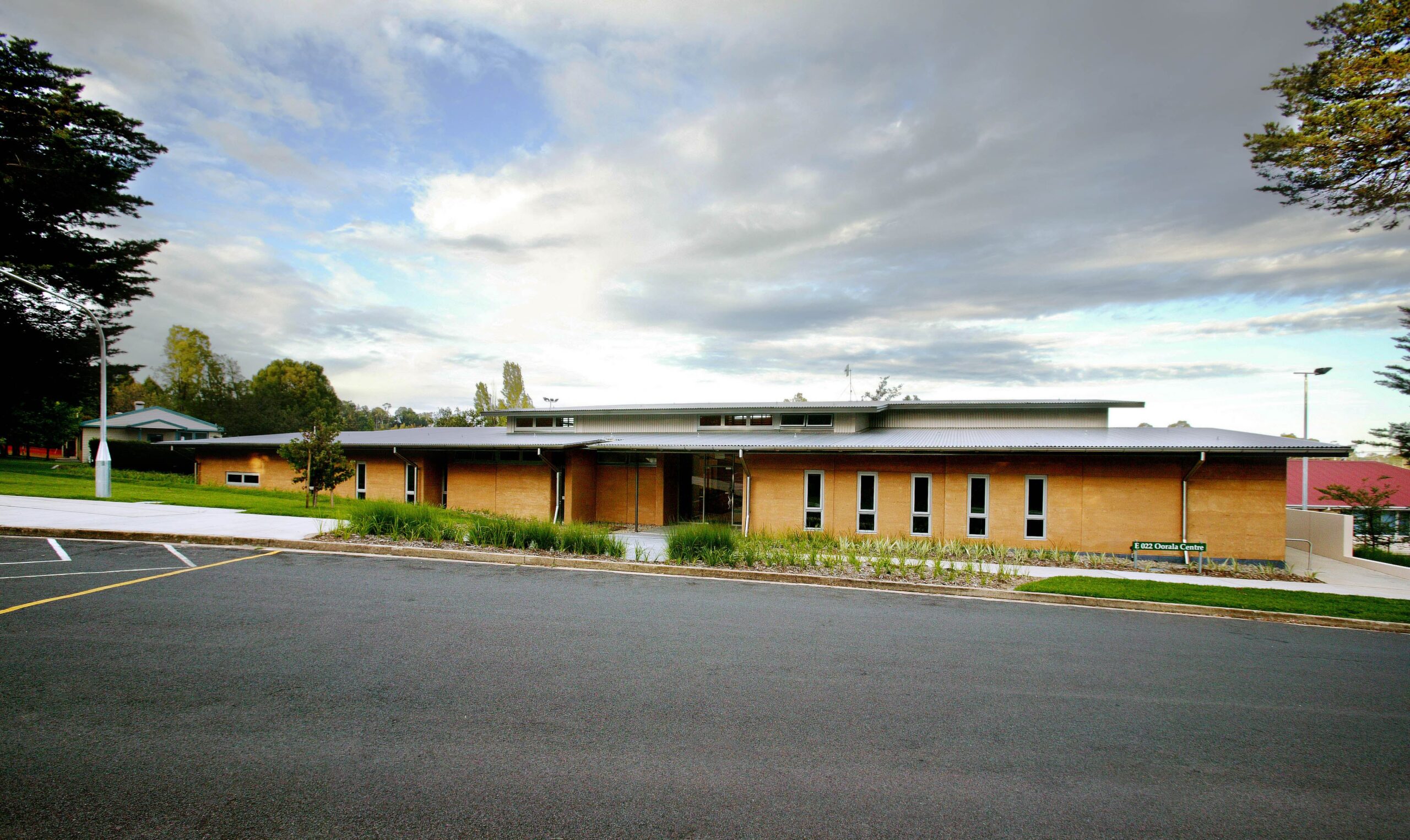
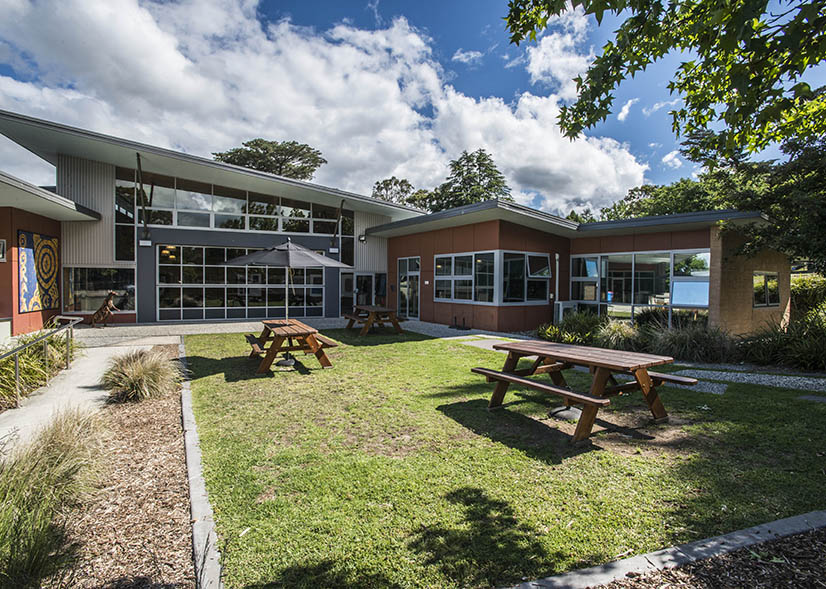
Providing pathways to tertiary education and practical support have always been Oorala’s primary goals. After consultation with the local community, the centre took its name from the Anaiwan Language, meaning “a camp” or “a place where people come together”, and provided Aboriginal students with a place to study, meet tutors, hold meetings and access resources.
Engaging the local Aboriginal community was pivotal to Oorala’s initial success and Lynette acknowledges the “huge support from anchors such as Dianne Roberts and Sue Briggs”. It soon saw Oorala staff become champions for improved access to childcare and accommodation, which resulted in the establishment of the Yarm Gwanga Childcare Centre and the Ee-Ke-Nah Hostel.
“We didn’t realise how innovative we were until people began coming to us from other institutions, seeking advice,” says Lynette. “The impact of Oorala rippled through families and communities.”
Monthly Oorala Lectures
Over time, Oorala has played an equally important role in educating the broader university community about the needs of Aboriginal students – a task that early Oorala Academic Support Tutor Lynne Hosking says wasn’t always easy.
“We were trying to break down the barriers to Aboriginal people coming to uni and we experienced both ignorance and prejudice on campus and in town,” she says.
“Many students had overcome great challenges just to get here. All had my phone number and could ring me anytime. And I picked people up from the railway station or off the plane and helped them with difficulties off campus, too.
“Engaging the local Aboriginal community was pivotal to Oorala’s initial success – so people not only felt welcome to visit, but also to share their knowledge, which was a real turnaround.”
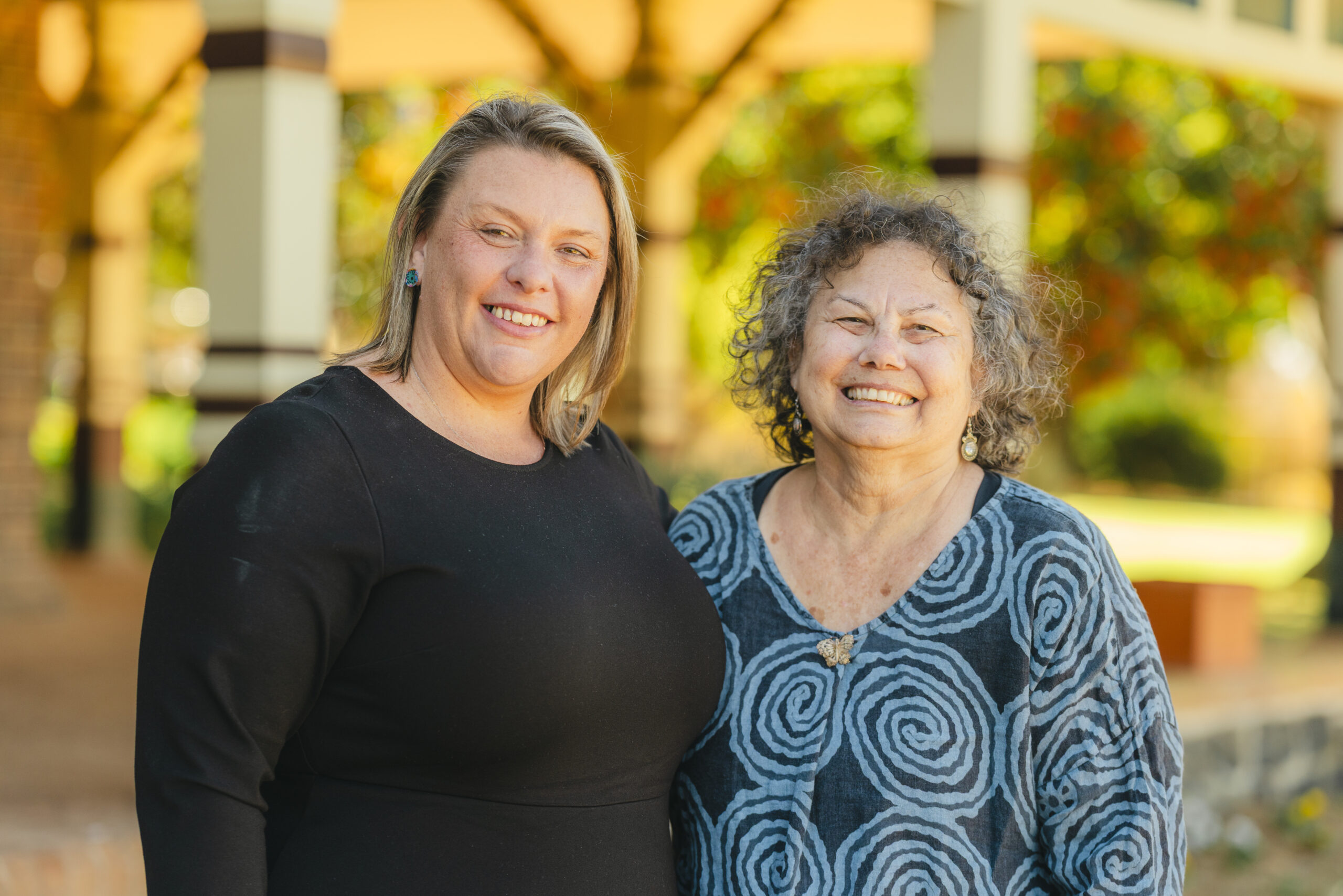
Centre director Sam Fowler and founder Professor Lynette Riley. Photo: Mike Terry
A series of monthly Oorala Lectures initiated by Oorala staff in 1987, and open to everyone, sought to increase awareness of Aboriginal life and culture.
“The aim of these lectures was to bring people together to gain an understanding of Aboriginal traditions and historic events affecting Aboriginal people,” Lynne says.
“We hoped to counteract stereotypes and generalisations that many non-Aboriginal people applied, and we facilitated the participation of local Aboriginal folk by providing transport to campus. Having a cuppa after the lectures offered an opportunity for people to mingle, discuss issues raised and to get to know one another.”
Anaiwan Elder and current Director of the Armidale Aboriginal Cultural Centre and Keeping Place, Rose Lovelock, was Oorala’s first Aboriginal Student Support person, back in 1986. She became one of the early contributors to what is now known as the TRACKS Indigenous Foundation Program, which helps students transition to undergraduate study.
Frank Archibald Lecture
“The response of students to Oorala was incredible because they could finally see themselves in the picture,” Rose said. “It became more than a place for them to meet; it was where they found a sense of strength and belonging and acceptance. It was also where non-Aboriginal people got an understanding of the issues we faced.”
Culturally enriching undergraduate and postgraduate units developed by Oorala’s academic team continue to promote Aboriginal perspectives, resilience and cultural competency across UNE disciplines. They ensure UNE graduates are equipped to work respectfully in Aboriginal and Torres Strait Islander communities in roles such as nursing.
“In this way, Oorala has helped to enhance the education of all UNE students,” Samantha said.
Also turning 40 in 2026 is the annual Frank Archibald Lecture – a series initiated and hosted by Oorala that documents Aboriginal and Torres Strait Islander storytelling, activism and intellectual leadership. It made UNE one of the few universities to invite prominent Aboriginal people – including Charlie Perkins, Noel Pearson, Linda Burney, Dr Pat O’Shane AM, Tiga Bales and Dr Stan Grant – to contribute to broader public discussions.
And now, as UNE implements its Strategic Plan 2026–35, Oorala is again at the forefront, moving beyond providing access to Aboriginal and Torres Strait Islander students to affirming their rights to, in and through higher education.
UNE’s Pro Vice-Chancellor Indigenous Professor Peter Anderson is proud to be celebrating Oorala’s 40th anniversary as the university reorients its entire approach to Indigenous education.
“Our Strategic Plan commits UNE to ensuring Aboriginal and Torres Strait Islander peoples have a full sense of belonging within this institution, that lifelong learning aligned with community aspirations is a right, not a privilege, and that Indigenous-informed and co-designed approaches transform education into a vehicle for self-determination. Oorala’s 40 years have laid a strong foundation for that work.”
Today, Oorala employs more than 38 staff and 52 casual academic tutors. The school-based Ronyera Ekina program engages prospective students in discussions about tertiary education pathways, and the long-running TRACKS program continues to open up university opportunities, attracting 64 students in 2025.
A Thriving Hub of Culture
Enrolled Aboriginal and Torres Strait Islander students have access to the Yinga Kara orientation program and Oorala facilitates academic tutoring, scholarships and prizes, and a student ambassador program.
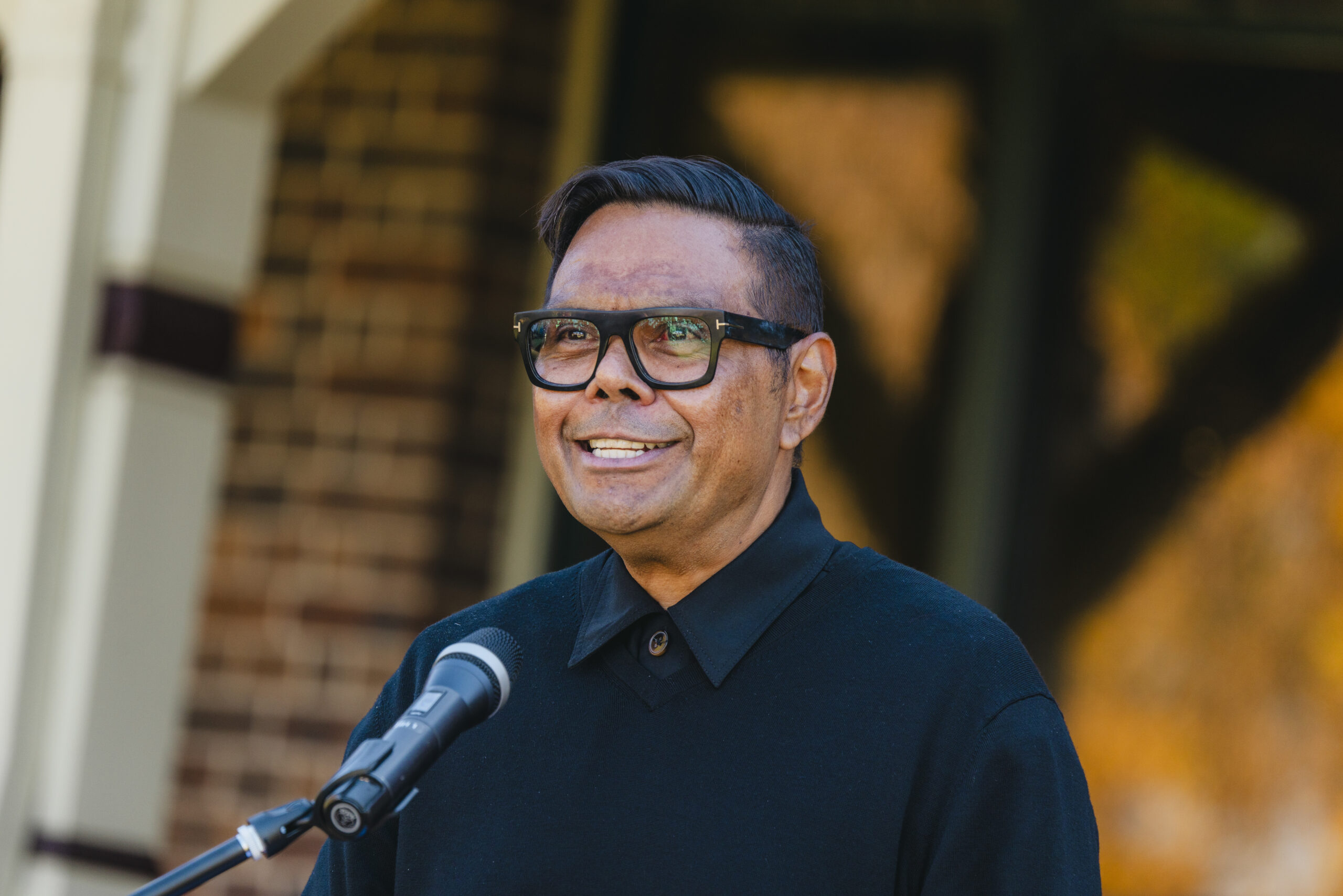
UNE’s Pro Vice-Chancellor Indigenous Professor Peter Anderson. Photo: Mike Terry
Rose Lovelock loves UNE graduation days. “I am very proud when I see the Aboriginal students graduating in their sashes. It makes me feel like we have achieved something, a level of recognition. Students gravitated to Oorala and it cemented great ideas in their minds that they could effect change.”
Outside her seven children and growing number of grandchildren, Lynette considers Oorala one of her greatest achievements. “Many of our students have gone on to do wonderful things for their communities and Aboriginal people and have created change across Australia,” she said.
Forty years after its work began – with a handful of staff in temporary accommodation – Oorala is a thriving hub of culture, connection and community.