Community-driven clean energy model for the Pilbara
Traditional Owners across the Pilbara in WA are positioned to lead new clean energy projects and infrastructure developments on Country following a community-driven partnership model unveiled in Karratha.
Sovereign Energy Australia (SEA) aims to link local businesses with national partners to activate opportunities across Western Australia’s renewables-rich North West region.
Key Points
- SEA unveiled a community-driven clean energy model in Karratha
- Model centres Traditional Owners’ participation, ownership, long-term opportunity
- Projects include solar, battery systems, modular housing and infrastructure
- Approach aims to tackle disconnected, complex projects lacking local input
- Focus on employment, contracting, and environmentally responsible development
A model centred on community leadership
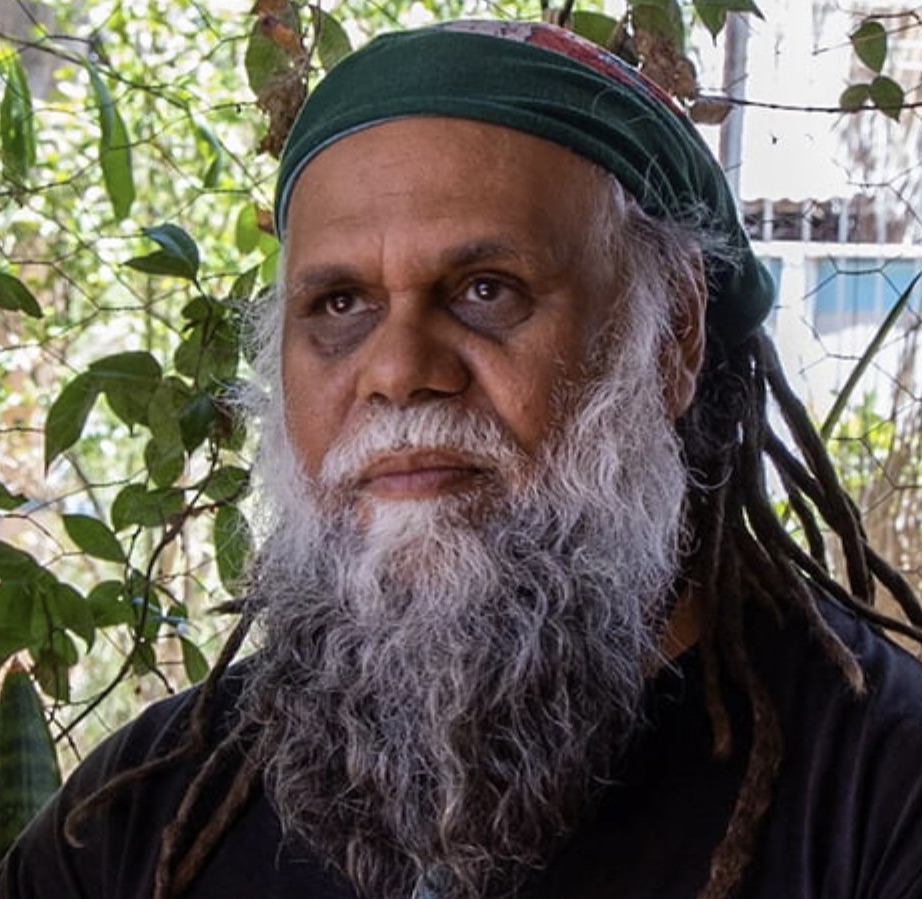
At the launch, SEA co-founder Jon Dai underscored the importance of aligning business with community priorities and participation beyond conventional project engagement.
According to SEA, the approach is designed to move beyond transactional consultation by including Traditional Owner groups and local organisations in decision-making. The stated objective is to maximise employment and contracting opportunities and to strengthen community involvement as the basis for long-term economic outcomes.
SEA’s project portfolio includes clean energy and enabling infrastructure with an emphasis on practical delivery and local participation. The plan aims to tackle challenges the organisation says have hampered past developments in the sector: disconnected project elements, complexity, and inadequate local input.
Initial focus areas
- Solar and battery systems
- Modular housing and infrastructure
The initiative is framed as a platform to unify energy, infrastructure and industrial capability, with SEA indicating it will work to integrate business and community objectives from inception through delivery. The aim, as set out at the launch, is to enable Traditional Owners to have a direct stake in planning, participation and long-term opportunity.
Connecting local and national capability
SEA’s model places significant weight on matching “capability partners” from across Australia and overseas with businesses already operating in the region. The objective is to combine external technical and industrial strengths with established local knowledge and supply chains. By convening partners around locally defined priorities, SEA indicated it intends to reduce fragmentation and increase the likelihood of projects proceeding efficiently and with community backing.
The partnership orientation also extends to contracting and workforce development. SEA and participating groups plan to prioritise local employment and supplier opportunities, with Traditional Owners and local organisations engaged early to define needs and shape delivery. The focus, as described at the announcement, is on building pathways that secure long-term economic benefits on Country.


- ACT
- AFL / AFLW
- Arts
- Athletics and Olympics
- Business
- Conditions and Research
- Culture
- Elections
- Employment and Careers
- Enterprise and Startups
- Entertainment
- Events and NAIDOC
- Fashion
- Film and TV
- Food
- Government and Policy
- Grants and Funding
- Health
- Healthcare and Services
- Heritage and History
- International
- Language
- Legal and Justice
- Lifestyle
- Mental Health and Wellbeing
- Music
- National
- News
- NRL and Rugby League
- NSW
- NT
- Olympics
- Opinion
- Other Sports
- People and Profiles
- Podcast
- Politics
- Property and Land
- QLD
- SA
- Sports
- TAS
- Technology
- Travel
- Treaty and Truth-telling
- VIC
- Voice and Referendum
- WA