Communities ‘in the middle of nowhere’ are scared they’ll run out of fuel
Remote Indigenous communities in Australia’s Northern Territory are appealing for urgent government action on fuel security and cost-of-living relief as prices spike, with leaders warning remote residents face the country’s highest fuel and food costs.
Aboriginal organisations are calling on the Federal, State and Territory governments to prioritise diesel for local power stations and freight, and to bolster welfare payments to sustain remote households.
Key Points
- Remote Indigenous communities report fuel prices near or above $4 per litre
- Food prices up about 10 per cent since war in Iran began
- Calls to prioritise diesel for power stations and food transport
- ALPA absorbing transport costs but passing on supplier increases
- Sea Swift adds temporary fuel levy to remote freight services
- CLC urges urgent rise to the Remote Area Allowance
- Minister McCarthy to lobby cabinet colleagues on remote relief
Community representatives say prices have escalated sharply amid the war in Iran. Since the war started, fuel prices have almost doubled and food prices have jumped by about 10 per cent in many remote Northern Territory communities.
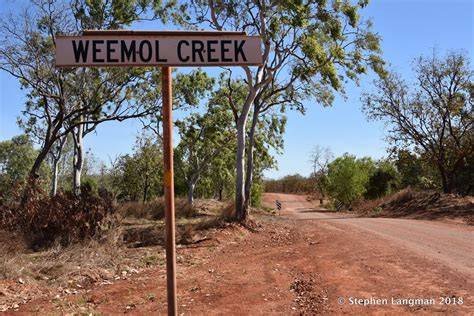
In Weemol, a Central Arnhem Land community, ranger Sebastian Lee said essentials are becoming unaffordable. He noted the nearest major town, Katherine, is 400 kilometres away and that it now costs about $280 to fill a tank for the trip. He said fuel is more than $4 per litre and food in the community store was already double city prices before recent increases.
Mr Lee warned that a diesel shortage could halt Mimal ranger group’s annual bushfire mitigation work and jeopardise the community’s diesel power station. He appealed for governments to ensure power continuity and provide additional assistance for residents.
Mimal Land Management chief executive Dominic Nicholls has urged the Federal government to prioritise support for remote communities, saying there is a need to recognise the “extreme gap” that exists and to consider relief packages for some of the poorest communities.
Costs keep climbing
The nearest grocery outlet to Weemol, in Bulman, is run by Outback Stores, the government’s remote groceries company. The corporation told the ABC that fuel-price impacts on stock had been minimal so far, but warned continued upward pressure is expected to flow through in the coming weeks and that price adjustments may become necessary.
The Arnhem Land Progress Association (ALPA), which operates 27 stores across remote NT and Queensland, said it had spent “hundreds of thousands of dollars” to absorb higher transport costs, but is now passing on suppliers’ price rises of up to 10 per cent. ALPA has also increased some remote diesel bowser prices to $4.40 per litre.
ALPA chief executive Alastair King asked the government to assist, particularly with support for sea freight providers, noting relief offered for road transport does not help a critical part of the remote supply chain.
Welfare measures and policy advocacy
Central Land Council (CLC) general manager Josie Douglas is lobbying the government to increase welfare payments for remote NT residents. She called for an urgent rise to the Remote Area Allowance as the most straightforward way to deliver cost-of-living support.
Federal Indigenous Australians Minister Malarndirri McCarthy said she would lobby her cabinet colleagues after hearing concerns from remote communities, including those raised by NT land councils about the Remote Area Allowance.


- ACT
- AFL / AFLW
- Arts
- Athletics and Olympics
- Business
- Conditions and Research
- Culture
- Elections
- Employment and Careers
- Enterprise and Startups
- Entertainment
- Events and NAIDOC
- Fashion
- Film and TV
- Food
- Government and Policy
- Grants and Funding
- Health
- Healthcare and Services
- Heritage and History
- International
- Language
- Legal and Justice
- Lifestyle
- Mental Health and Wellbeing
- Music
- National
- News
- NRL and Rugby League
- NSW
- NT
- Olympics
- Opinion
- Other Sports
- People and Profiles
- Podcast
- Politics
- Property and Land
- QLD
- SA
- Sports
- TAS
- Technology
- Travel
- Treaty and Truth-telling
- VIC
- Voice and Referendum
- WA