Research calls for Indigenous agency in academic publishing
New research is calling for a fundamental shift in how Australian universities and scientists publish research that draws on Indigenous Knowledges.
The study led by Flinders University and the Australian Institute of Marine Science (AIMS), argues that Indigenous groups must be treated as active partners in research publications — not just contributors acknowledged in footnotes or ‘personal communications’.
As governments, funding bodies and institutions increasingly emphasise Indigenous engagement, the authors — a collective of Traditional Owners, non-Indigenous and Indigenous researchers in ecology, archaeology, anthropology, history, and law, experts in Indigenous relations, and librarians based in Australia — say publication practices have failed to keep pace, leaving communities without real control over how their Knowledges are used, cited, or shared.
Few formal systems
Across Australia, Indigenous Knowledges already underpin some of the country’s most important research, from cultural fire management and biodiversity conservation to marine science and climate adaptation.
Yet the research found that although scientists frequently rely on these Knowledges, there were few formal systems to ensure Indigenous consent, authority, and data sovereignty are respected once findings are published.
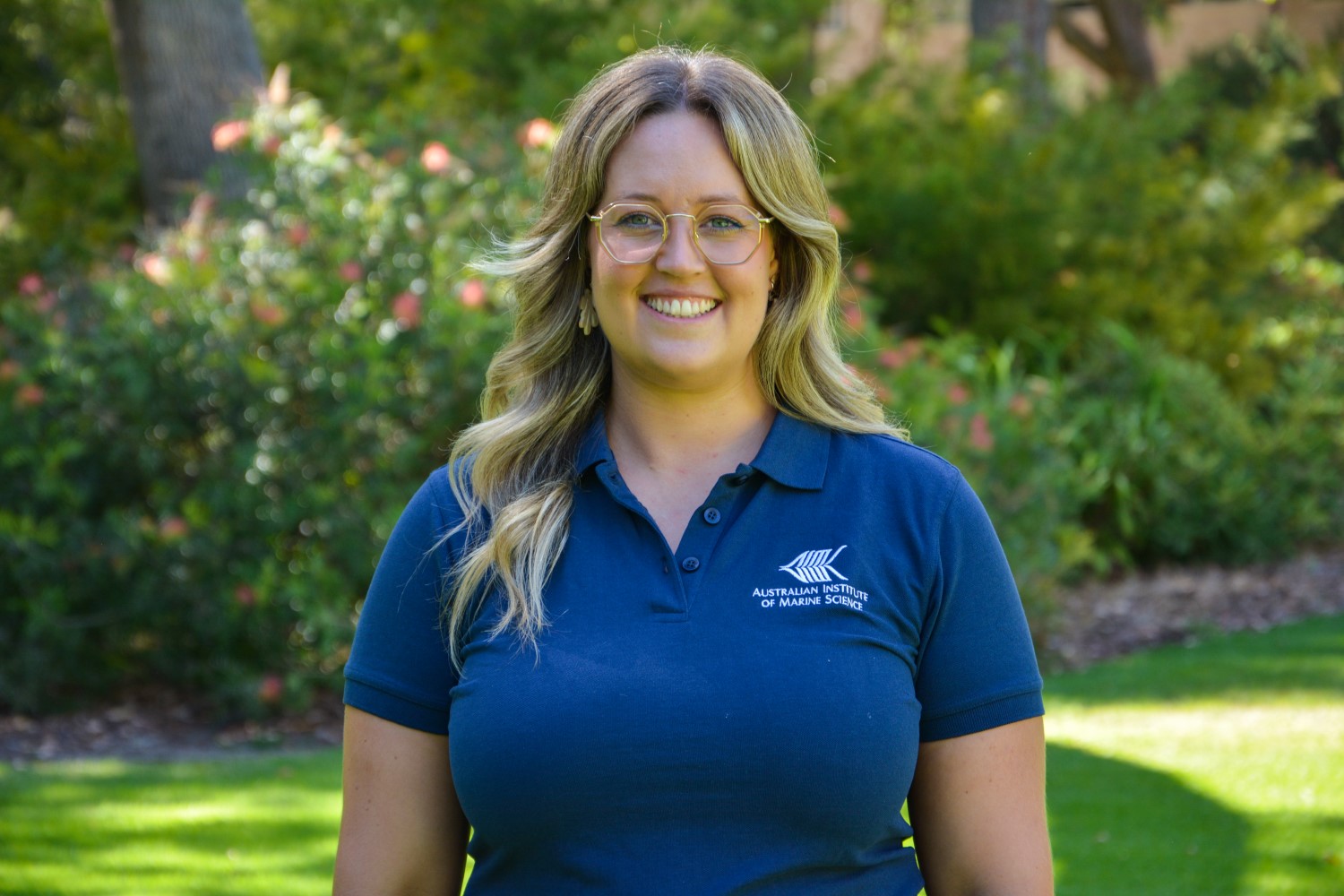
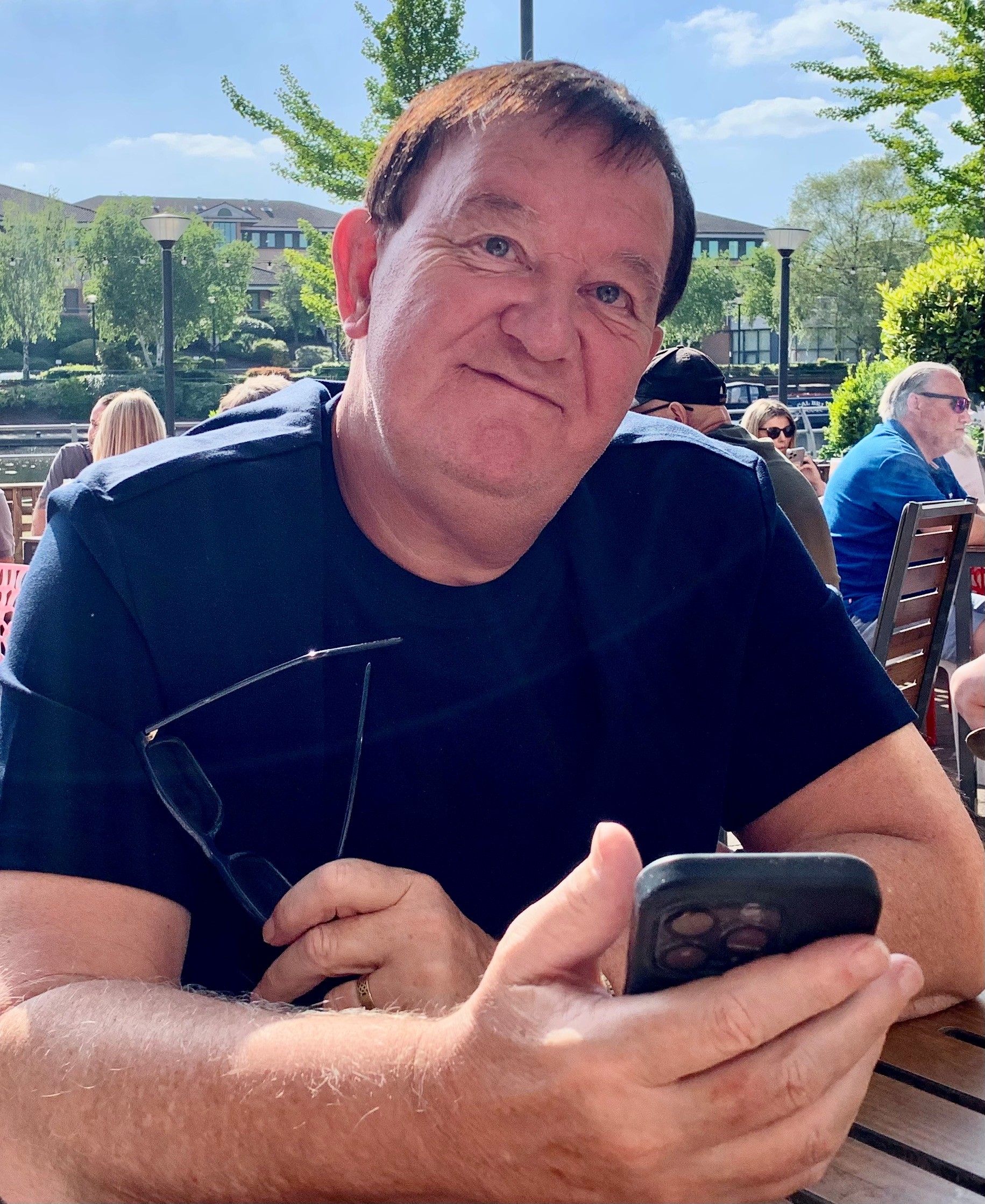
Lead author Christine Barry.
“Indigenous Knowledges are not historical artefacts, they are living, evolving systems of knowing that are actively shaping contemporary science, but the way research is published often obscures that reality,” says lead author Christine Barry, a PhD candidate with AIMS.
The paper focuses on Australia’s First Nations communities, which include more than 250 distinct language groups with their own governance structures, cultural protocols, and systems of authority.
The research concludes that a single national or international citation standard is not only impractical, but potentially harmful, because it risks flattening this diversity and reproducing colonial power imbalances within academia.
Long-term collaborations
Instead, the authors propose a dynamic, community-led approach that embeds Indigenous consent and decision-making throughout the research and publication process.
That process includes recognising when Indigenous groups prefer co-authorship over citation, when Knowledges should be attributed to Country (the ancestral lands, waterways, seas, and skies to which a particular Indigenous group is connected and belongs, and of which it is custodian) rather than individuals, and when certain information should not be published at all.
The paper points to long-term collaborations that show what good practice can look like when Indigenous groups are involved from the outset.
“One good example is Flinders University’s maritime archaeology work led by Professor Jonathan Benjamin in collaboration with the Murujuga Aboriginal Corporation in the Pilbara, where research has been shaped through sustained partnership, community governance and clear agreements around data use, authorship and consent,” co-lead author, Corey Bradshaw from Flinders University, said.
“Rather than treating engagement as a compliance exercise, these projects embed Indigenous authority into how co-designed research questions are framed and how results are communicated.”
Meaningful engagement
Other examples cited include partnerships with Banbai Rangers in New South Wales to co-design cultural burning calendars that reduce bushfire risk, and collaborations with Bardi Jawi Rangers in northern Western Australia to monitor coral reefs and fish populations within Indigenous Protected Areas. In each case, Indigenous Knowledges are not supplementary, but foundational to the research outcomes.
Professor Bradshaw said a major finding of the study was that trust cannot be retrofitted at the publication stage.
“Meaningful engagement takes time, resources, and institutional support, and we should not assume communities want their Knowledges cited or published,” he said.
“The right to say “no” — including the right to withdraw consent — is described as central to genuine Indigenous data sovereignty, even though this challenges conventional academic expectations of permanence and open access.”
Co-author Uncle Bob Muir, a Woppaburra Elder and Indigenous Partnerships Co-ordinator at AIMS, said that improving how Indigenous Knowledges were cited was not about adding another layer of bureaucracy, but about recognising First Nations Peoples as authorities whose rights continue beyond the fieldwork stage.
“Finally, we are excited to see the amplification of Indigenous Knowledge systems, after all, who wouldn’t want to learn alongside cultures that mastered the aerodynamics of a boomerang, long before the scientific field of aerodynamics was even established,” he said.