NSW Land Bill ‘undermines the Aboriginal Land Rights’
More than 250 leaders from the NSW Aboriginal Land Rights Network have convened an emergency meeting in Sydney’s western suburb of Parramatta to oppose the Crown Lands Management Amendment (Statutory Review) Bill 2026.
The NSW Aboriginal Land Rights Network, comprising Local Aboriginal Land Councils (LALCs) and the NSW Aboriginal Land Council (NSWALC), redirected Day One of the NSW Aboriginal Land Council 2026 Statewide Conference into an emergency session in response to what senior leaders described as the immediate threat posed by the Bill.
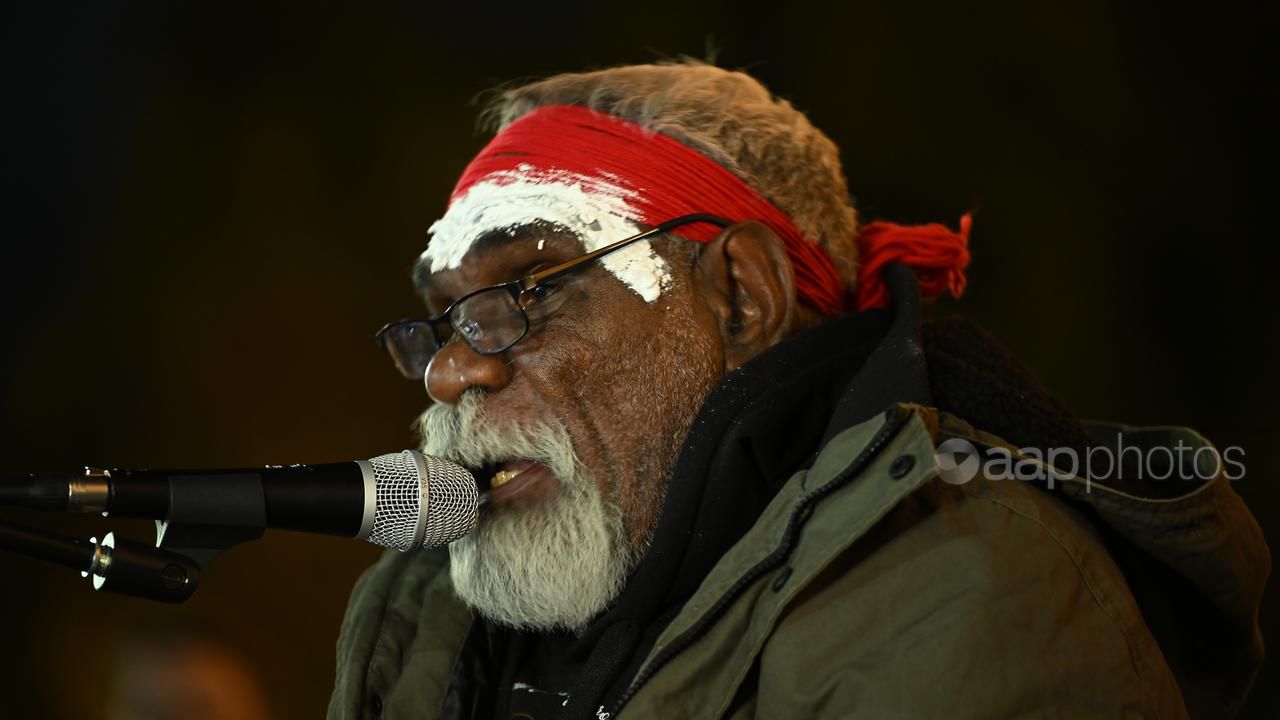
NSWALC Chairperson, Dr Raymond Kelly, said the gathering aimed to coordinate a unified response from the Network’s leadership.

NSWALC Chairperson, Dr Raymond Kelly.
He stated that leaders representing all 121 Local Aboriginal Land Councils and their 30,000 members would develop a coordinated strategy to oppose the legislation. He framed the move as a decisive stand against the “hollowing out of land rights” and referenced the intent of the 1983 framework introduced by Premier Neville Wran.
Key Points
- More than 250 leaders met in Parramatta for an emergency session
- Day One of NSWALC 2026 Statewide Conference pivoted to Bill opposition
- Network says Bill undermines the Aboriginal Land Rights Act 1983
- NSWALC warns of sweeping ministerial powers without checks
- One provision could affect about 3,000 currently claimed land parcels
- Minister Steve Kamper framed changes as minor procedural amendments
- Network disputes government claims and cites public interest risks
“Today, leaders representing all 121 Local Aboriginal Land Councils and their 30,000 members will come together to develop a coordinated strategy to oppose this legislation,” he said.
“This is about standing united and taking decisive action against the hollowing out of land rights. When Premier Neville Wran introduced the only land restitution framework in Australia in 1983, I am sure he didn’t think that a Labor Government would be killing it in 2026.
“This impacts more than just our people. It impacts the entire NSW public.”
“This impacts more than just our people.”
— Dr Raymond Kelly
Objections to the Bill
The Bill has been framed by Minister for Lands and Property, Steve Kamper, as containing minor procedural amendments. The Network strongly rejects this characterisation, warning that the proposed changes directly undermine the Aboriginal Land Rights Act 1983 (ALRA) and weaken longstanding public protections over Crown land in NSW.
NSWALC argued the Bill would expand ministerial authority in ways that remove balances and checks, describing the shift as an unprecedented overreach that undermines the legal framework underpinning land rights.
The Network has also disputed suggestions that the Bill would affect only a small number of sites, pointing to one provision that could impact approximately 3,000 parcels of land currently under claim with the NSW Government.
NSWALC has raised serious concerns following comments made by Minister Kamper in The Australian. In an article published on March 21 the Minister acknowledged that the Bill would impact land rights, which the Network says contradicts claims that the reforms are intended to improve land rights outcomes.
According to NSWALC, the Minister further said the Bill would only apply to land never intended to be claimable by Aboriginal people.
Dr Kelly rejected that position, citing established law and precedents set by the highest courts in the country as the basis for land claim processes over more than four decades. He also challenged any suggestion that the scale of impact is small.
“The comments made by the Minister are simply not true.”
— Dr Raymond Kelly
Dr Kelly said the assertion that around 3,000 parcels of land is a “very small number” showed disregard for the scale and significance of what is at stake for both Aboriginal people and the broader community.
He stated the matter extended beyond Aboriginal Land Rights, characterising the Bill as a threat to the public interest that would prioritise private commercial interests over Community use of Crown land. He described the Aboriginal Land Rights Act as the result of decades of advocacy and warned that altering its intent would set a dangerous precedent.
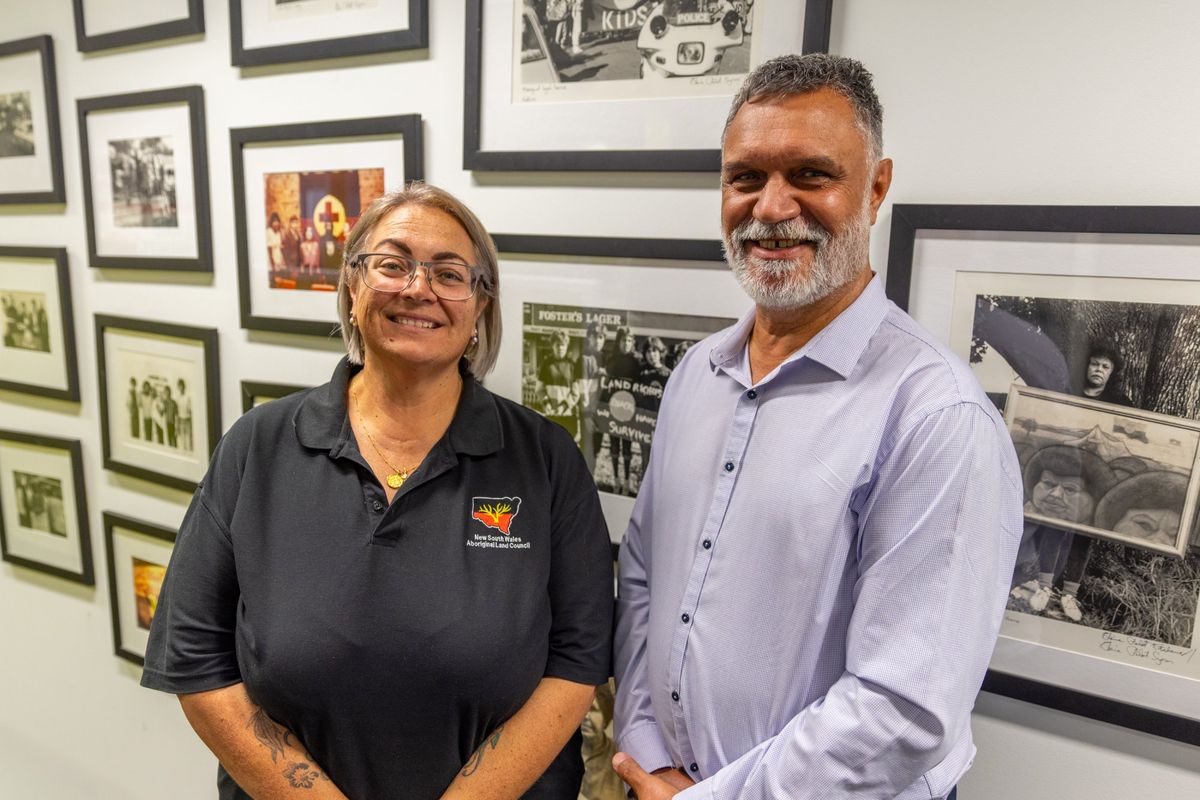
Deputy Chair, Cr Leeanne Hampton and Chairperson, Dr Raymond Kelly.
Broader impacts
NSWALC Deputy Chairperson, Cr Leeanne Hampton, said it was clear the NSW Government was motivated by a desire to overcome the Australian High Court’s recent decision around Quarry Street. She described the Bill as harmful, asserted there has been a failure to act in the best interests of constituents, and said it was being advanced without proper consultation.
“This is yet another example of the NSW Government failing to act in the best interests of its constituents, pushing through harmful legislation without proper consultation,” Cr Hampton said.
“Land managers across NSW have already felt the impact of the State Government’s approach through Native Vegetation Regulatory Mapping and the so-called ‘Pink Zones’ – and now they are coming for Land Rights.
“Let’s be clear – a key driver of this Bill is to overturn the High Court’s Quarry Street decision. That sets a dangerous precedent for retrospective law-making, and every person in this State should be alarmed.
“The claim that this Bill won’t affect the broader community is simply not true. Local councils, regional landholders and neighbouring property owners will all be impacted by expanded Ministerial powers that go well beyond those of ordinary landholders.
“This is not just about Aboriginal Land Rights. We are the canary in the coal mine. If governments can do this here, the real question is – where does it stop, and who is next?”

NSWALC Chief Executive Clare McHugh.
Expansion of government power
NSWALC CEO, Clare McHugh, said it was deeply concerning to see the NSW Government pursuing what she described as a regressive policy initiative.
“At a time when we are seeing rights rolled back across the world, it is deeply concerning to see the NSW Government heading in the same direction. This Bill signals a shift away from protecting rights and toward expanding unchecked government power,” she said.
“The erosion of rights and expansion of government powers, which has been pushed through without proper consultation, is completely at odds with the rule of law and basic democratic process.
She said the Bill signals a shift away from protecting rights and toward expanding unchecked government power, adding that pushing through such changes without proper consultation is at odds with the rule of law and basic democratic process.
“This is not how good law is made. This is not a fair go. The people of NSW should be concerned with the approach the NSW Government is taking.”
NSWALC said it remained hopeful that Premier Minns and his Government would reconsider. The organisation encouraged all Aboriginal people and Allies to stay informed, raise awareness locally, and engage with their local MPs about the implications of the Bill and the Network’s opposition.