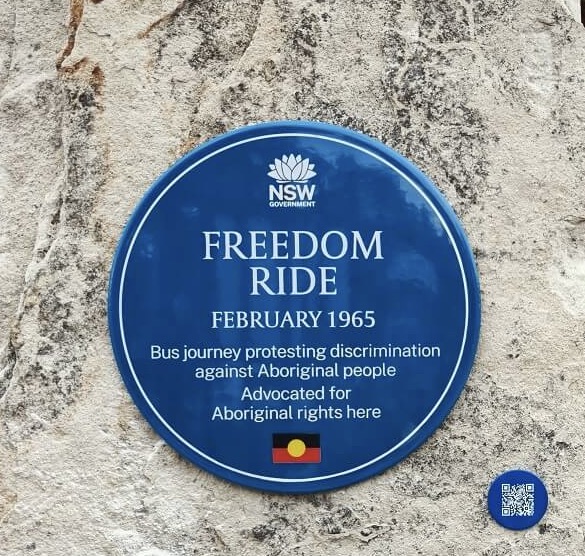
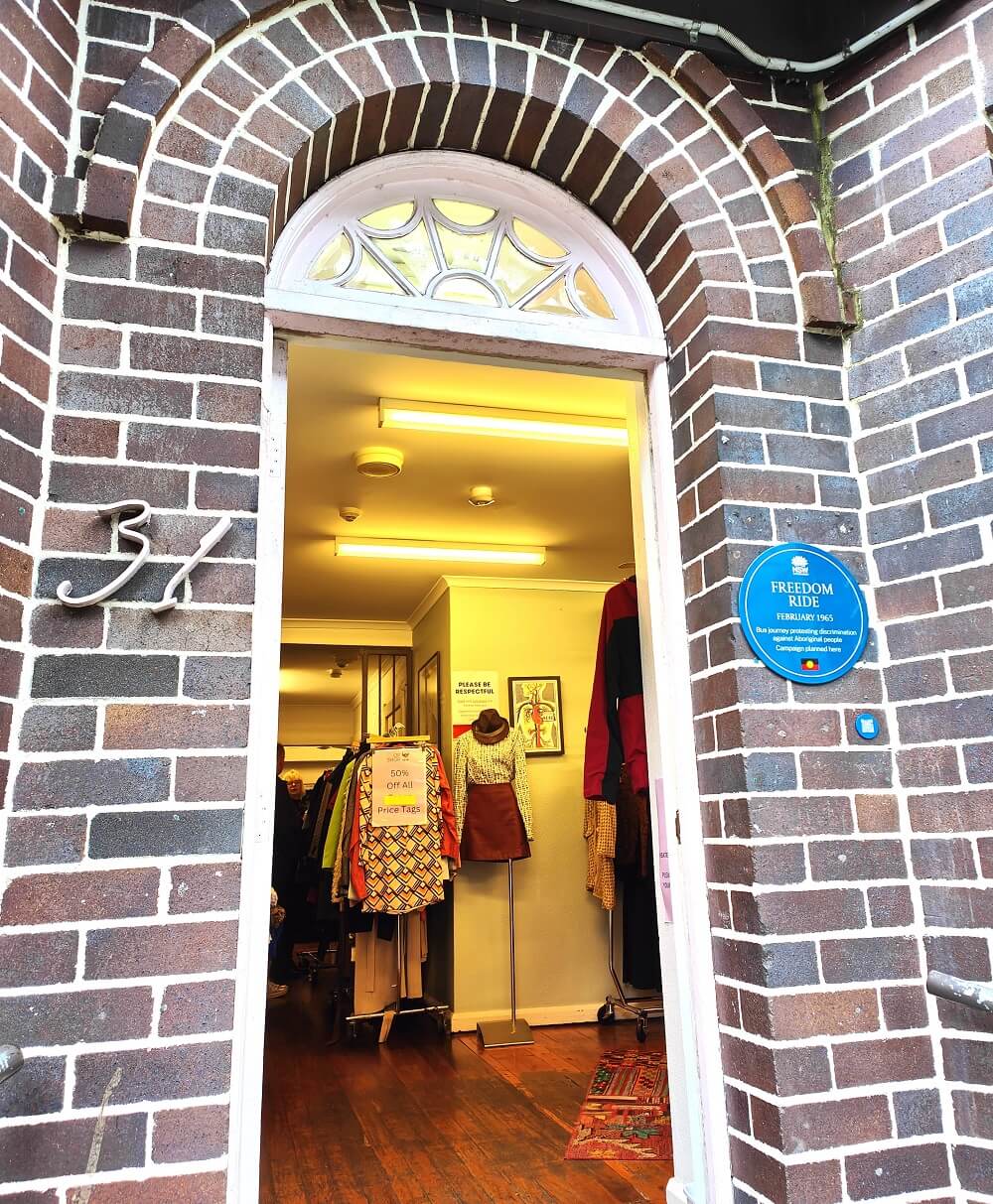
Blue plaque to symbolise injustices faced by Aboriginal people
A Heritage NSW Blue Plaque proposed for Moree is intended to memorialise the 1965 Freedom Ride and acknowledge the entrenched injustices that Aboriginal people faced in the town and beyond.
For local Elders and community historians, the plaque is as much about lived experience as it is about a single historic day.
Heritage NSW’s Blue Plaque plan for Moree advances with Elders’ input, recalling the 1965 Freedom Ride, a 1955 by-law, and lived experiences shared by Dianne Creighton.
The push for a plaque in Moree centres on the events of February 19, 1965, when a bus-load of Sydney University students, led by Charlie Perkins, arrived in the town.
The confrontation at Moree Bore Baths became a defining moment in the Australian Indigenous civil rights movement, drawing widespread media attention and bringing the injustices faced by Aboriginal people to national consciousness.
While the Freedom Riders encountered other flashpoints in places such as Kempsey and Bowraville, the events at Moree came to symbolise the tour that changed minds across Australia and helped pave the way for a landslide referendum two years later, when more than 90 per cent of Australians voted ‘yes’ to give Indigenous Australians full rights as citizens.
Key Points
- Heritage NSW consults Moree Elders on a Blue Plaque commemorating 1965
- The Freedom Ride exposed apartheid-like by-laws barring Aboriginal people
- By-law passed in 1955 restricted access to the baths and town hall
- Moree events helped galvanise support for the 1967 referendum
- Locations proposed: Artesian Aquatic Centre and War Memorial Hall
- Dianne Creighton recalls fear, exclusion, and rare acts of inclusion
A defining chapter in the civil rights movement
At Moree, students gathered a number of Aboriginal children and attempted to gain entry to the pool. Three hours of heated negotiations followed, primarily with Moree mayor Bill Lloyd. A large and hostile crowd formed. Fights broke out, people were knocked over, and punches and eggs were thrown at the Freedom Riders and their supporters.
Several arrests were made. Images from the day show Moree mayor Bill Lloyd escorting a university student from Moree Bore Baths during the Freedom Ride, and Freedom Riders protesting on the steps of Moree War Memorial Hall.
The students had begun their regional New South Wales journey in Wellington, Gulargambone and Walgett. They travelled on to Moree, Boggabilla, Tenterfield, Grafton, Lismore, Bowraville and Kempsey. Student Action for Aborigines, led by Charles Perkins, framed the tour as a journey of discovery that would confront segregation and discrimination across regional communities.
The local rule that set Moree apart
What distinguished Moree was a by-law enacted by Moree Municipal Council in 1955. Ten years before the Freedom Ride, the council introduced a rule that prevented Aboriginal people from entering Moree Bore Baths and Moree War Memorial Hall.
The by-law applied to council-owned and managed facilities, and its effects extended far beyond those two sites. For Aboriginal families living on the fringes of town, many other premises were effectively off-limits. As recalled by community members, many Moree pubs and clubs, and some retail shops, cafes and eateries, did not allow Aborigines on their premises, while others did.
Moree Artesian Aquatic Centre—formerly known as Moree Bore Baths—remains a focal point of this history. So does Moree War Memorial Hall, where Freedom Riders gathered on the steps and where the council chambers were once located.
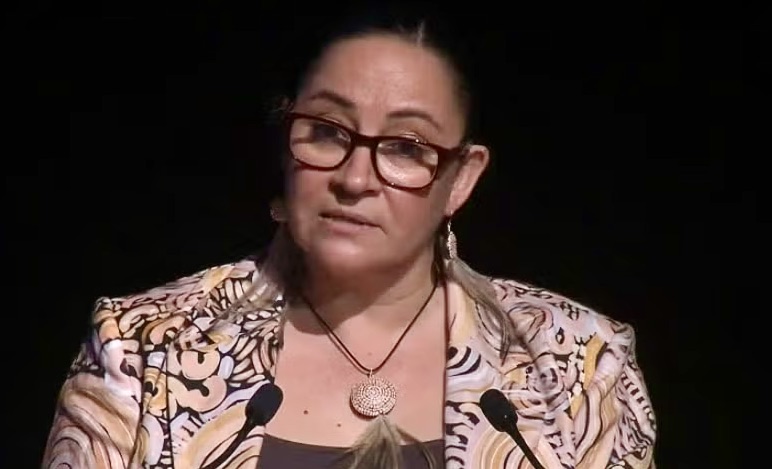
Dianne Creighton, a Moree Aboriginal custodian and historian, emphasised that the council by-law was central to daily exclusion. She described an apartheid-like system that governed access to basic services and community life.
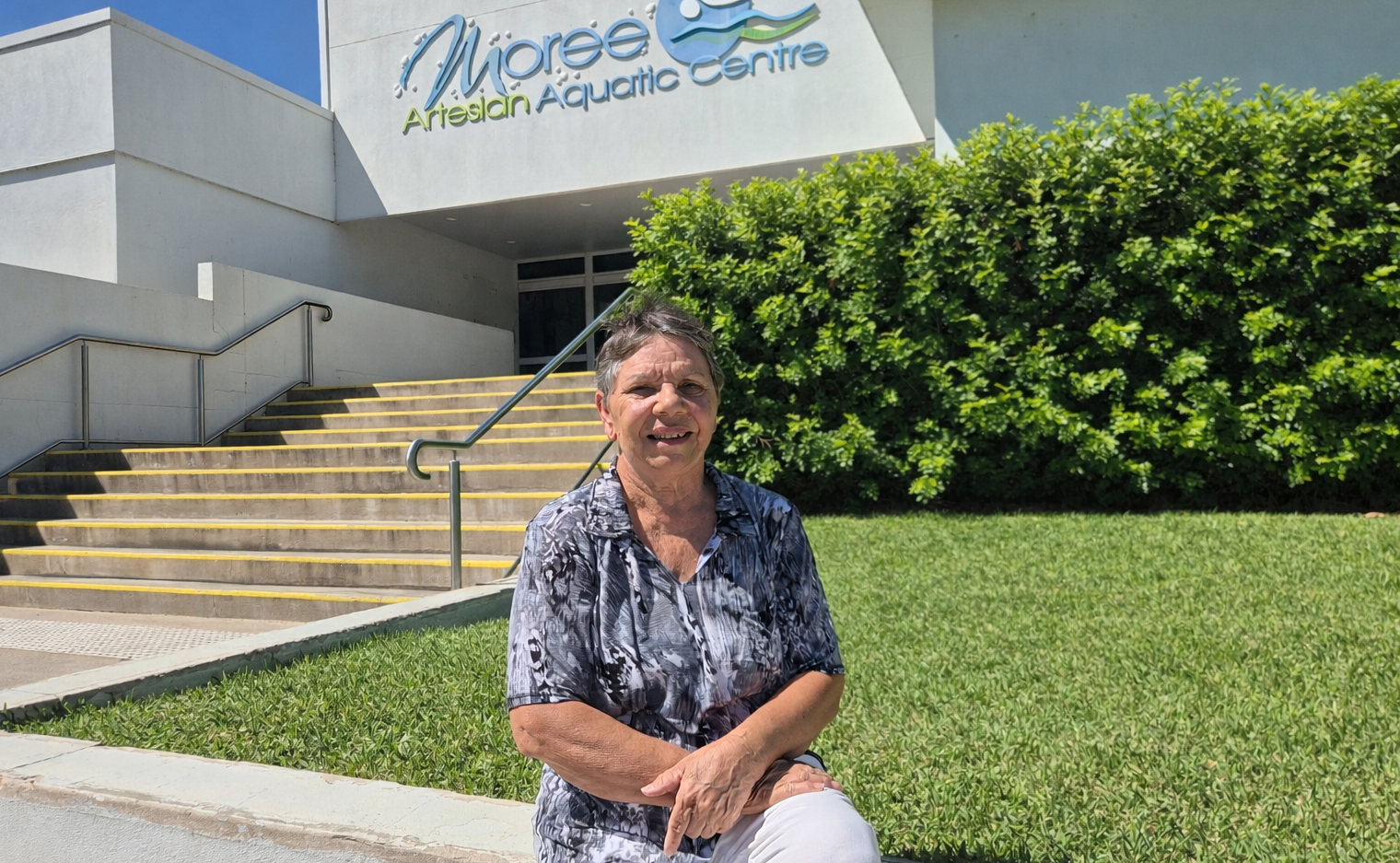
Dianne Creighton outside the baths, now named the Moree Aquatic centre. (Photo: Moree online News)
Lived experience
Ms Creighton, recalled as a child the fear and threat shaping her parents’ choices. The risk of punishment—“like being thrown off the reserve”—and the spectre of what is today known as the Stolen Generation kept families from challenging authority.
She said the family’s survival depended on avoiding confrontation, even as they navigated constant restrictions.
“Basically, we could come to town to get our supplies, and then get out,”
— Dianne Creighton, Moree Online News
Community consultation and proposed sites
Heritage NSW staff recently consulted local Elders in Moree, moving the Blue Plaque proposal a step closer. Communities across New South Wales were invited last year to nominate towns and locations for a Freedom Ride Blue Plaque Trail, and Moree was quickly put forward by local residents and Elders. Proposed locations include:
- Moree Artesian Aquatic Centre on Anne Street (formerly Moree Bore Baths)
- Moree War Memorial Hall on Balo Street, where the council chambers were once located
Advocates in Moree view the Blue Plaque as a durable form of public memory. The proposed plaque would compact a complex history into a visible marker at a site where pivotal decisions were taken and contested. With a QR code offering interactive learning, the plaque is intended to function as a “living textbook,” inviting residents and visitors to engage with the Freedom Ride’s legacy, the 1955 by-law, and the courage of those who resisted exclusion and those who opened doors.