Stalemate over cleanup of asbestos in Indigenous communities
The Walgett Shire Council is demanding the NSW government remove asbestos-contaminated material stockpiled near homes in the Aboriginal communities of Namoi and Gingie, as the State cites legacy contamination and says it is working with local bodies to address the issue.
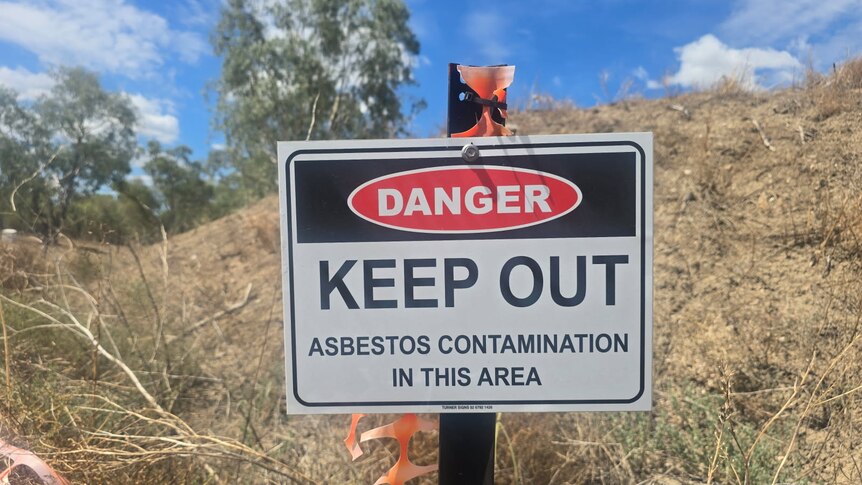
The council has said around 40,000 cubic metres of asbestos-contaminated waste has been sitting in two large piles close to family homes and play areas in the Namoi and Gingie communities outside Walgett since 2023.
The council also said asbestos-contaminated material has sparked health fears in the Aboriginal communities of Namoi and Gingie and has alleged the material is linked to the State government’s Roads to Home program.
The government has said ays the contamination predates its project.
Key Points
- Council cites about 40,000 cubic metres of asbestos-contaminated waste
- Two large piles are near homes and play areas since 2023
- Council links stockpiles to the NSW Roads to Home program
- State says contamination is a legacy of historical dumping and practices
- $6.08 million provided to LALC for legacy asbestos remediation
- EPA assisting Council and Crown Lands for the last two years
Council demand and cost impasse
The council general manager Andrew Brown has called for immediate removal of the stockpiles. He said the clean-up was stalled over costs to dispose of the material and a disagreement about charges.
He said Crown Lands had approached the then-council to seek a reduction in landfill fees to move the asbestos to the Walgett landfill site. He added there was an argument about GST that stalled the process. Mr Brown has been the general manager for the past 12 months.
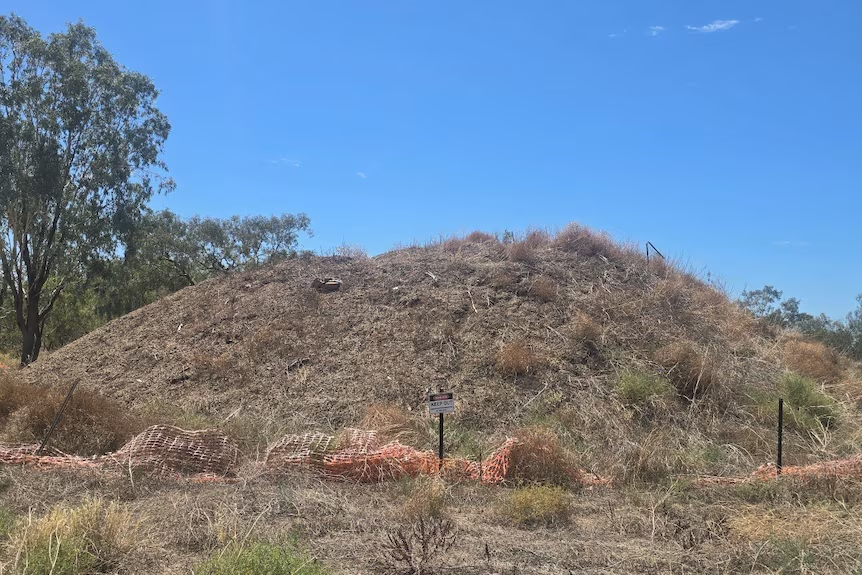
An image of the dumped asbestos. Picture: Walgett Shire Council.
“We’ve had enough,” Mr Brown told the ABC.
Mr Brown said it was time the asbestos-contaminated material was collected and taken to the landfill site.
Government position
The NSW government has disputed that the contamination stems from its Roads to Home program.
A spokesperson for the Department of Planning, Housing and Infrastructure said the asbestos material was a legacy issue caused by historical illegal dumping, deteriorating fibro housing and inadequate demolition practices that occurred previously in the Namoi and Gingie communities.
The government has said it is working with Walgett Local Aboriginal Land Council and Walgett Shire Council to address the issue.
DPHI said $6.08 million in funding has been provided to Walgett Local Aboriginal Land Council to support remediation of the legacy asbestos as part of total grant funding of $15.3 million to support delivery of Roads to Home program civil infrastructure upgrades in the communities.
Timeline
2021–2022: Collection and signposting
The ABC reported asbestos was collected and signposts were erected around the material in 2021–2022. The signposts marked the stockpiles while authorities considered next steps.
2023–2024: Planning and disposal options
In 2023–2024, authorities began planning how to dispose of the asbestos. Options considered included a reduced disposal fee at the tip and encapsulating the contaminated material in place. The council said the clean-up stalled when landfill fee reductions and GST treatment were debated, and the piles remained in place.