Local hero Frank wants to build a better future for mob
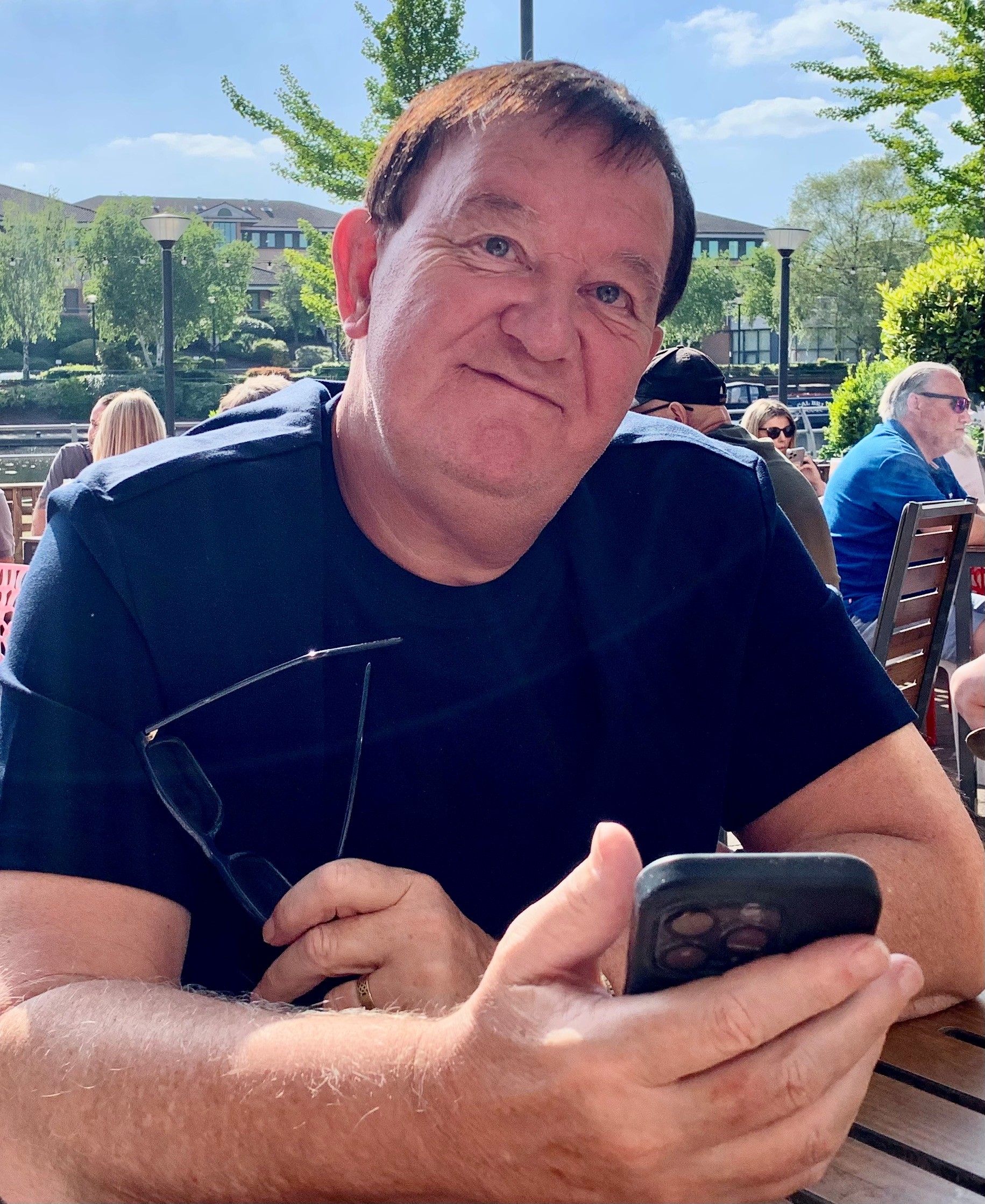
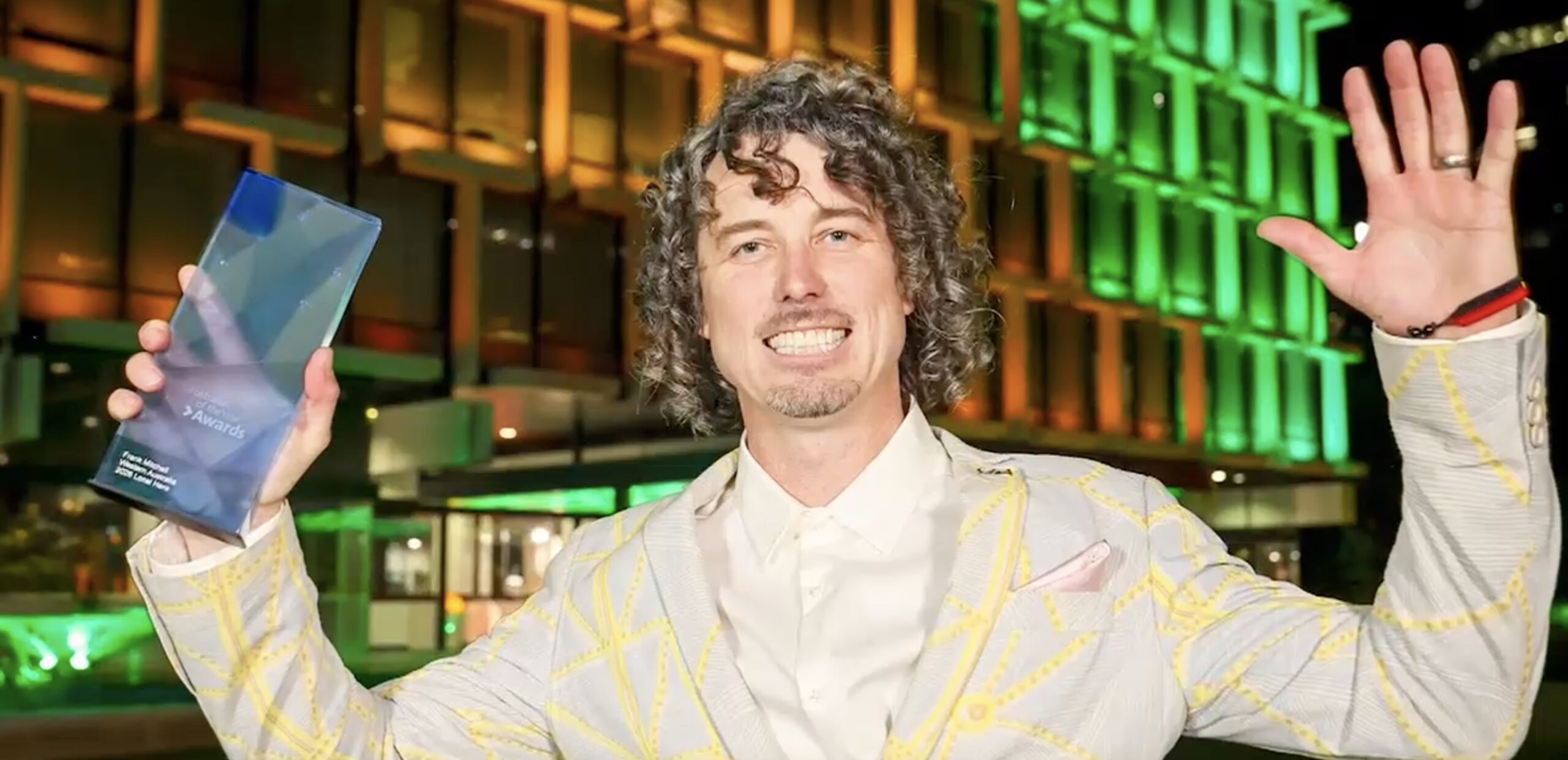
Indigenous construction leader, Frank Mitchell, from Perth, has been named Australia’s Local Hero for 2026 at the Australian of the Year awards in Canberra.
Frank, 43, a proud Whadjuk-Yued Noongar man, is co-director of Wilco Electrical and co-founder/director of Kardan, Baldja and Bilyaa in the trades and construction industry.
Frank’s commitment to change was shaped by early lived experiences of suicide and the loss of best friends.
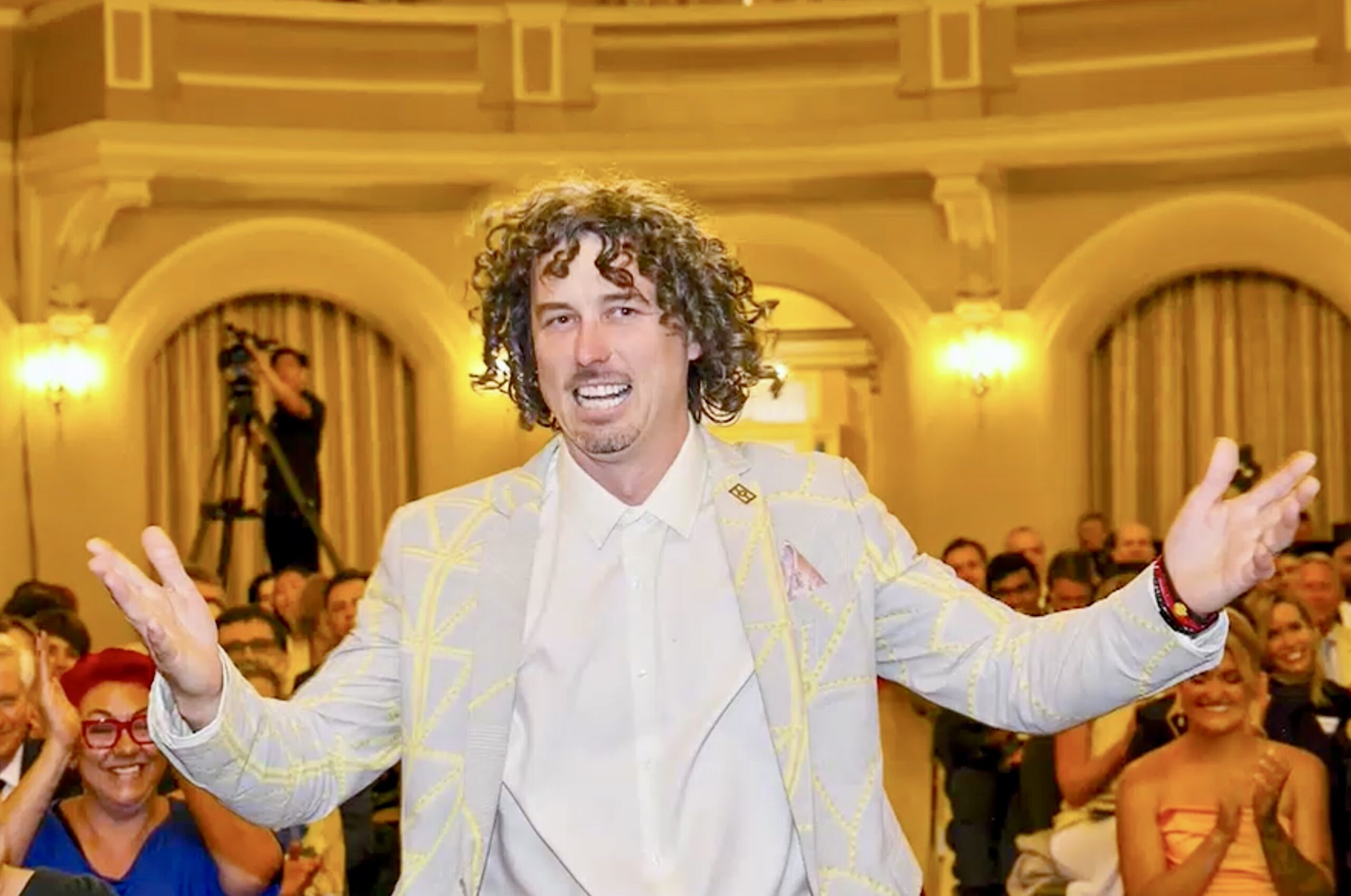
As a young single father, being offered an electrical apprenticeship felt like a profound opportunity. When he became a business owner in 2015, he pledged to create the same opportunities for Mob.
Inspiration to all
“Frank’s lived experience has inspired him to pay it forward and create opportunities for others,” National Australia Day Council CEO Mr Mark Fraser said.
“His approach to building an industry-led community that combines training, employment and culture is delivering stronger futures for people who need them most and demonstrates what can be achieved through collaboration and social inclusion.”
Starting with just eight staff and $1.5 million turnover, Frank and his partners have created over 70 Aboriginal upskilling positions in the electrical and construction industry, including 30 electrical apprenticeships and awarding over $11 million to Aboriginal subcontractors.
“When I began the journey that led me here, I was driven by lived experiences of suicide and loss. Over time, I have come to understand that what drives my work is something much bigger than my own story,” Frank said in his acceptance speech speech.
“When I started my apprenticeship, my life shifted. I was a single dad who had moved to the city from a small rural community.
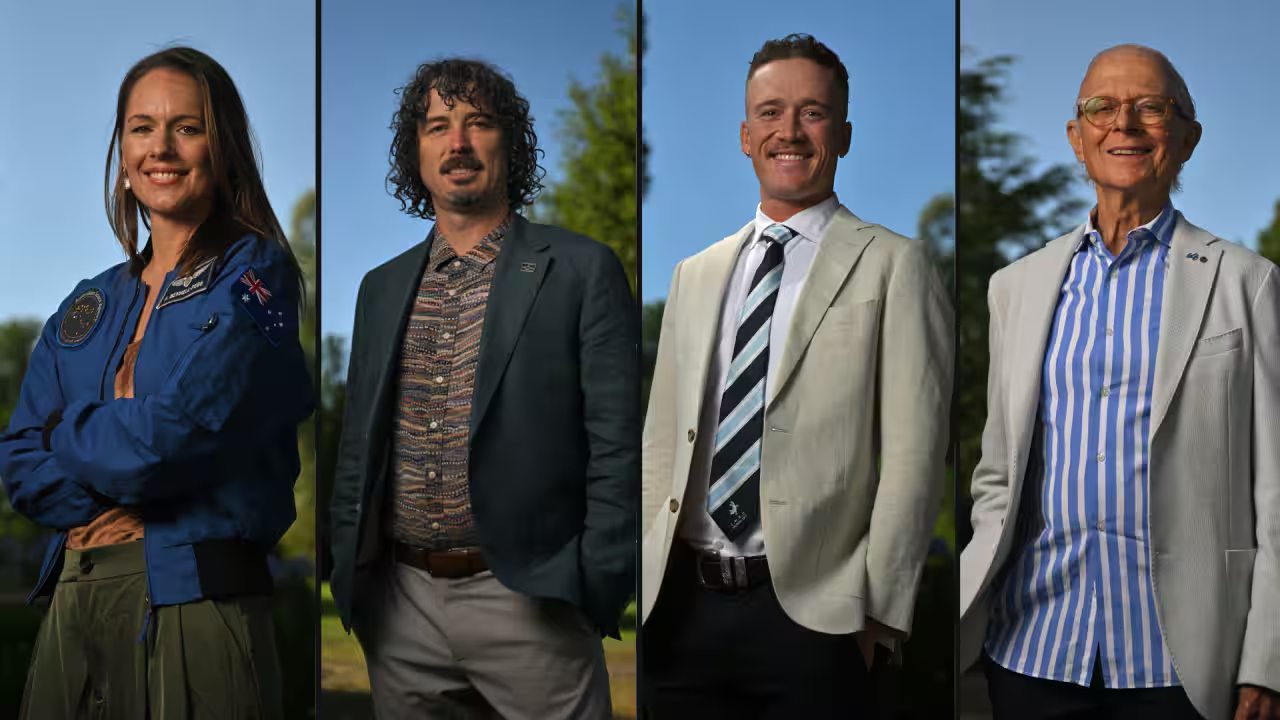
(From left to right): Australian of the Year Katherine Bennell-Pegg, Australia’s Local Hero for 2026 Frank Mitchell, Young Australian of the Year Nedd Brockmann, Senior Australian of the Year Professor Henry Brodaty AO. Source: AAP / Mick Tsikas
“I had scraped through school, was grieving the deaths of two close friends, and felt disconnected from who I was as an Aboriginal man living on colonised land. My uncle offered me a lifeline through a mature age apprenticeship.
Pride, hope, and stability
“I now understand that work and education are not just about income or career progression. They are determinants of health and wellbeing. Completing my apprenticeship gave me pride, hope, and stability. It gave me the foundation to provide for my family and to grow into leadership within my community.
“I wanted to pass that opportunity on to other mob who, like me, did not yet believe they had what it takes to start an apprenticeship, buy a home, connect to community, or lead.
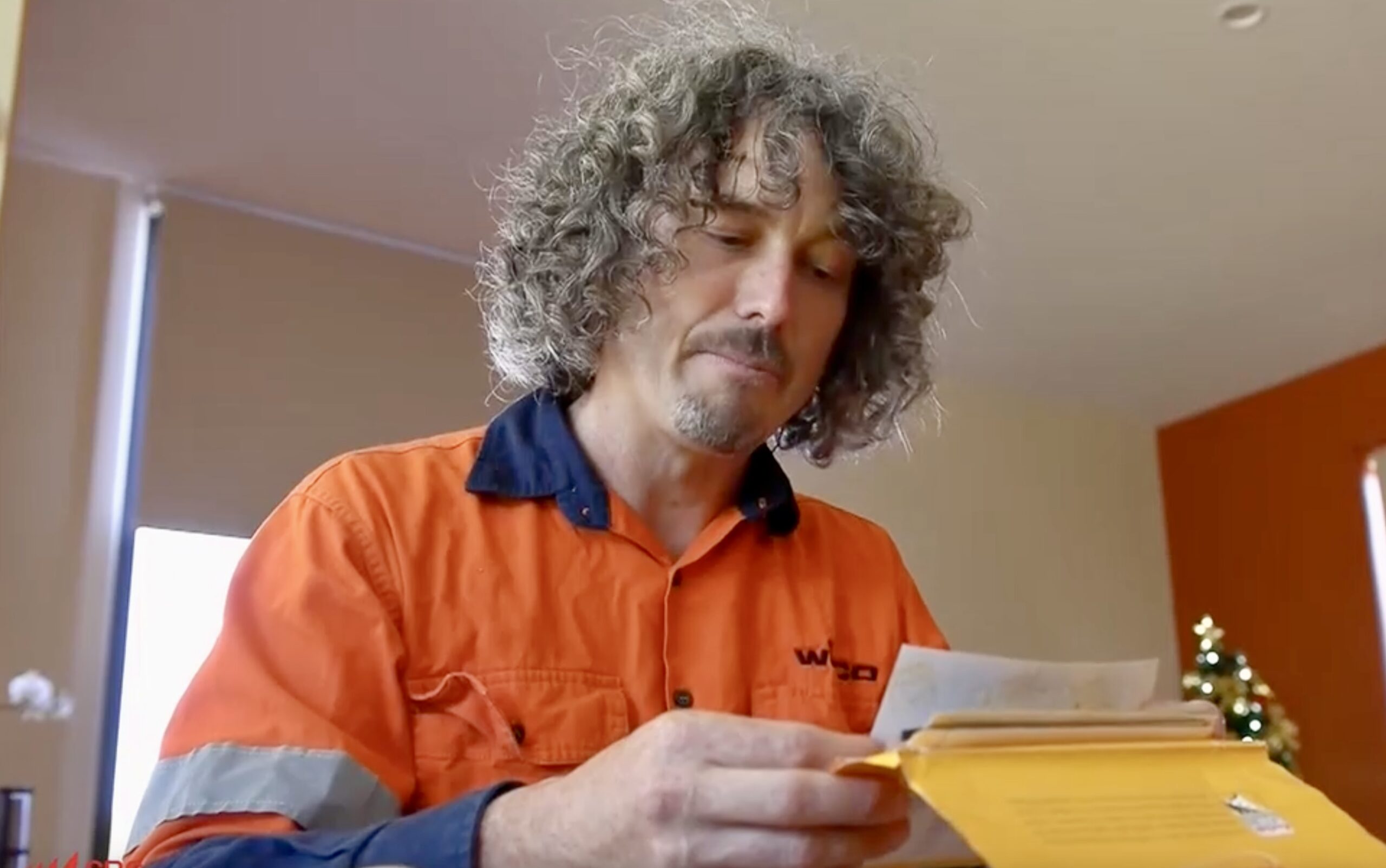
“My story is not unique. For some people, opportunity and belief might be enough. For mob, it is more complex. We are educated within systems that do not believe in us, that deny the depth of this land and our histories. We constantly navigate racism, stereotypes, and the ongoing impacts of colonisation.”
Mr Mitchell said he used to advocate for organisations to simply give Aboriginal people a job. But he realised opportunity alone is not enough.
“If workplaces are not culturally safe, mob may survive, but they are unlikely to thrive,” he said.
Support for mob’s social and emotional wellbeing
“Wilco and Kardan have worked to be places where mob are given a chance and feel safe. It does not always work, because people’s lives are complex and there is no one size fits all approach. But when it does work, the outcomes are powerful.
“What comes next is strengthening how we support mob’s social and emotional wellbeing at the individual level, within workplaces, and through cultural connection.
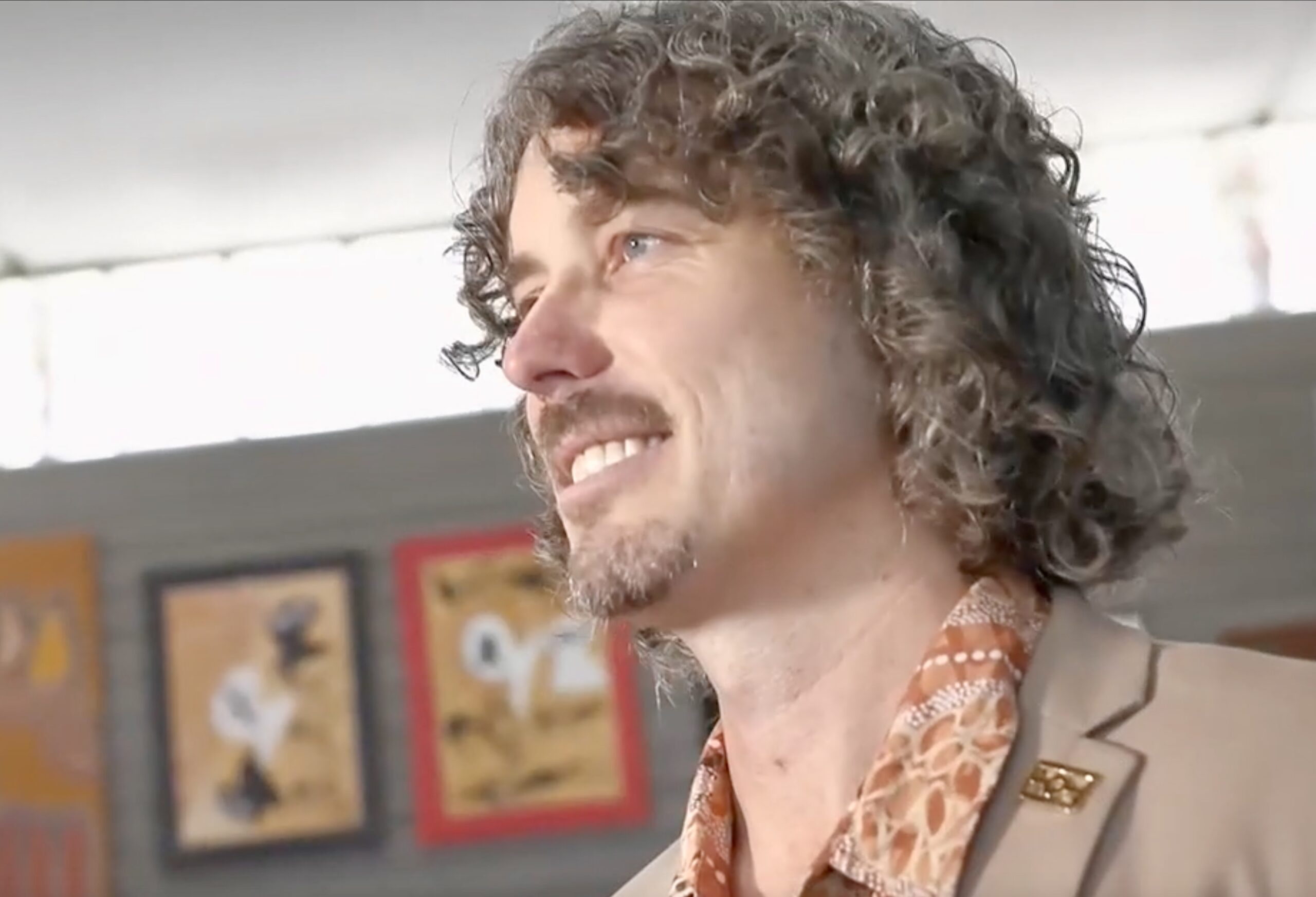
“For me, thriving and leading has come from connecting with Elders, community, and culture. I am learning what it means to be a good ancestor. Our old people have always known this as reciprocity.
“If Australians can embrace this ancient cycle of responsibility and reciprocity, we can build a better future for mob, for this country, and for those who come after us.”
Today, all four companies collectively employ over 200 full-time staff. His story embodies a vision that integrates cultural values with business leadership, strengthening his ties to community while reshaping the construction industry and creating lasting impact and social justice.