WHAT CAN WE EXPECT FOR OUR COMMUNITIES IN 2026?
In 2026 Indigenous communities can expect significant developments in digital inclusion, land management, and formal State-level treaties.
Major shifts are also expected in data collection via the national census and evolving government procurement policies.
Key Policy and Economic Changes
Indigenous Procurement Policy Reforms:
From July 1, 2026, stricter eligibility criteria will require businesses to be at least 51 per cent First Nations owned and controlled to access the IPP. The Commonwealth procurement target for Indigenous businesses will also increase to 3.25 per cent for the 2026-27 period.

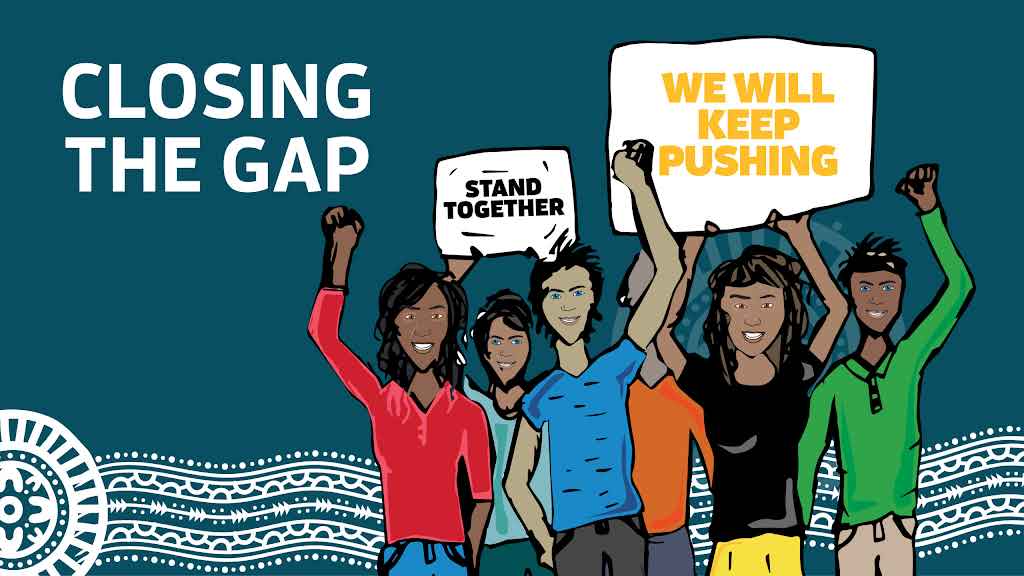
Target 17 of the National Agreement on Closing the Gap aims for Aboriginal and Torres Strait Islander people to have equal levels of digital inclusion.
Digital Inclusion Target:
2026 is the deadline for Target 17 of the National Agreement on Closing the Gap, which aims for Aboriginal and Torres Strait Islander people to have equal levels of digital inclusion (access, affordability, and ability) as other Australians.
Food Security:
A $50 million subsidy scheme will continue in its second year (2026-27) to lower costs for around 30 essential food and household products in up to 152 remote stores. 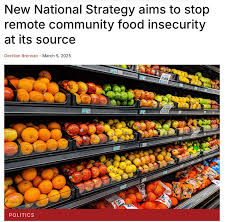
Education and Healthcare
Medical Studies Expansion:
From 2026, the government will remove the cap on Commonwealth Supported Places (CSPs) for First Nations students accepted into medical courses, guaranteeing funding for their studies.
Needs-Based University Funding: Starting January 1, 2026, a new demand-driven funding system will provide universities with additional per-student contributions to provide wrap-around support services for First Nations students.
First Nations Education Policy:
A comprehensive national policy defining aspirations and priorities for First Nations education is scheduled to be finalised in 2026.
Specialised Health Initiatives:
Expect continued rollout of $9.2 million for managing rheumatic heart disease and $11.4 million for establishing or upgrading community laundries in remote northern and central Australia to improve skin health.
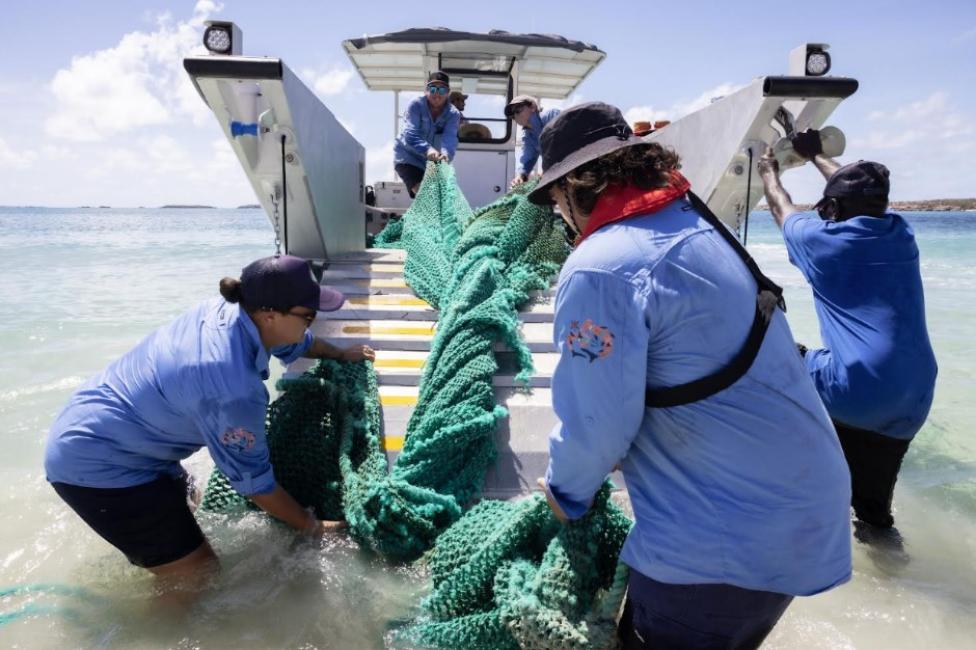
Murray-Darling Basin Indigenous River Rangers.
Land, Justice, and Safety
Environmental Programs:
The Murray-Darling Basin Indigenous River Rangers Program has been extended for two additional years, from 2026 to 2028.
Justice Reinvestment:
Ongoing funding of $20 million per year will begin in 2026-27 to support up to 30 community-led justice reinvestment initiatives aimed at reducing incarceration rates.
Violence Prevention:
Funding of $21.8 million will continue through 2026 to support critical prevention and response services for family and domestic violence in First Nations communities.
Key National Targets & Initiatives
Digital Inclusion Parity:
Under Target 17 of the National Agreement on Closing the Gap, 2026 is the deadline for Aboriginal and Torres Strait Islander people to achieve equal levels of digital inclusion in access, affordability, and ability.
2026 Census:
A new national Census will provide updated data to project population trends, measure life expectancy improvements, and guide future funding for community services.
Indigenous Procurement Policy:
Transition to new criteria for the IPP begins on July 1, 2026, aimed at ensuring First Nations business owners have greater control and rights as majority owners.
Environmental & Cultural Programs
Indigenous Protected Areas:
A new competitive grant round is expected to open in early 2026 to expand the program, which supports Traditional Owners in managing land and sea country.
Indigenous Ranger Program:
The government aims to achieve gender equity within the program by 2026.
Legal & Political Developments
Stolen Generations Redress:
The Territories Stolen Generations Redress Scheme will remain active through 2026, following its extension to mid-2028.
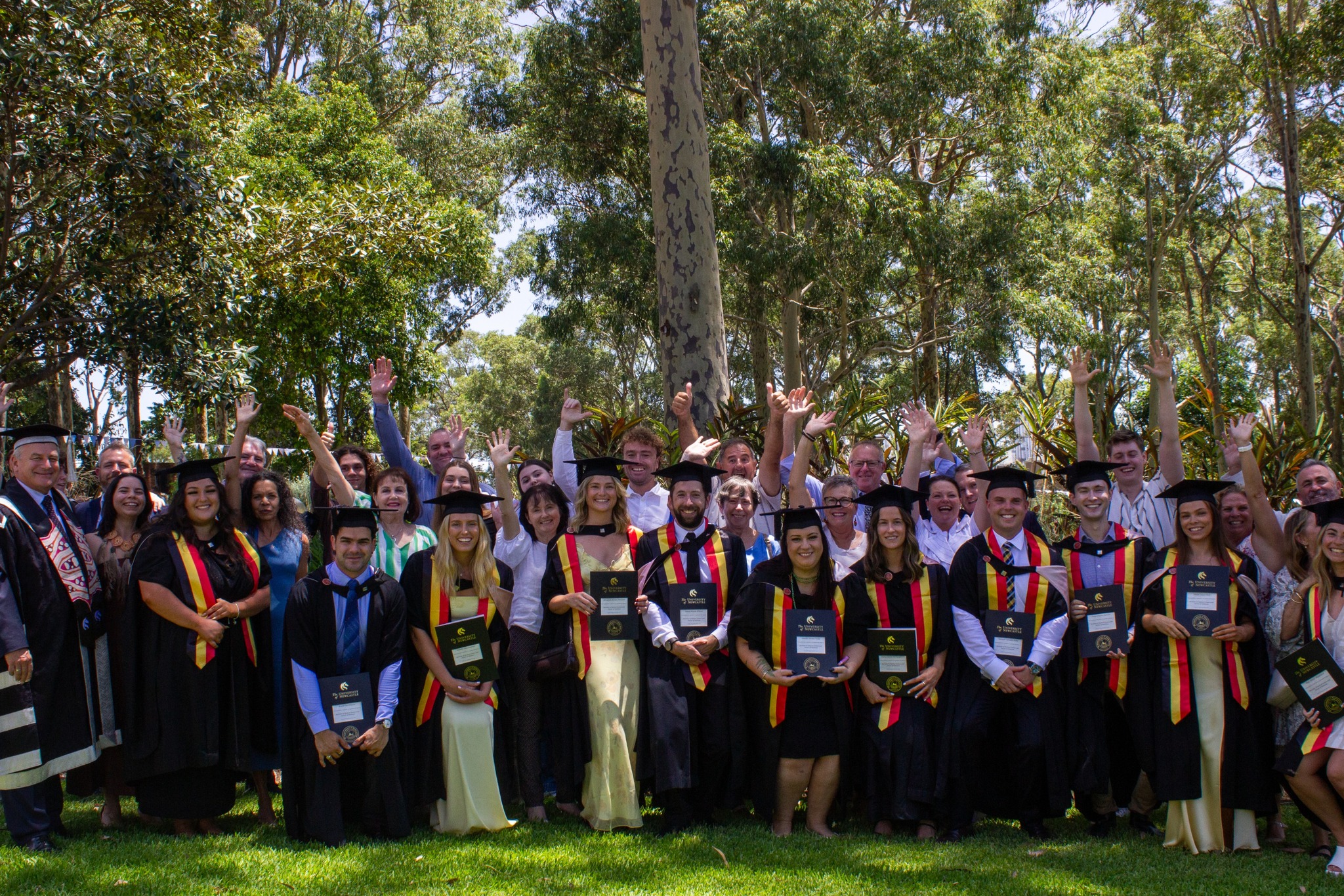
Celebrating the largest ever cohort of Indigenous doctors graduating from the Joint Medical Program at the University of Newcastle.
Social & Health Services
Child Safety:
First Action Plan 2023–2026 concludes its primary phase, focusing on reducing the over-representation of Indigenous children in out-of-home care.
Medical Training:
From 2026, the cap on the number of medical Commonwealth Supported Places will be removed for First Nations students to increase the Indigenous medical workforce.
Workforce Strategies:
Several state-level Aboriginal workforce strategies, such as those in Victoria, reach their 2026 target milestones for creating culturally safe employment experiences.
In 2026, Indigenous communities can expect a year of significant sporting celebrations, including the 30th anniversary of the Indigenous Nationals and expanded representation in professional leagues through systemic reforms.
Key Sporting Events and Rounds
30th Indigenous Nationals:
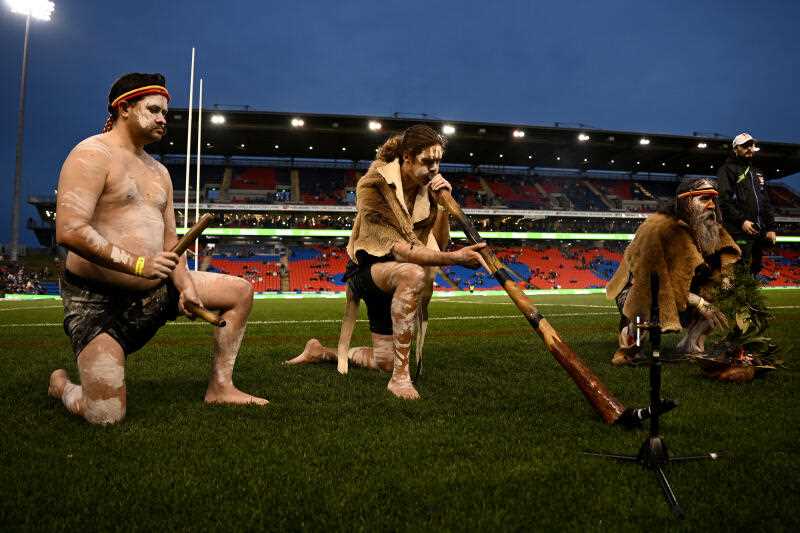
The University of Newcastle will host the historic 30th anniversary from June 29 to July 3, 2026. Over 500 student-athletes from 30-plus universities are expected to compete in basketball, netball, touch football, and volleyball.
NRL:
Australian Indigenous communities can expect continued engagement with the NRL through its established cultural and educational initiatives in 2026, notably the NRL All Stars match and the two-week Indigenous Round. The league will maintain its focus on existing programs like the School to Work program and support for NRL Cowboys House.
NRL All Stars Match:
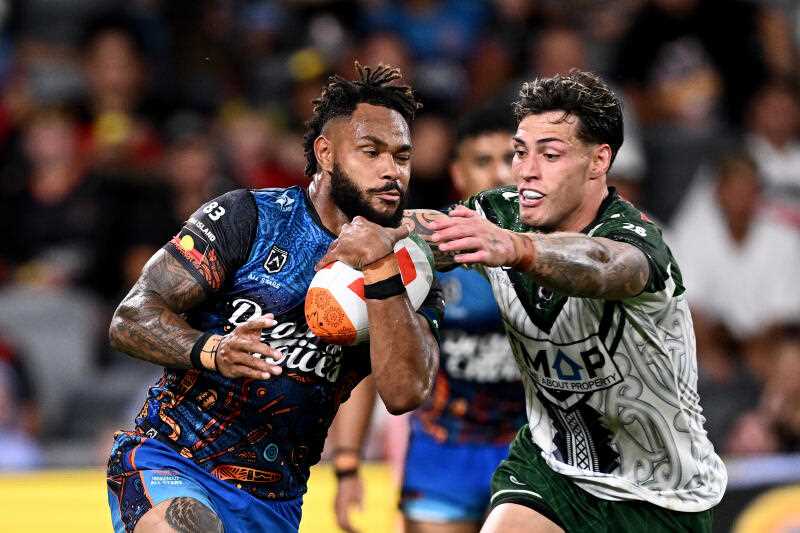
The annual pre-season event, featuring the Australian Indigenous Men’s and Women’s teams against the New Zealand Māori teams, will be held on Sunday, February 15, 2026, at FMG Stadium Waikato in Hamilton, New Zealand. This event is a week-long celebration of Indigenous culture and serves as a season opener.
Indigenous Round(s):
The NRL season will feature the Indigenous Round over two weeks, specifically Rounds 23 and 24, from August 6 to August 16, 2026. This expanded format, first introduced to mark a decade of the event, ensures every club gets a chance to wear their specially designed jerseys at a home game to highlight social issues and celebrate culture.
Jersey Design: The 2026 Indigenous All Stars jerseys feature artwork by Shantelle Matthews, a proud Gamilaroi Muruwari Dunghutti woman, with designs that celebrate connections to family, kinship, and Country.
School to Work Program:
The NRL will continue this education and employment program, which uses the profile of rugby league to support Indigenous youth in transitioning from school into further education, training, or meaningful employment through mentoring and career planning.
NRL Cowboys House:
This initiative, a joint project with government bodies and the North Queensland Cowboys, provides a culturally safe boarding facility in Townsville for Indigenous students from remote communities, removing distance as a barrier to quality education.
Reconciliation Action Plan:
The NRL is currently operating under its second ‘Elevate’ RAP (2024-2028), which actively champions initiatives to drive systemic and transformational change for Aboriginal and Torres Strait Islander peoples, including a focus on the NRL Indigenous Historian Project and employment plans.
Player Camps:
The league will continue to run cultural camps for all Aboriginal and Torres Strait Islander players in full-time NRL squads, focusing on mental wellbeing, leadership, and cultural practices to help players succeed on and off the field.
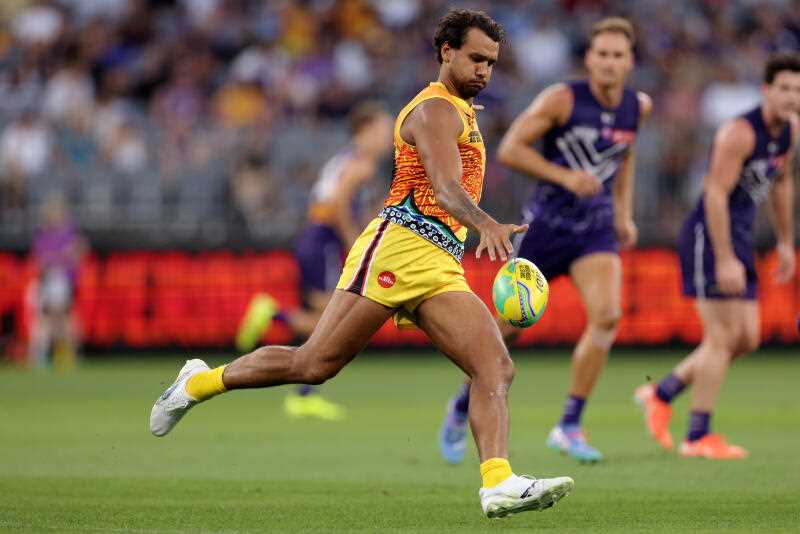
AFL
In 2026, Australian Indigenous communities can expect continued and enhanced engagement through the AFL’s 2025-2028 Game Development Aboriginal and Torres Strait Islander Action Plan.
The plan focuses on a place-based, community co-designed approach to increase participation, provide education and employment pathways, and ensure culturally safe environments within the sport.
AFL Community Connect Programs:
These programs will be delivered in 18 priority Local Government Areas (LGAs) across Australia. The initiatives are co-designed with local Indigenous communities to tailor solutions to their unique needs and context, offering flexible participation opportunities through sessions like NAB AFL Auskick, NAB AFL Superkick, and AFL Nines, as well as cultural celebrations and player engagement.
Next Generation Academies (NGA) Revamp:
New rules for the 2026 draft aim to incentivise clubs to invest more time in developing NGA prospects from Indigenous communities. Clubs will have minimum requirements for engagement and development hours to obtain draft concessions, with applications submitted earlier in a player’s 15th year.
Education and Employment Pathways:
Programs like the Indigenous Cadetship Program offered by AFL SportsReady will continue for the 2026 intake, supporting Indigenous university students with paid professional work experience, study allowances, and mentorship. The existing Barrawarn Program also focuses on increasing Indigenous participation in education and employment within community football.
Sir Doug Nicholls Indigenous Round:
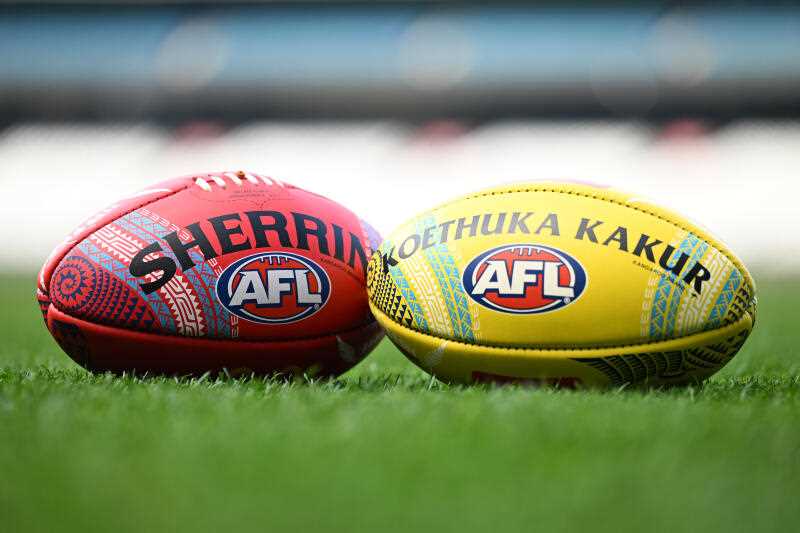
The annual themed round will continue to be a key event, celebrating the significant contributions of Aboriginal and Torres Strait Islander people to the game through specially designed club guernseys and honouring Indigenous icons.
Community Camps:
The AFL’s annual community camp program will see elite players visit remote and regional areas in early 2026, providing clinics and school visits to inspire the next generation of players and fans, and give back to local communities.
Social Emotional and Cultural Wellbeing:
A framework has been developed to guide and support all AFL/AFLW club staff in understanding and implementing culturally responsive health and wellbeing services for Indigenous players and staff.
 Motorsports
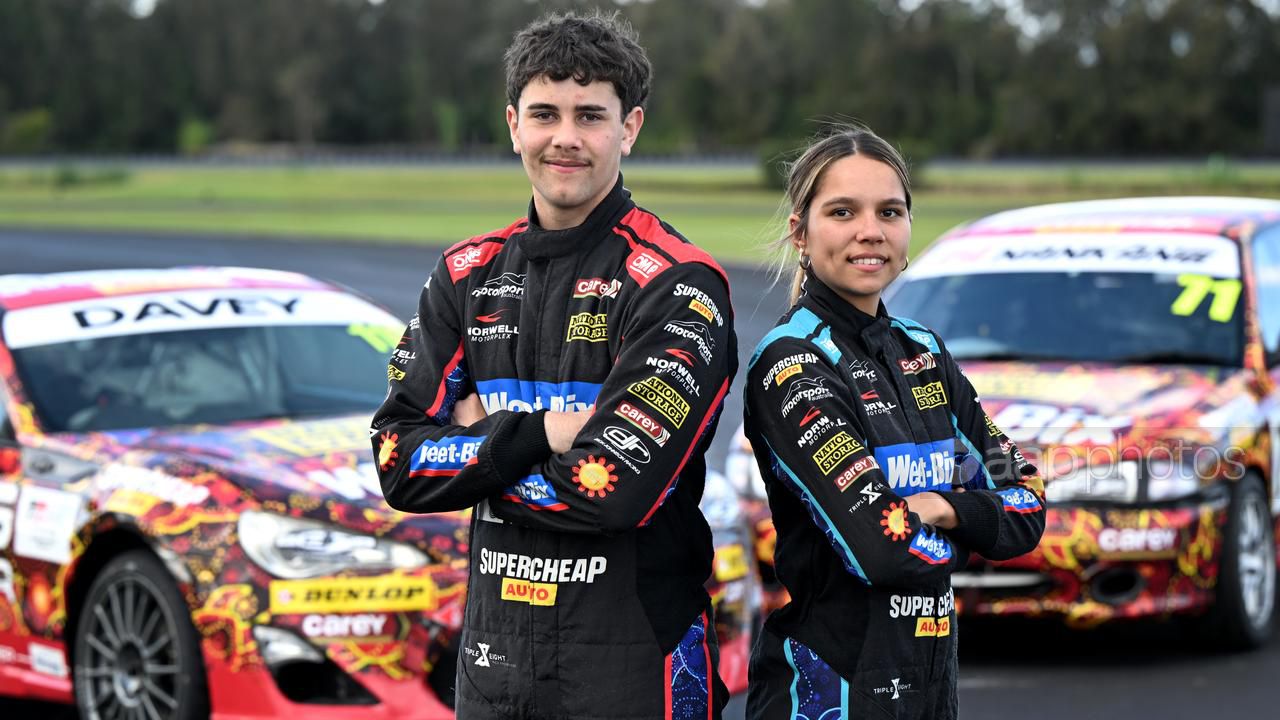
At 17, Kade Davey became the first Indigenous driver to lead a national motor racing series, doing so in the Toyota 86 Scholarship Series, before ending the year third overall with eight podium finishes. Now touted as a future Supercars driver, the Martu Manyjilyjarra man will be trackside at the 2026 edition of 24 Hours of Le Mans with Toyota later this year.
Reforms and Grants
Netball Australia Reforms:
Starting in 2026, a new First Nations Cultural Council and cultural safety framework will begin community-level implementation to embed Indigenous perspectives in decision-making.
Aboriginal Sport Participation Grants:
Continued funding through programs like Victoria’s Aboriginal Sport Participation Grant will support travel and equipment for regional and national competitions throughout the 2025–26 cycle.
Play Well Strategy (Horizon 1):
2026 marks the final year of the Australian Sports Commission’s first “Horizon” of the Play Well Strategy, focusing on aligning resources to increase participation and create 12 advisory groups to support community-led initiatives.
AIATSIS Summit 2026:
Taking place June 1–5, 2026, on the Gold Coast, this summit includes the Summit Awards which often highlight Indigenous governance and leadership relevant to sporting bodies.
NAIDOC Week
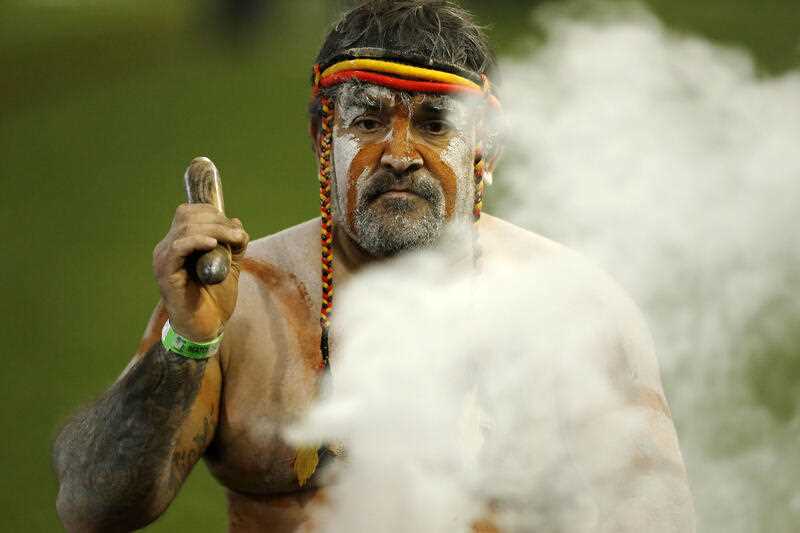
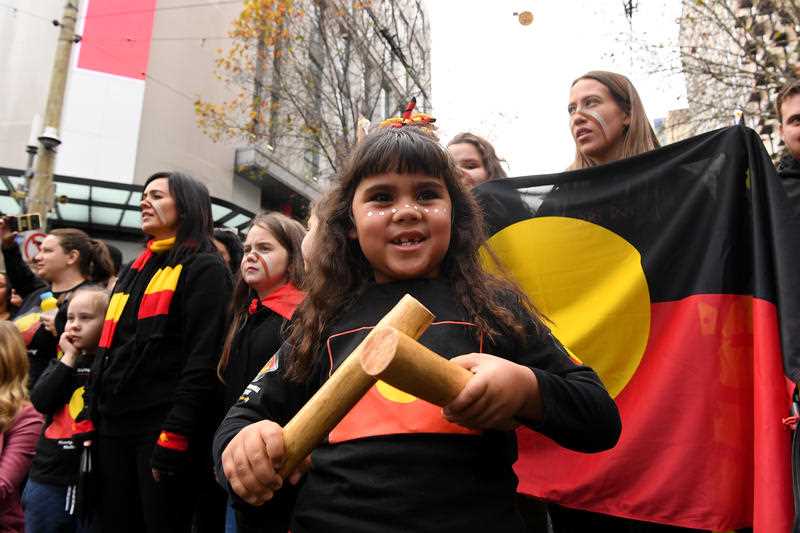
National NAIDOC Week will take place from July 5 to July 12, 2026, featuring local community sports carnivals and the National NAIDOC Awards.
Expected highlights and focus areas for 2026 include:
National Host City: The 2026 National NAIDOC Awards Ceremony is scheduled to be hosted in Mparntwe (Alice Springs).
Community Opportunities
Funding and Grants:
The Australian Government has forecasted $3.0 million in NAIDOC Local Grants for 2026. Indigenous communities and organisations can apply for grants of up to $25,000 to fund local activities. Applications are expected to open in January 2026.
Self-Determination Milestone:
The National NAIDOC Committee is moving toward a model of greater independence and self-determination, marking 2026 as a year of significant community-led vision and evolution.
National NAIDOC Awards:
Recognition of Indigenous excellence across categories such as art, sport, and leadership.
Local Activities:
Communities across Australia typically host marches, family fun days, smoking ceremonies, and cultural workshops.
Education and Awareness: Schools and workplaces will continue to engage in cultural immersions, inviting Elders for storytelling and Welcome to Country ceremonies.