‘Crying for change’: rallying call on deaths in custody
By KEIRA JENKINS
As one state records the highest number of Indigenous deaths in custody in a single year, families who’ve lost loved ones in prison are calling out for change.
It’s been almost a decade since David Dungay Jr died after being restrained by NSW prison officers.
His family, including nephew Paul Silva, have spent their lives advocating for change, calling for justice over his death and those of the more than 600 others which have occurred since the Royal Commission into Aboriginal Deaths in Custody in 1991.
There had been numerous reports, recommendations handed to various governments, apologies from police forces and corrections departments in this time but lives continued to be taken by a system that repeatedly failed Aboriginal people, Mr Silva said.
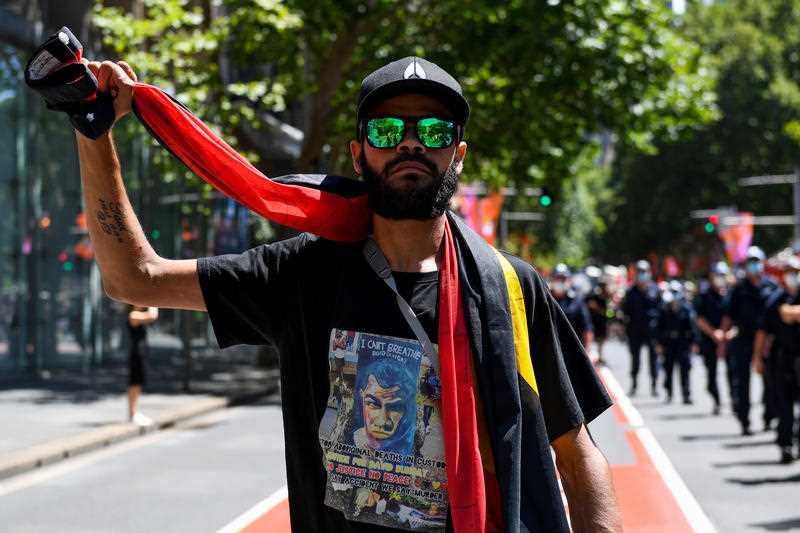
“Me, my family and many other families have been calling out this system and unfortunately it’s fallen on deaf ears and blind eyes,” the Dunghutti man said.
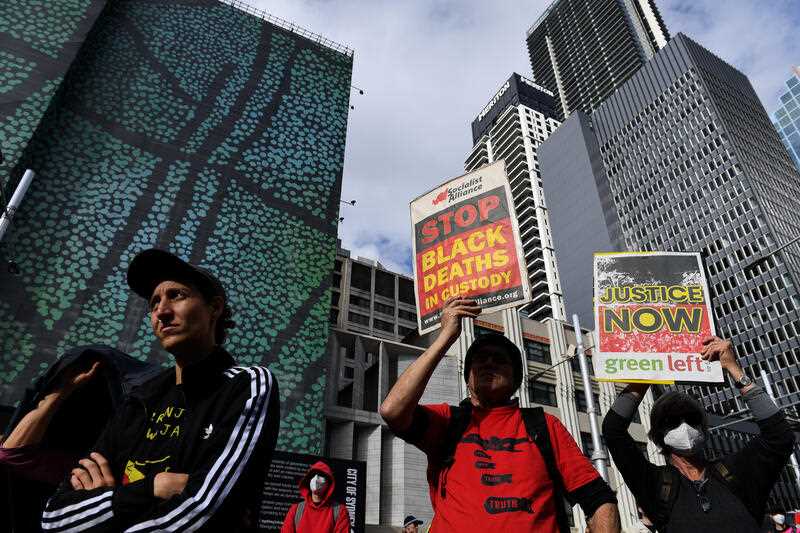
Mr Silva initiated a National Day of Action to stop Black Deaths in Custody on Saturday, sparked by NSW recording the highest number of Aboriginal deaths in custody across any state or territory in a single year.
In an open letter, released last month, coroner Theresa O’Sullivan said the grim milestone should deeply alarm everyone in the State.
Twelve Indigenous people had died in NSW corrective services custody since January, but it was not an issue unique to the State, Mr Silva said.
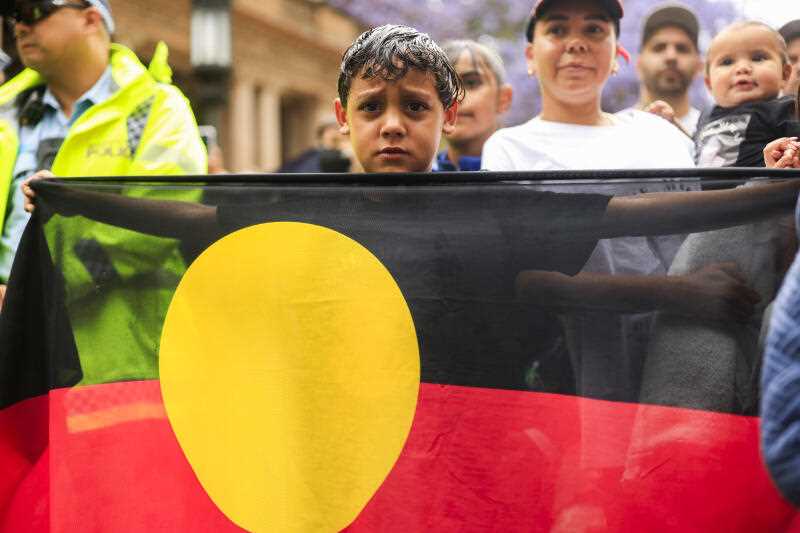
On Monday, 21-year-old Wiradjuri woman Chelsea Bracken died in hospital after a suffering a “medical episode” while on remand at Tasmania’s Mary Hutchinson Women’s Prison.
“They’re obliterating our people,” he said.
Although the rally is being held in Sydney, Mr Silva said organisers stood in solidarity with each family who lost a loved one in custody.
He said incarceration rates across Australia had remained consistent since the royal commission in 1991, or climbed higher, driven by reforms to bail laws, policing practices and cost of living and homelessness crises.
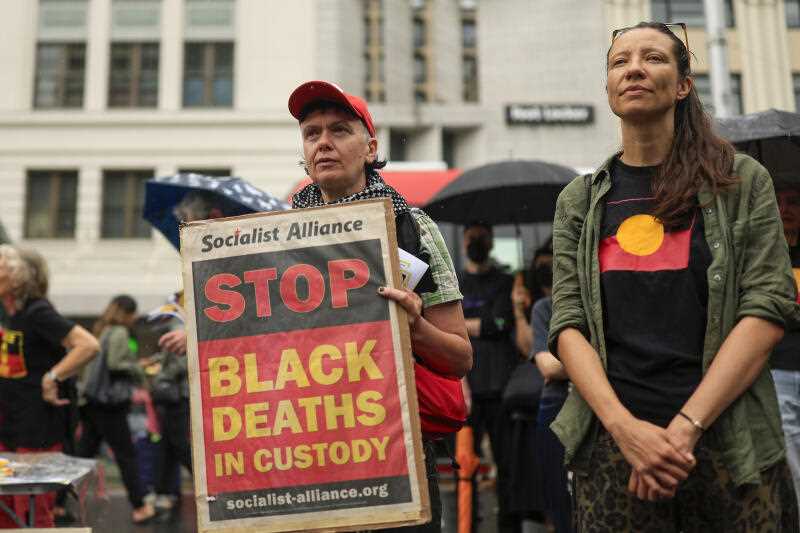
There are renewed calls for an Aboriginal-led, independent body to investigate deaths in custody. (Mick Tsikas/AAP PHOTOS)
“These people aren’t statistics,” Mr Silva said.
“They’re family members, brothers, sisters, cousins, uncles and aunties.”
Alongside drawing attention to the shocking numbers of deaths in custody, Mr Silva said wants the remaining recommendations of the 1991 royal commission to be implemented.
This includes the establishment of an Aboriginal-led, independent body to investigate deaths in custody; ongoing funding for Aboriginal legal services; 24-hour access to medical and mental health services in detention; and reparations for families who’ve lost loved ones in custody.
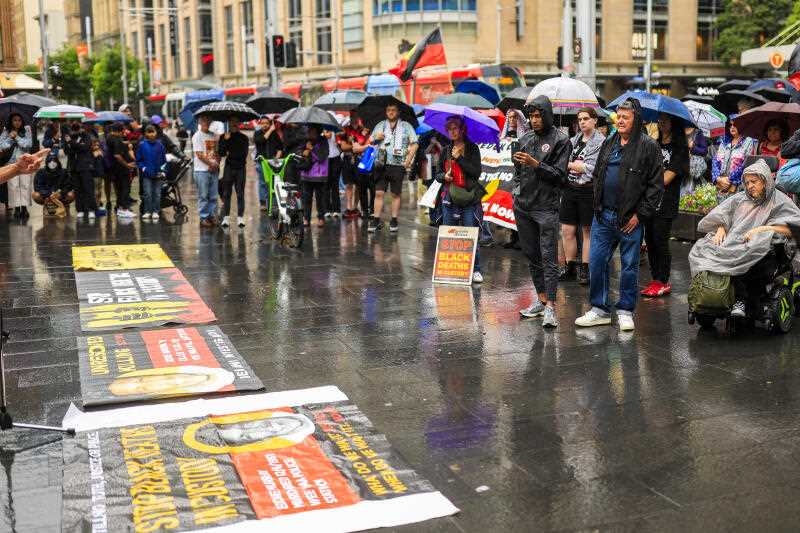
The Sydney rally aims to represent families across Australia who have lost a loved one in custody. (James Ross/AAP PHOTOS)
“They’re not demands, they’re not requests, they’re a mother crying for change,” Mr Silva said.
“They’re myself, a nephew, a brother, a cousin, crying through inquiries to see what change we can get so the next blackfulla doesn’t end up a statistic, so the next family doesn’t have to sit through a court proceeding being shown video footage of their loved one being treated inhumanely.”
AAP