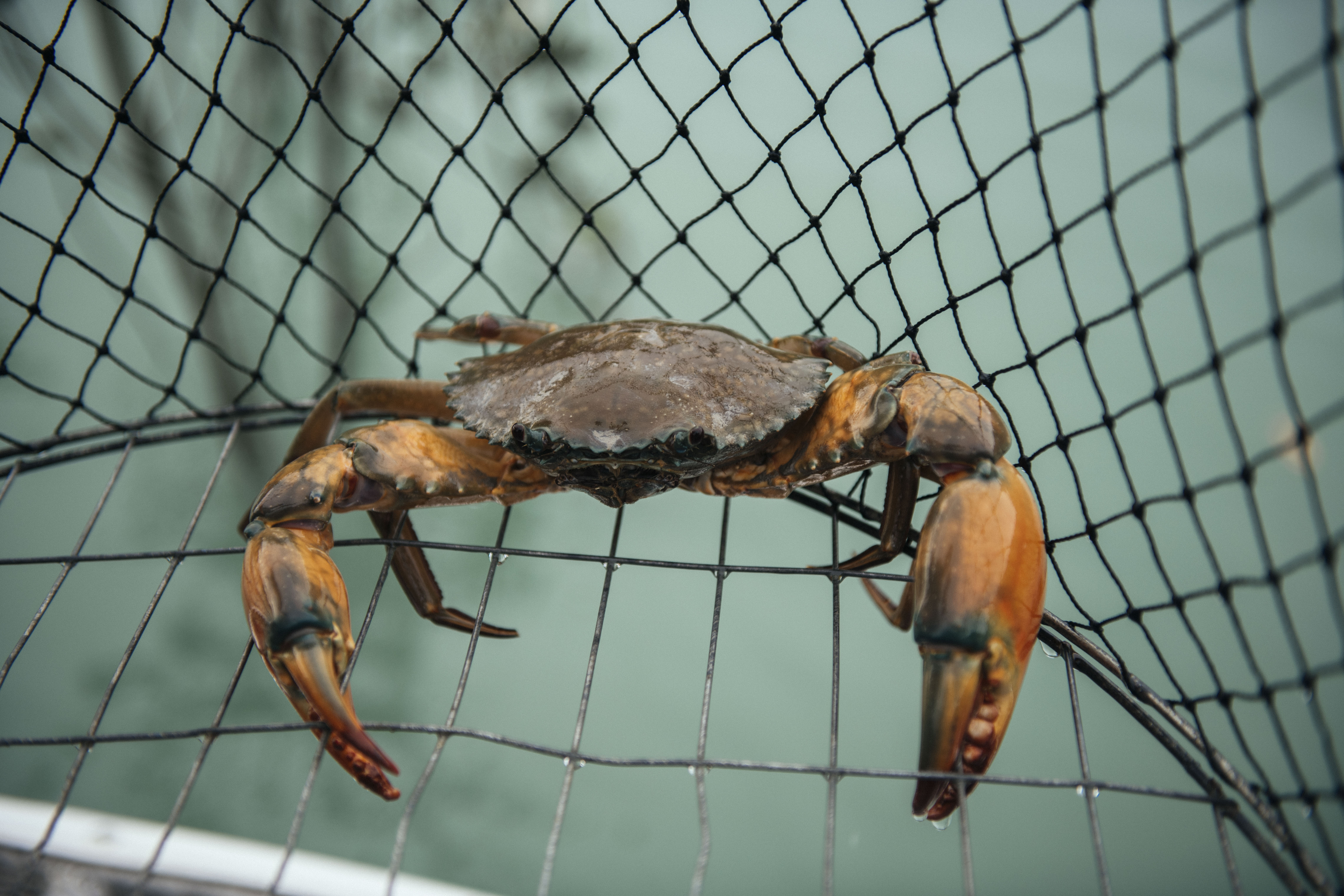
Great business opportunities for mud crab fishing
The development of a sustainable Aboriginal mud crab fishery in the Kimberley is moving forward with new research underway in the State’s north.
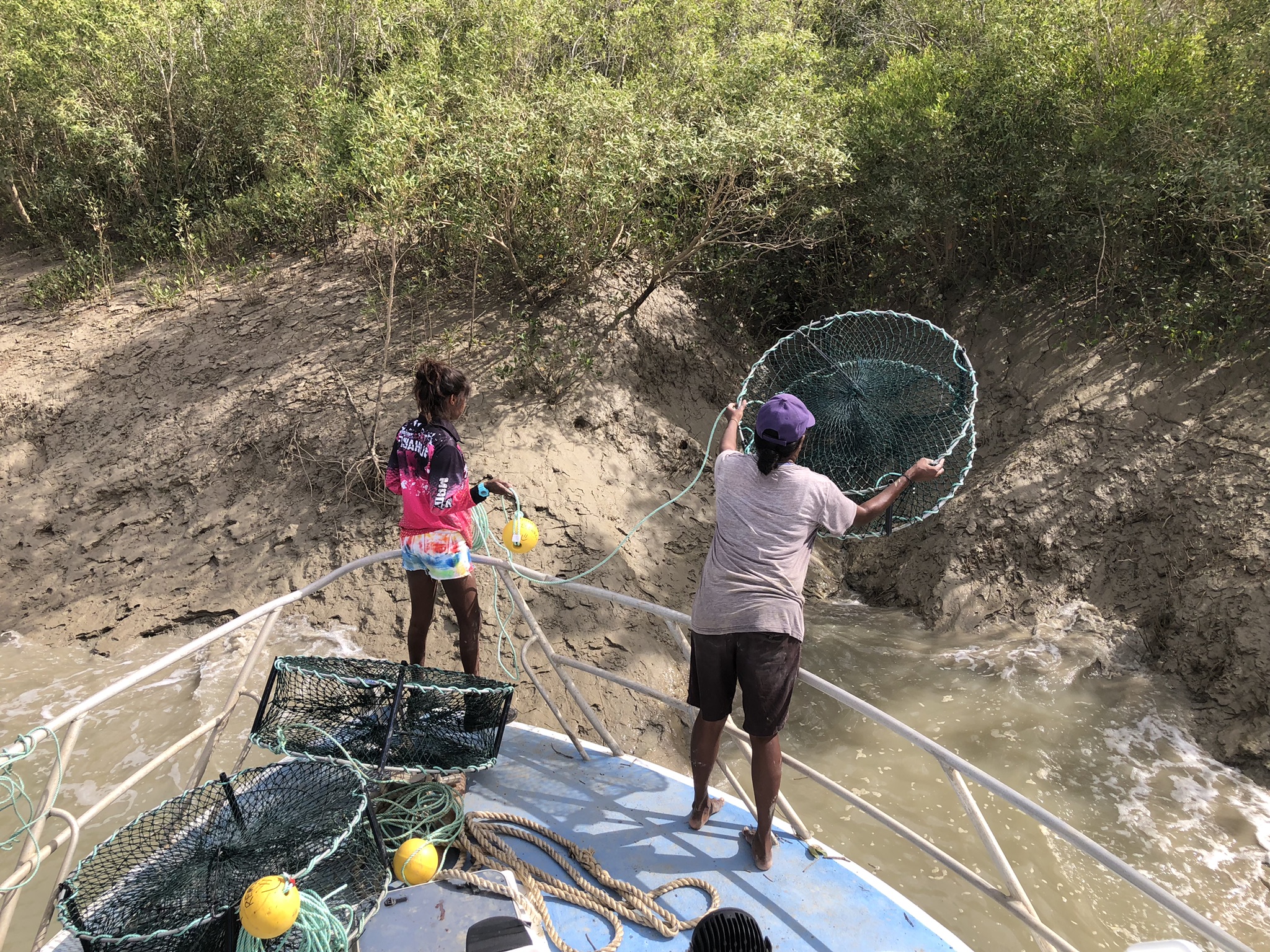
An extensive survey of the Cambridge Gulf is in progress, with the Department of Primary Industries and Regional Development (DPIRD) working with the Miriuwung Gajerrong and Balanggarra people to capture data on the distribution and number of mud crabs in the Gulf.
The data collected from the Cambridge Gulf survey will assist in the development of a harvest strategy for the resource.
“Western Australia’s mud crab fisheries have potential to be developed to provide new economic opportunities and create jobs in the Kimberley,” Fisheries Minister Jackie Jarvis said.
“The Government is focused on supporting Aboriginal people to realise this potential through commercial fishing rights and establishing a mud crab fishery in WA would be a big step forward.”
Aboriginal Affairs Minister Don Punch said tTraditional Owners in the Kimberley were advocating for business opportunities, including commercial fishing, to deliver improved economic participation and socio-economic prosperity of Aboriginal people.
“This project is a fantastic example of knowledge sharing, with the project helping build the scientific knowledge of the Aboriginal people involved and their knowledge being instrumental to the survey design,” he said.
Three-year project
The research is part of a three-year project to better understand the biology, abundance and distribution of brown mud crabs and green mud crabs in Cambridge Gulf and King Sound.
Led by DPIRD with funding through the Fisheries Research and Development Corporation, initial work in King Sound with Traditional Owner groups identified some highly productive areas with increased foraging opportunities for mud crabs.
DPIRD researchers and other trainers have conducted workshops with local Aboriginal groups as part of the project, to build their capacity to use scientific data collection methods for field surveys.
Researchers have also applied shared Aboriginal knowledge about mud crabs into the project.