Huge opportunity in tech despite hurdles for Indigenous people
By KEIRA JENKINS
Indigenous people shaping technology’s future is a dream that drives one female founder to train and support the next generation of industry stars.
Lisa Sarago dreams of an army of Indigenous superstars climbing the ranks of the tech industry.
With just over 1000 Aboriginal and Torres Strait Islander people currently working in the space, Ms Sarago is adamant that dream can become reality.
Tiddas in Tech
The Bunda Burra Yidinji and Western Yalanji woman has spent her career dedicated to this mission, founding Tiddas (Sisters) in Tech and the Land on Heart Foundation.
Both organisations focus on attracting more Indigenous people to the industry by mentoring and developing skills while promoting the work of First Nations people.
“It’s about taking off the blinkers and starting to not just acknowledge but respect how valuable Indigenous people are to Australia and the economy, instead of thinking about us as primitive,” Ms Sarago said.
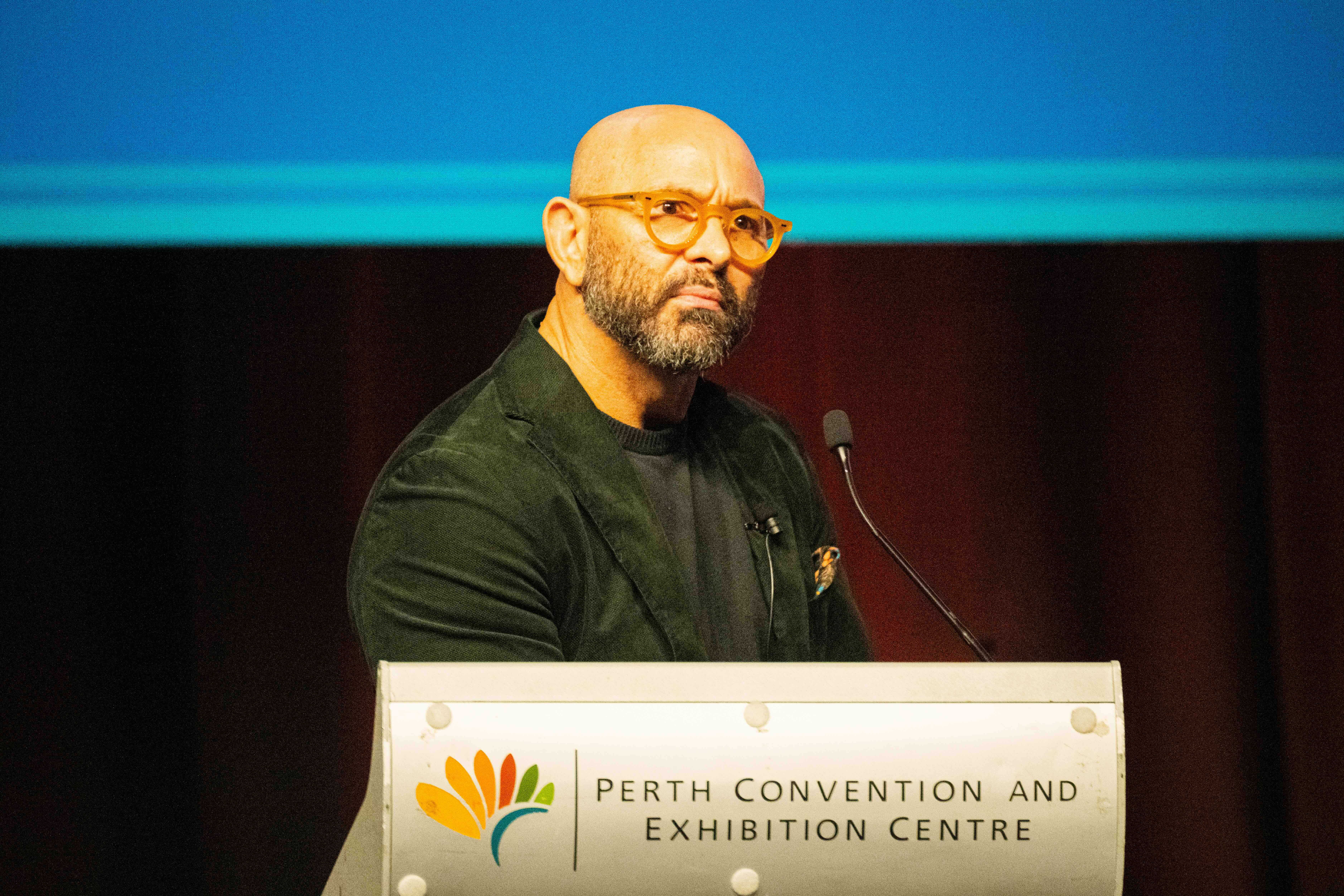
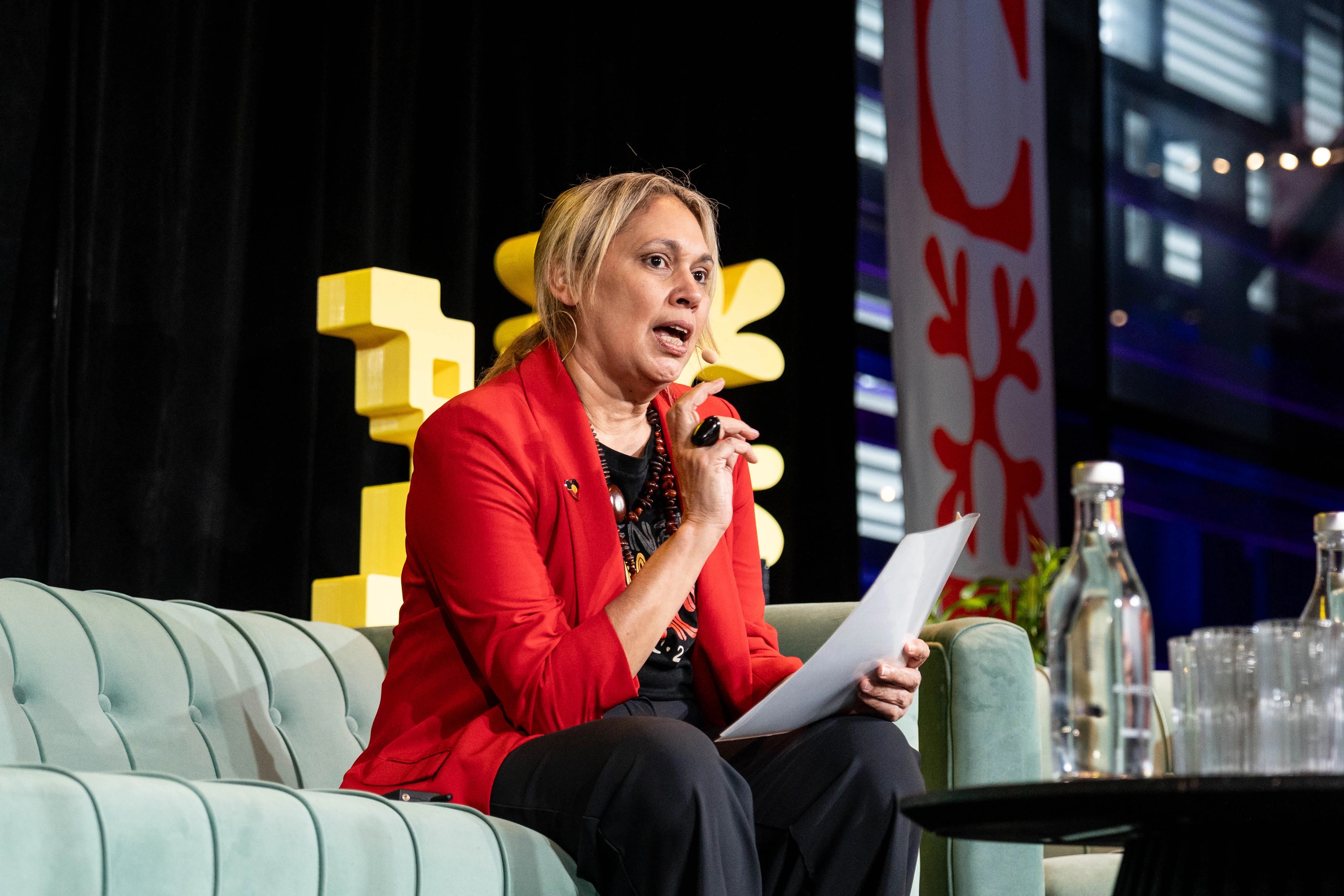
Tech founder Lisa Sarago knows how isolating it can be as the only Aboriginal woman in the room.
She knows how isolating it can be as the only Aboriginal woman in the room, and it’s not an experience she wants for younger women entering the tech industry.
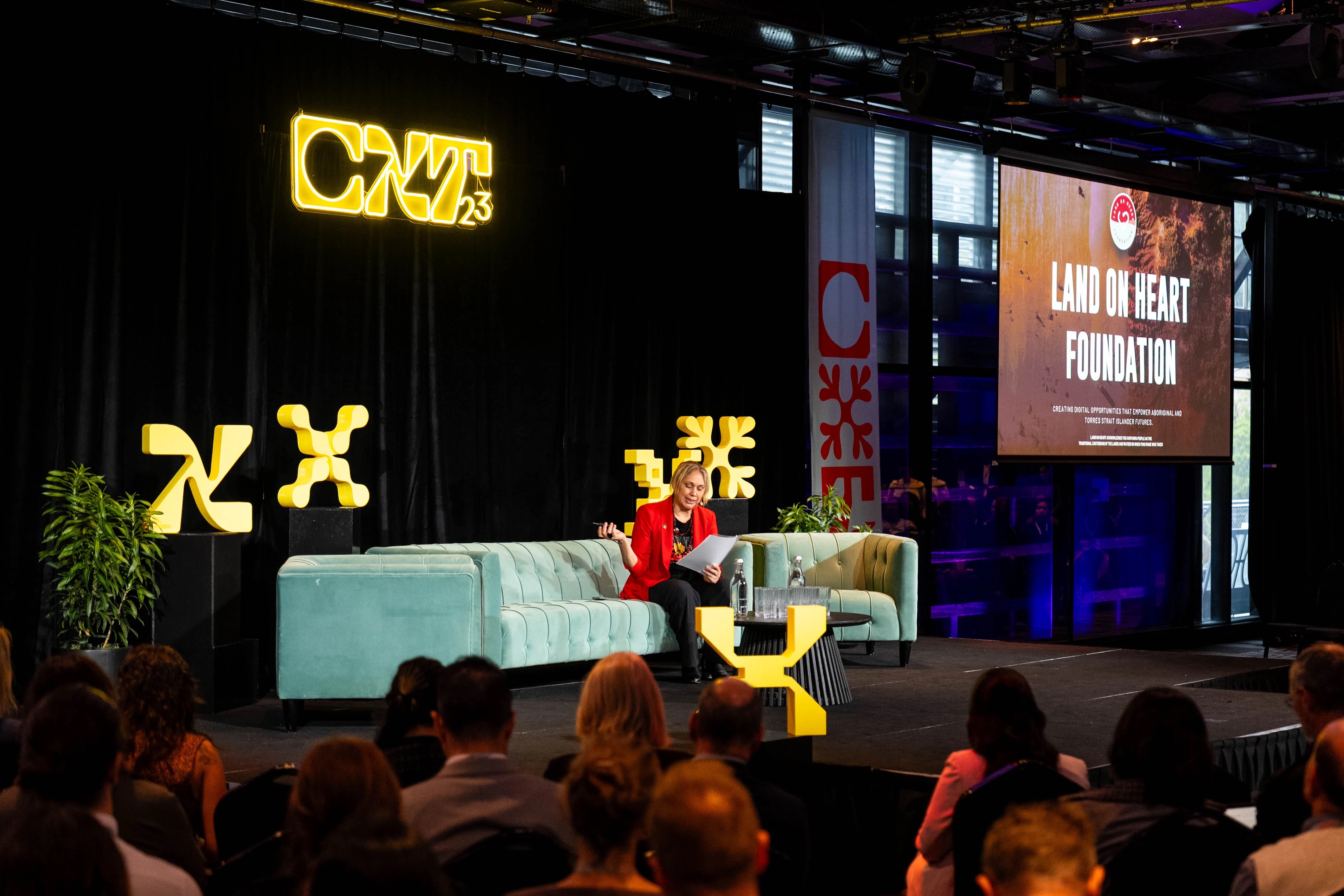
Posing the question ‘who gets to shape the future’ at the Tech23 conference in Sydney, Ms Sarago said plenty of work needs to be done to ensure tech inventors, leaders and entrepreneurs better reflect who we are as Australians.
“At the moment, if you look inside the tech industry, it’s predominantly white men,” she said.
“But who should get to shape the future from a tech perspective, it should be inclusive of all diversity.”
Innovative ideas
With a predicted 186,000 jobs needing to be filled in the tech industry into the future, Ms Sarago said Indigenous people have a huge opportunity to enter this workforce.
With Indigenous people being the country’s original inventors, Ms Sarago said it’s a good business decision to make more diverse hires.
“We’re the oldest living human culture in the world,” she said.
“If you include us, not only is your customer base expanding but you come up with more innovative ideas because you’re don’t just have one narrow viewpoint.”

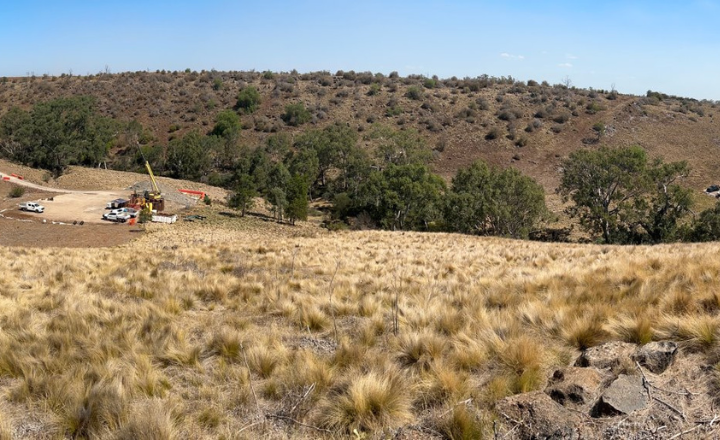
Lack of internet access, hardware and knowledge are among hurdles in some regional and remote areas. (James Ross/AAP PHOTOS)
But First Nations people face multiple barriers ranging from internet access in remote areas, hardware affordability and knowledge gaps to challenges accessing capital.
“We don’t get looked at as someone that anyone wants to invest in,” Ms Sarago said.
“There’s a whole heap of barriers for Indigenous people to access any sort of capital, especially when there’s issues like lack of generational wealth.”
But these can be addressed, said Ms Sarago, who hopes through her foundation to establish regional and remote hubs building skills among the next generation of First Nations tech minds.
“We’re going to have these amazing Indigenous tech superstars coming up the ranks,” she said.
“That’s the dream and it will happen.”
AAP