Nothing super about Super for many Indigenous Australians
Australia’s retirement system is disadvantaging Indigenous men and women because of low life expectancy, a report in the Australian Journal of Social Issues has claimed.
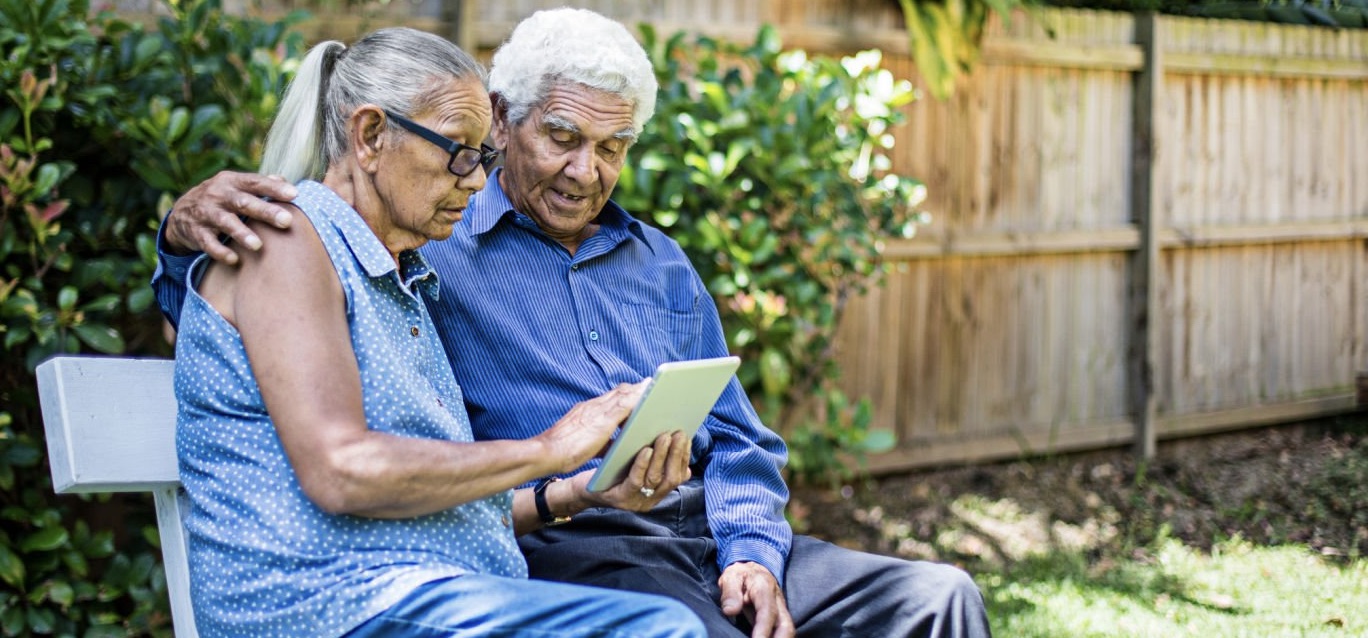
Indigenous Australians are eligible for aged care support from the age of 50 – because of well-known differences in life expectancy and health outcomes.
But they are not eligible to access age pension or superannuation.
University of Queensland associate professor Levon Blue said everyone deserved to retire with dignity but the system was not set up with First Nations people in mind.

“The retirement income system in Australia was designed initially to meet the needs of male, white full-time public servants, and it’s essentially a one-size-fits-all model,” she said.
“It doesn’t take into consideration difference, especially differences in life expectancies.”
The median age at death for Indigenous people in Australia is 63 years old, 20 years short of the media age for non-Indigenous Australians’ median age at death, 82.
Stolen wages
63 is not old enough to get the age pension and is just over the age to access to super savings, which is 60.
The 2018 banking royal commission identified how hard it was for Indigenous Australians to access their superannuation. And because of years of issues like stolen wages and just being undervalued and underpaid, there is far less wealth.
The report has called for early access to both the age pension and superannuation as an option for Indigenous Australians and anyone with a chronic health condition that impacts life expectancy rates.
University of New England Indigenous pro vice-chancellor and study co-author Peter Anderson said Aboriginal and Torres Strait Islander people earn up to 30 per cent less than non-Indigenous counterparts.
Higher rates of insecure work and a history of economic injustice, including the practice of stolen wages, where Indigenous people were paid little or not at all for their labour, also contribute to this situation, the Warlpiri and Murinpatha man said.
“Economic justice for our old people and Elders is actually having access to their superannuation or access to funds,” Prof Anderson said.
“We have high earning potentials, yet we can’t access the money of the system.”
Exploitation of Indigenous peoples
“There is an opportunity now for the federal government, superannuation industry and Indigenous Australians to work together to make real change,” the report says.
“Exploitation of Indigenous peoples in Australia … has taken various forms, including indentured labour, non-payment and underpayment of wages, under-award payments, withholding and mismanagement of wages, savings and pensions alleged to have been placed in trust accounts, and compulsory redirection of welfare payments and other entitlements.
“Aboriginal and Torres Strait Islanders face the hardest challenges for retirement in Australia. At the most basic level—the retirement income system is not designed for Aboriginal and Torres Strait Islander workers to participate in.”

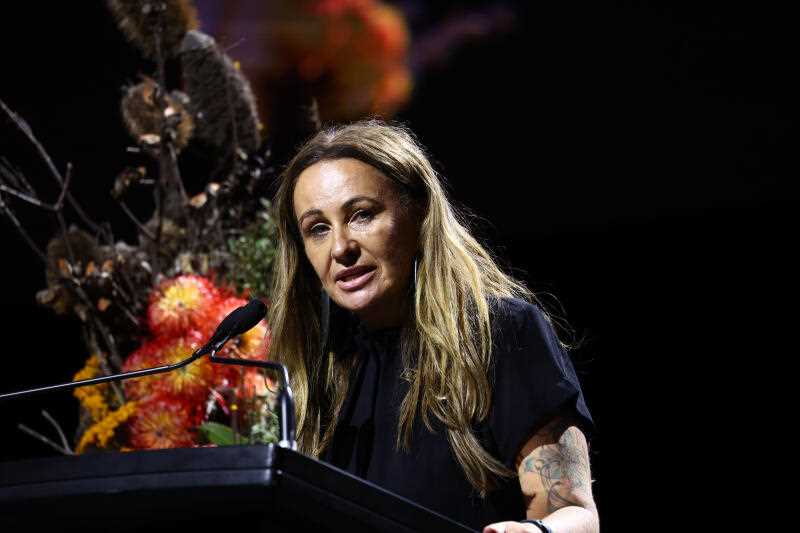
University of Queensland associate professor Levon Blue.
Alongside voluntary and compulsory contributions to superannuation and the age pension, the researchers have proposed adding another ‘pillar’ to Australia’s three-pronged retirement system which would allow for early accumulation of, and access to, superannuation.
This was something which could be beneficial to First Nations people as well as those with chronic illnesses or disability who faced a shorter life expectancy, they said.
Dr Blue said there had been recent changes, including payment of superannuation during maternity leave and early access to superannuation during the COVID-19 pandemic, which showed the system could be changed.
“This isn’t a new issue,” she said.
“It’s been talked about and advocated for for decades by unions and rights groups to lower the age for pension and super for Indigenous people and it still hasn’t occurred.”
The full report can read here: https://onlinelibrary.wiley.com/doi/10.1002/ajs4.70037
- With AAP