Indigenous rangers can reduce wild mega-fire risks
Desert mega-fires are set to worsen under climate change without Indigenous fire management, a report from Charles Darwin University has revealed.
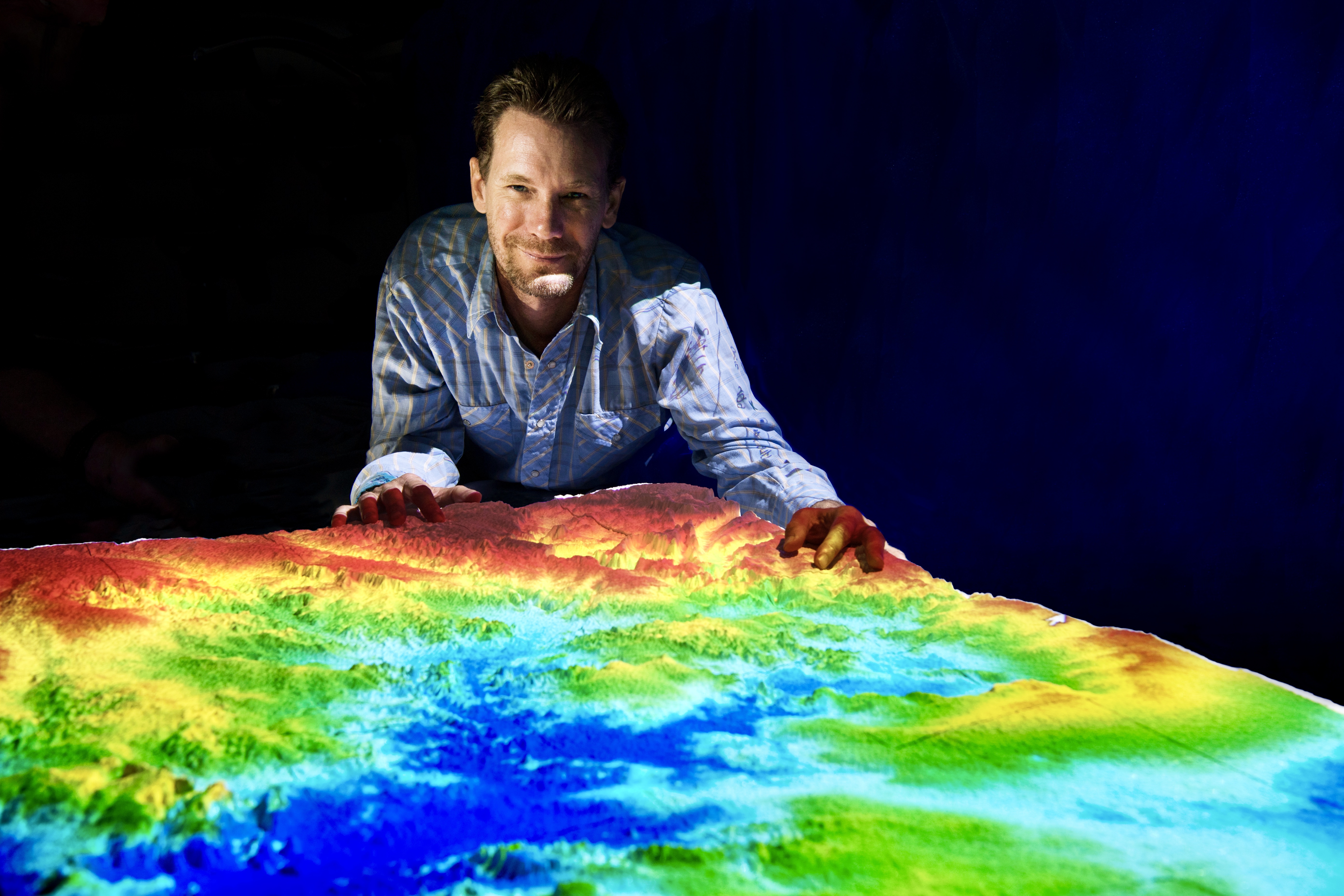
Rohan Fisher, a senior research Fellow at the University, has carried out a study into why wild desert fires spread so quickly and what makes them difficult to contain.
And he has found Indigenous ranger-led prescribed burning has been shown to significantly reduce mega-fire spread.
“Hardly anyone’s heard of the Australian ‘Black Spring’ bushfires of 2023,” Dr Fisher said.
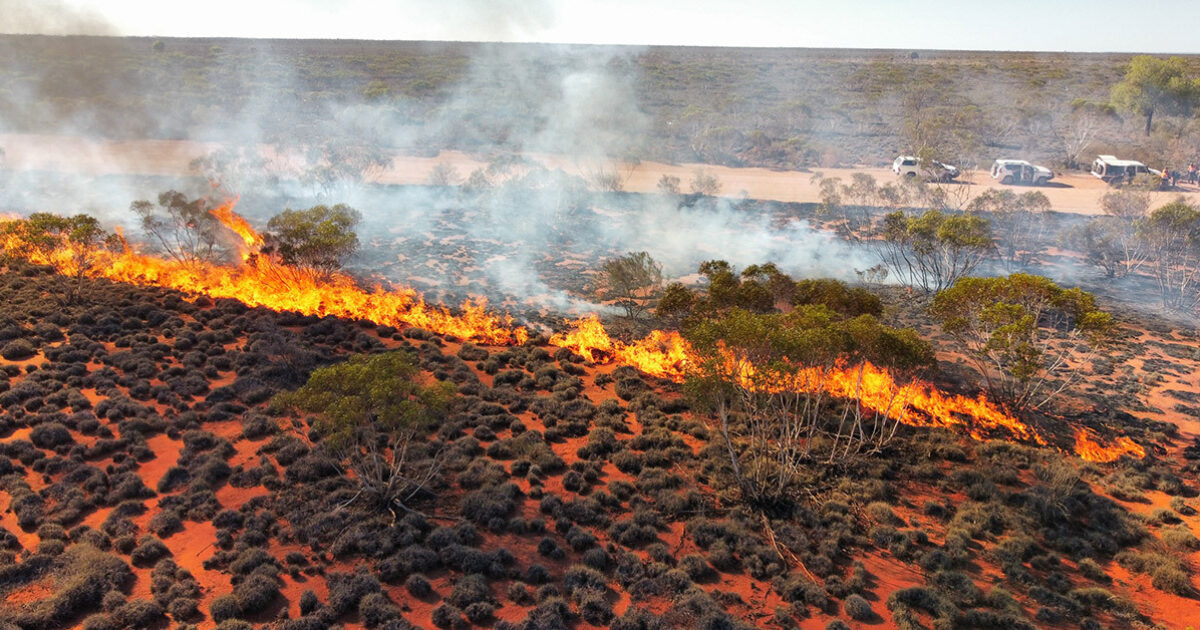
“But the fires that tore through the tropical savannas and northern spinifex deserts that year were the biggest Australia had seen in more than a decade – burning an area about eight times larger than the Black Summer fires along eastern and southern Australia.
“Despite their size and potential impacts on cultural and biodiversity values, they are not acknowledged as a significant national event and barely registered in the national or global media.”
Dr Fisher said satellite analysis had showed just how fast these fires can move – in some cases spreading over 25,000 square kilometres in less than a week.
Indigenous rangers
But where Indigenous ranger groups had been carrying out prescribed burning there were very different outcomes.
“These areas acted like natural firebreaks, disrupting the spread of the flames and reducing their intensity,” he said.
“Ultimately the only effective way to prevent these massive fires in very remote parts of Australia is through a long-term, well-funded strategy of using fire over our vast desert landscapes to control fuel, as was done during previous millennia.
“The lesson from 2023 is clear: if we want to reduce the risk of mega-fires, we need to invest in Indigenous-led fire management on a much greater scale.”