$436m medical research funding improves Indigenous health
A report on how the Medical Research Future Fund is supporting research to improve the health of Aboriginal and Torres Strait Islander people has found that $436m has been invested over the past eight years.
From 2017 to September last year, the MRFF invested $436 million in 209 grants focused on Indigenous health, major boost that started with $0.6m eight years ago to $98.6m in 2024.
A significant portion of the 209 grants involve Indigenous leadership and collaboration:
- Indigenous researchers lead 31.6 pr cent of the grants
- 80.3 per cent include at least one Indigenous researcher as part of the team.
This focus on Indigenous involvement ensures that research is relevant and beneficial to the communities it aims to serve.
The impact of investment has seen better health outcomes for patients, beneficial changes to health policy, increased efficiency in the system, increased job potential and economic growth from the commercialisation of health outcomes.
Sleep health
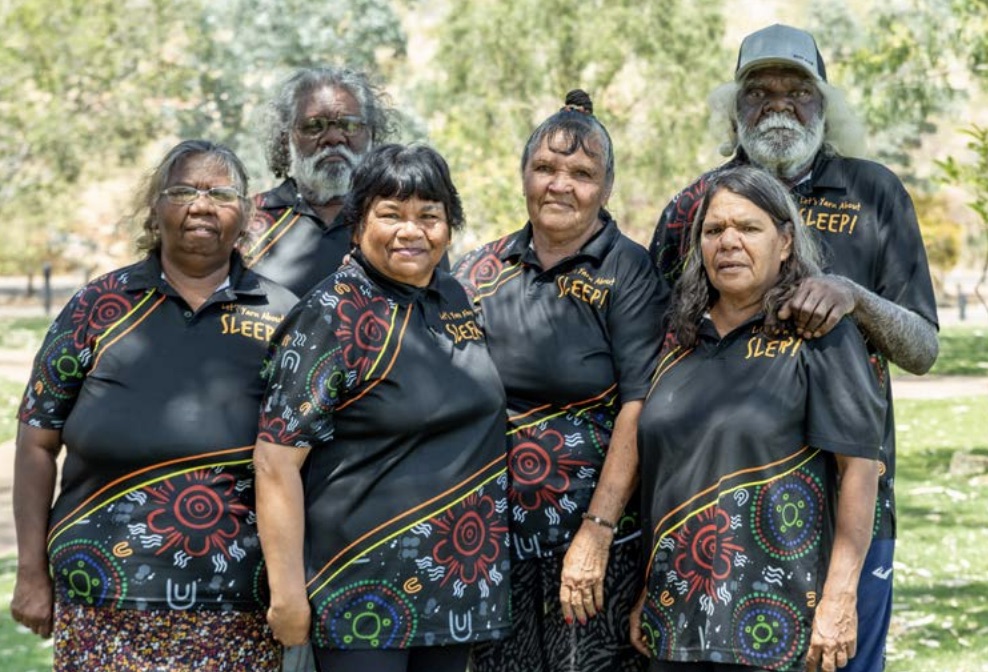
In partnership with Indigenous peoples, Professor Yaqoot Fatima of the University of Queensland and her team co-designed and delivered Australia’s first sleep health program for Indigenous adolescents, ‘Let’s Yarn About Sleep’.
The program was rooted in the Indigenous conceptualisation of sleep health; strengthened the capacity of Indigenous youth workers; and brought together Indigenous communities, mental health and primary care services, and advocacy partners to co-design a solution for improving the mental health of Indigenous adolescents through healthy sleep.
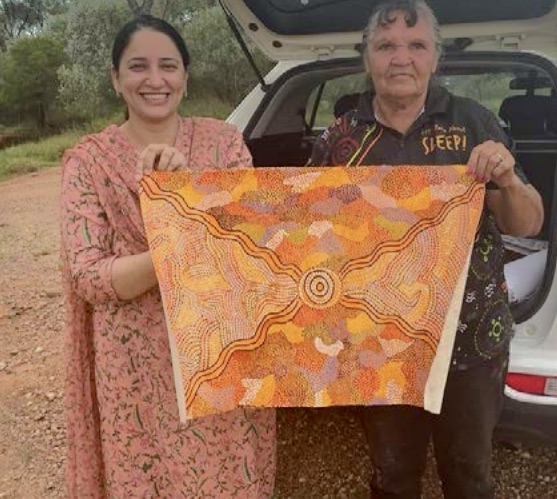
Professor Yaqoot Fatima, left, of the University of Queensland.
Professor Fatima believes that MRFF funding enabled a level of collaboration with Indigenous communities that would not have been possible otherwise.
“It has enabled us to centre community leadership by supporting the participation of First Nations researchers, community members and Elders throughout all stages of the research,” Prof. Fatima said.
“Their leadership, generosity and guidance have strengthened the research’s quality and cultural responsiveness and made my work more meaningful, grounded and
aligned with real-world priorities.”
Another case study involved scaling up infectious disease point-of-care testing for Indigenous people.
Led by Professor Rebecca Guy, from the University of NSW, the project showed how diagnostic testing with fast turnaround of results is critical for infectious disease management and prevention.
Early and ongoing engagement
Delays in testing and results can lead to serious adverse health consequences including hospitalisations, cancer and death.
“The project had a substantial consultation phase to build on past relationships and develop new ones with Aboriginal and Torres Strait Islander health services, researchers and stakeholders,” Prof. Guy said.
“Investing in early and ongoing engagement helps to build trust, align priorities, and shape research that is culturally appropriate, practical and meets community needs.”
Professor Yvette Roe, Director of the Molly Wardaguga Institute for First Nations Birth Rights at Charles Darwin University in Darwin, led an investigation into improving the health and wellbeing of Aboriginal and Torres Strait Islander mothers and babies.
Indigenous mothers are 3–5 times more likely to die during childbirth than othermothers. Their babies are almost two times more likely to die during their first year, often because they were born too early.
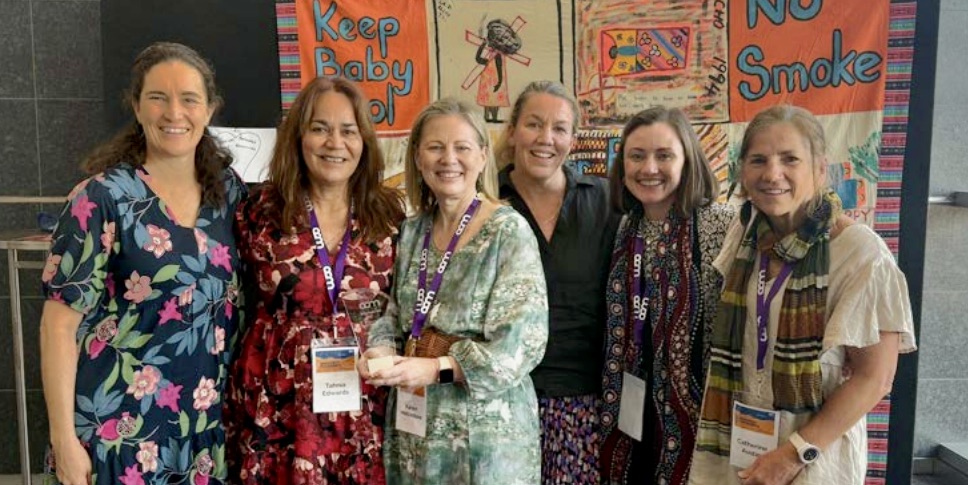
Birthing on Country, delivered by My Midwives Alukura Midwifery Group Practice, won the Australian College of Midwives Maternity Service of the Year in 2025.
Improving these statistics forms Closing the Gap socioeconomic target outcome 2: ‘Aboriginal and Torres Strait Islander children are born healthy and strong’.
“Feedback from the women about the hub was it “feels like home” and “feels like a black space” … Birthing on Country gives First Nations mothers and mothers carrying First Nations babies cultural safety where they give birth,” Prof. Roe said.
“With continued commitment from the MRFF (including in its implementation of the priority reforms of the National Agreement on Closing the Gap) and complementary funding from the NHMRC, Australia is well positioned to support a future in which Indigenous knowledge systems, scientific practice and community governance shape national health priorities and deliver benefits across the country,” the report concluded.
“This approach not only contributes to the outcomes of the National Agreement on Closing the Gap, but strengthens Australia’s entire health research sector through innovation, cultural rigour and relational accountability.”