$350m to improve support for vulnerable families in NSW
The NSW Government is to invest $350 million in Aboriginal Community Controlled Organisations (ACCOs), with 22 ACCOs winning new contracts to deliver improved supports to vulnerable families under a reformed Family Preservation program, following extensive co-design with Aboriginal communities.
Family Preservation services offer intensive family support to prevent children entering foster care by strengthening family connections, building parenting skills and creating safe home environments.
Key Points
- NSW invests $350 million in Aboriginal Community Controlled Organisations
- 22 ACCOs secure new Family Preservation program contracts
- Over 4000 at-risk families to benefit across NSW each year
- Reforms co-designed with AbSec and communities over two years
- Aims to reduce overrepresentation of Aboriginal children in care
- Part of a broader $900 million Family Preservation investment
- Five-year contracts and data-driven service delivery from 2026
Minister for Families and Communities, Kate Washington, said: “Our Family Preservation reforms empower Aboriginal communities to deliver Aboriginal-designed, Aboriginal-led services that help keep Aboriginal children with their families.
“This is the first time in our State’s history where the funding going to Aboriginal Community Controlled Organisations in any child protection program actually reflects the clear need amongst Aboriginal families.
“a critical step forward”
— John Leha, AbSec CEO
“This is a historic reform to the NSW child protection system aimed at reducing the unacceptable and entrenched overrepresentation of Aboriginal children in out-of-home care, representing self-determination in action.”
Under a complete redesign of the program, over 4000 at-risk families each year will benefit from increased access to high-quality therapeutic services and a range of intensive supports across NSW. The previous program was fragmented, with families often referred into supports that didn’t match their needs.
Growing recognition
The new Aboriginal Family Preservation program was developed in close partnership with AbSec over two years, alongside Aboriginal families, communities and ACCOs. This landmark investment aims to reduce overrepresentation of Aboriginal children, who make up over 46 per cent of children in out-of-home care.
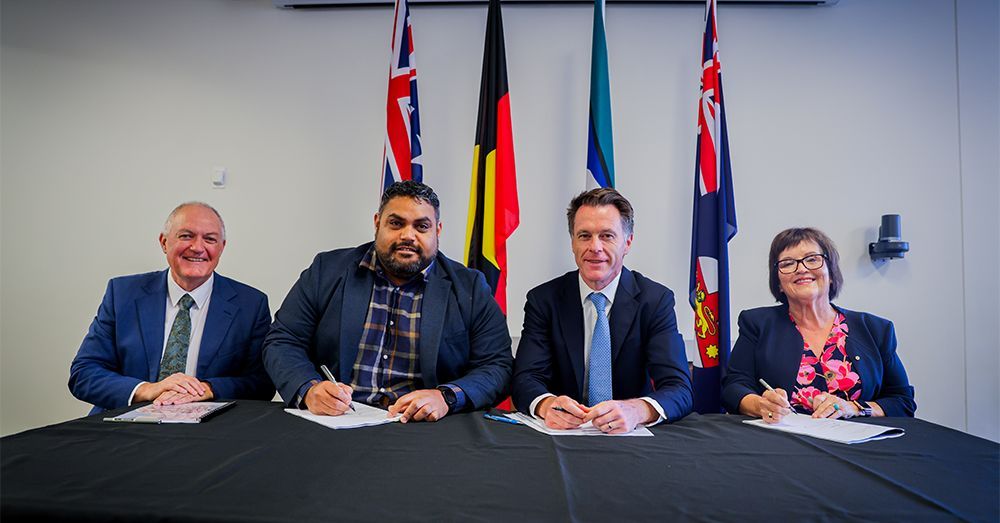
AbSec CEO, John Leha, said the NSW Government’s commitment to invest in Aboriginal Family Preservation through Aboriginal Community Controlled Organisations was a critical step forward.
“It reflects a growing recognition that Aboriginal people and communities hold the knowledge, cultural authority and lived expertise needed to design and deliver the most effective supports for our children and families,” he said.
Redesigned family preservation service system
“Sustained, community-led funding to ACCOs strengthens self-determination, builds culturally responsive services, and helps keep Aboriginal children safe, strong and connected to family, community and culture. We welcome this commitment and look forward to continued partnership to ensure investment translates into meaningful outcomes on the ground.”
These reforms are part of the Government’s broader $900 million investment in a redesigned family preservation service system, with a further 30 non-government organisations funded to support vulnerable families.
For the first time, family preservation services will now be delivered based on data reflecting community need. Five-year contracts will ensure each organisation can support a stable workforce, deliver quality services and achieve better outcomes for families across the State.
The redesigned program and new services commence from July1, 2026, with successful providers listed on the Department of Communities and Justice website.