17 years and still disadvantaged
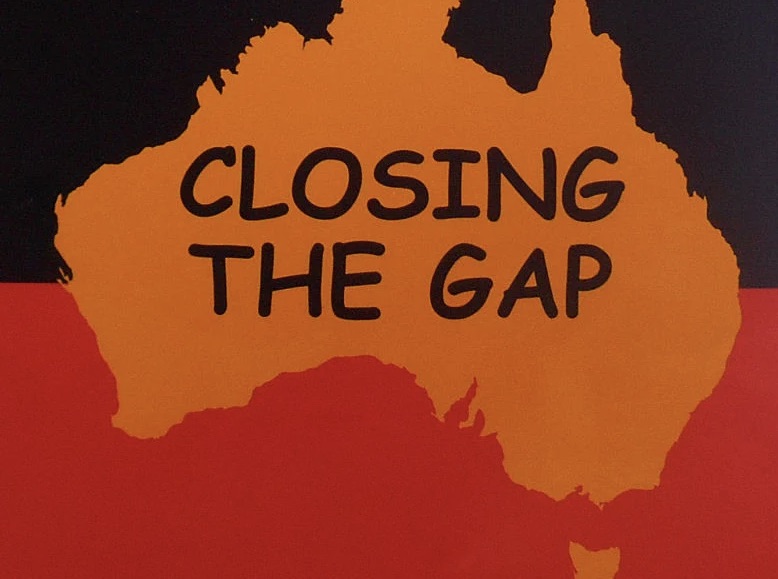
Another year, another disappointing Closing the Gap report.
Lots of talk and very little action.
Some minor improvements, but plenty of negatives – year on year, on year.
And, as many critics have highlighted, the annual report doesn’t show what in any detail is working and what isn’t. In real hard factual terms.
The National Agreement on Closing the Gap was signed by the Federal government and all States and Territories, and even the Australian Local Government Association.
Yet, there are different was for different States – totally inconsistent with the agreement.
Perhaps an independent regulatory body would be in a better position to give oversight and legal authority on that?
A national action plan is crucial – a plan that drives community-led solutions.
What some politicians have called a ‘bottom-up’ approach to Closing the Gap.
Can local government play a greater role?
Frontline services are often exclusive to local governments, so the answer to that question is a resounding ‘yes’.
In NSW Tamworth Regional Council has made steps in that direction, engaging in a meaningful way with local Indigenous organisations.
The ‘heavy lifting’ as the Guardian called it, is being left to under-resourced Aboriginal groups.
Groups given little financial or hands-on assistance to make a difference. A real difference, not just a percentage point on an annual report.
Inequality is still there in so many areas.
And after 17 years of the Closing the Gap policy, First Nations communities still face disadvantage.