$15m to accelerate protection of NSW wetlands
The Federal Government is to support the protection and restoration of one of Australia’s most significant inland wetlands, through the Clean Energy Finance Corporation.
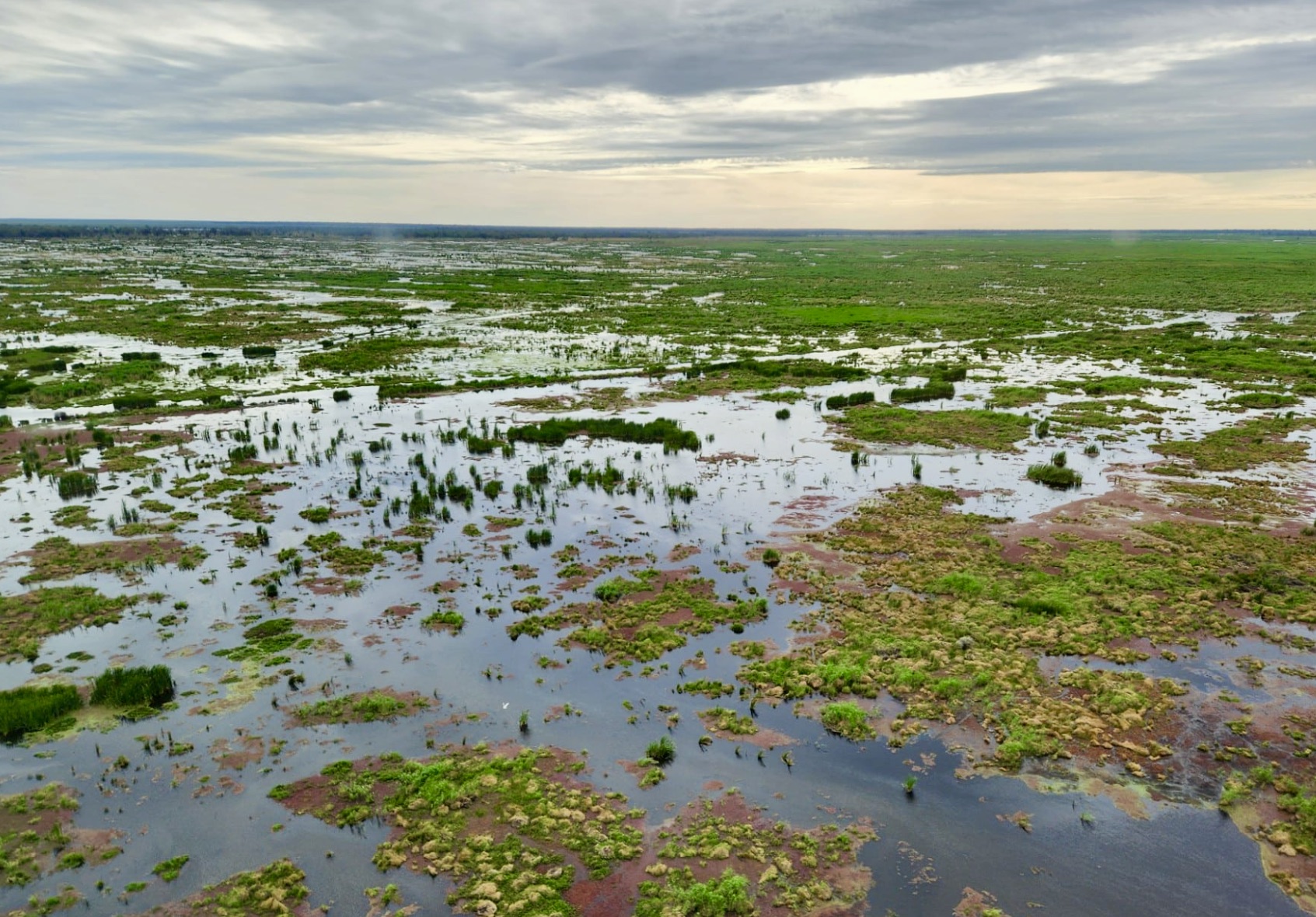
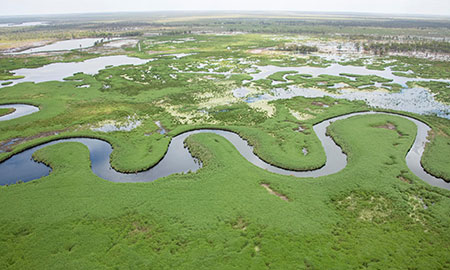
Spread across around 34,000 hectares at the junction of the Murrumbidgee and Lachlan Rivers in south west NSW, the Great Cumbung is one of the largest remaining reed and river gum wetlands of its kind in the Murray–Darling Basin. The wetland plays a critical role in storing carbon and regulating greenhouse gases, with further opportunities possible through ongoing restoration.
It’s also a critical link between the Lachlan and Murrumbidgee river systems, contains significant First Nations cultural values, and is a refuge for over 130 bird species including the endangered Australasian bittern and Australian painted snipe.
‘Critical to the health of the greater river system’
Minister for the Environment and Water, Murray Watt said Wetlands are the quiet heroes of the Murray–Darling Basin, reducing the impacts of floods, absorbing pollutants and improving water quality.
“They provide habitat for animals and plants and many contain a wide diversity of life, supporting plants and animals that are found nowhere else,” he said.
“This site is critical to the health of the greater river system, and the Albanese Government is committed to a strong future for the Basin, including through smart investments like this that supercharge our efforts in returning the rivers, floodplains and wetlands of the Basin to better health.”
The CEFC is committing $15 million through Bank Australia to back the new landowners, the Nari Nari Tribal Council (NNTC) in their restoration of the iconic wetland area, following their acquisition of Juanbung and Boyong Stations. The NNTC acquired the property from previous owners, The Nature Conservancy, earlier this year after an open and competitive bidding process.
“The Great Cumbung is one of Australia’s most significant freshwater wetlands and a place of great significance to First Nations people,” Minister for Indigenous Australians, Malarndirri McCarthy said.
“The Great Cumbung neighbours the Gayini Conservation Area, which is already owned and cared for by the Nari Nari Tribal Council and the Gayini River Rangers, funded through the Commonwealth Indigenous Rangers Program, so collectively this is a significant example of Indigenous-led stewardship of Country.”
The investment will help the NNTC to restore the wetland system and ensure ecological health, biodiversity protection, and landscape‑scale restoration outcomes, which will play a critical role in storing carbon and regulating greenhouse gases.
Restoration works will focus on removing floodplain barriers and regenerating native wetland and woodland systems, including river red gum, black box and mallee species, alongside selected grazing to enhance biodiversity.
Significant importance to First Nations people
Importantly, the commitment will also allow the NNTC to ensure that native forest within the area is retained and protected, further securing its long-term conservation value.
Assistant Minister for Climate Change and Energy, Josh Wilson said the Government’s work to tackle dangerous climate change was being undertaken through projects that have massive benefits in terms of environmental restoration through First Nations stewardship.
“Protecting wetlands is a high-value nature-based carbon storage method, and it’s vital because wetlands are especially vulnerable to the impact of climate change, while being especially critical to Australia’s distinctive biodiversity,” he said.
Information about the CEFC
The CEFC is the Australian Government-backed specialist climate investor, whose purpose is to facilitate increased flows of finance into the clean energy sector, helping to reduce greenhouse gas emissions.